
Turkey is a country that doesn’t sit between worlds—it contains them. Bridging Europe and Asia, it’s a place where empires rose and fell, where mosques and churches share skylines, and where coastlines, mountains, deserts, and fertile valleys all exist within a single journey. From the bazaars of Istanbul to the fairy chimneys of Cappadocia, the turquoise beaches of the Aegean to the ancient ruins of Ephesus, Turkey offers a rich blend of history, nature, cuisine, and living culture.
This is a country of contrasts that harmonize: secular and sacred, ancient and modern, vibrant and peaceful. It’s where people still gather for long tea conversations, where traditions like the hammam or meze are not performances, but part of everyday life. Whether you’re a history lover, foodie, beach seeker, or nature explorer, Turkey doesn’t just meet expectations—it reshapes them.
Turkey is well-connected globally with major international airports in Istanbul (IST and SAW), Ankara, Izmir, and Antalya. Most travelers arrive through Istanbul, which offers direct flights from nearly every continent.
Citizens of many countries—including the EU, UK, and Gulf states—can enter visa-free or with a quick e-visa. Others may need to apply in advance, so check requirements based on your nationality.
Turkey’s vast landscape is easy to navigate thanks to its developed transport system:
Domestic flights are fast, affordable, and ideal for crossing long distances.
Buses (especially with companies like Kamil Koç or Metro Turizm) are modern and widespread.
High-speed trains connect Istanbul, Ankara, Konya, and Eskişehir.
Car rentals are ideal for coastal or inland exploration, especially in places like Cappadocia or the Black Sea region.
Turkey uses the Turkish Lira (TRY). While exchange rates can fluctuate, the country generally offers excellent value for money.
Credit/debit cards are widely accepted, especially in urban and tourist areas.
Cash is preferred in local markets, taxis, and small towns.
Tipping is customary in restaurants (5–10%), and also for porters, hammams, and guides.
The official language is Turkish, though English is widely spoken in tourist areas, hotels, and restaurants.
In more rural areas, Turkish or a few phrases in basic Arabic or German may help.
Learning greetings like Merhaba (hello), Teşekkürler (thank you), or Lütfen (please) is appreciated and often rewarded with a smile.
Turkey has multiple climate zones:
Spring (April–June) and Autumn (September–October) are best for most of the country: warm, sunny, and ideal for cultural travel.
Summer (July–August) is hot—great for the coast, but very warm inland.
Winter (December–February) can be snowy in the east and central Anatolia, while cities like Istanbul stay relatively mild.
Beach season runs from May to October on the Mediterranean and Aegean coasts.
Turkish cuisine is world-famous and incredibly diverse. It’s built on regional flavors, fresh produce, rich spices, and long-standing traditions.
Must-try dishes: kebabs, meze, börek, menemen, kuru fasulye, lahmacun, and pide.
Street food is a highlight: simit, balık ekmek (fish sandwich), kokoreç, and mıdıye dolma (stuffed mussels).
Turkish breakfast (kahvaltı) is an experience in itself—breads, cheeses, olives, eggs, jams, and tea.
Drink culture includes çay (tea), Turkish coffee, raki, ayran, and now, a growing local wine and craft beer scene.
Turkey is very safe for travelers, with low levels of violent crime and a strong tourism infrastructure.
Dress modestly when visiting mosques or rural areas—especially for women.
Remove shoes before entering a home or mosque.
Hospitality is sacred—expect tea, conversation, and generosity even from strangers.
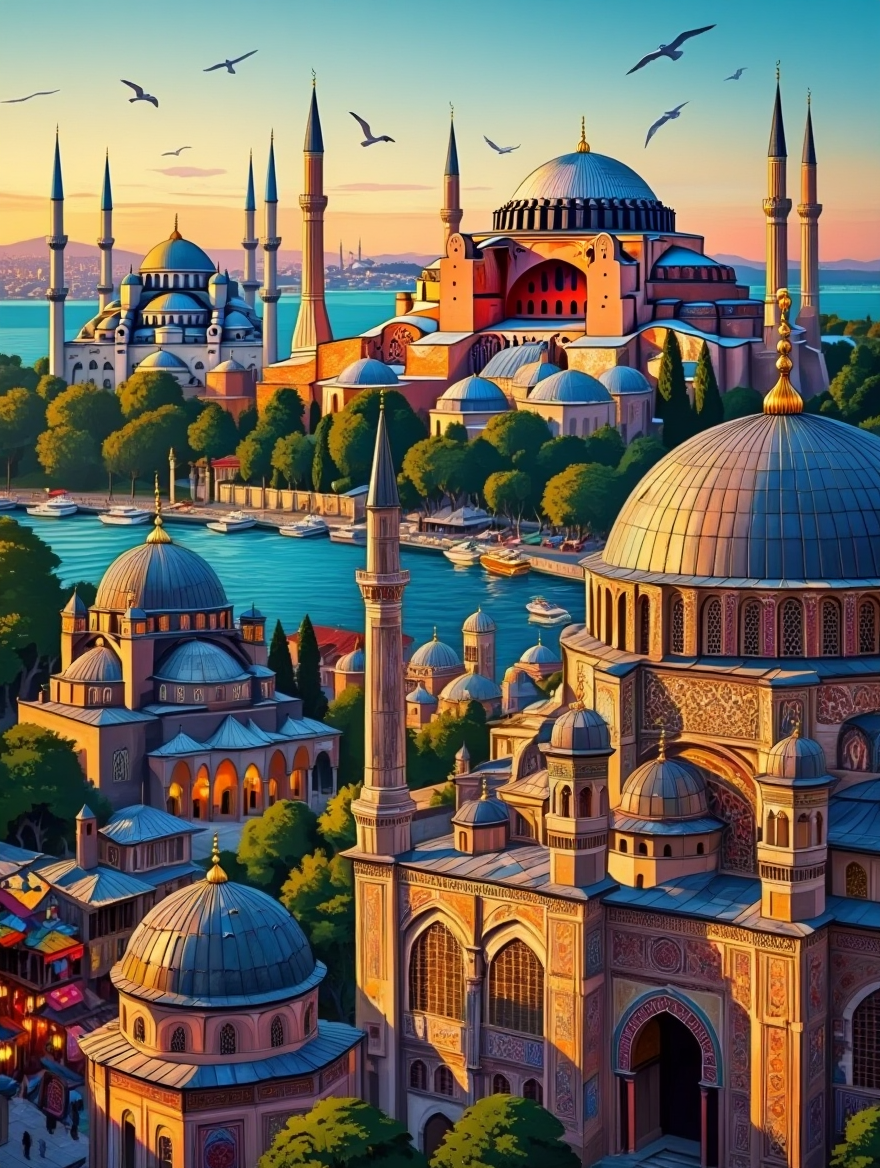
Start your journey where East meets West. Explore the Blue Mosque, Hagia Sophia, and Topkapi Palace. Wander through Grand Bazaar, cruise the Bosphorus, and end your day in a rooftop café with views of minarets and the sea.
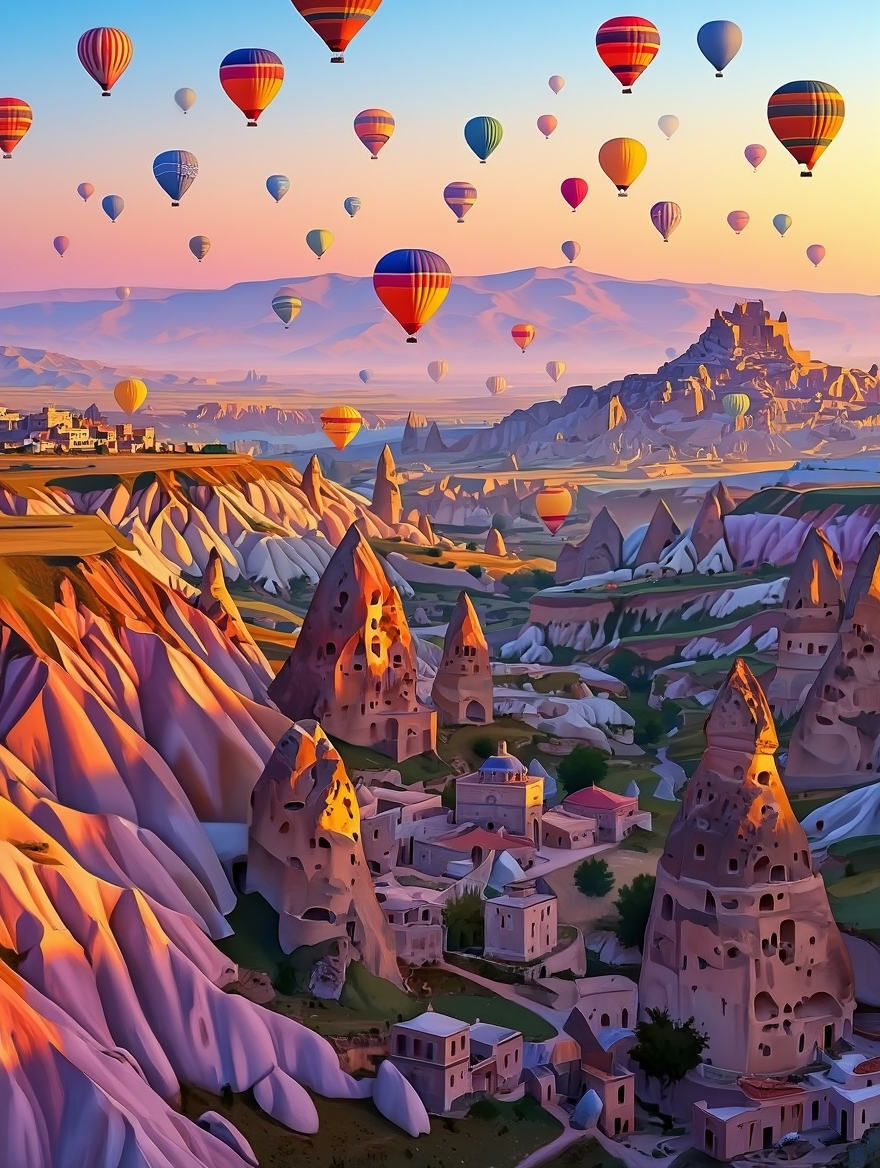
Cappadocia’s surreal landscape of valleys, caves, and chimneys is one of the most iconic in the world. Hike through Rose Valley, stay in a cave hotel, and float above it all at sunrise in a hot air balloon.
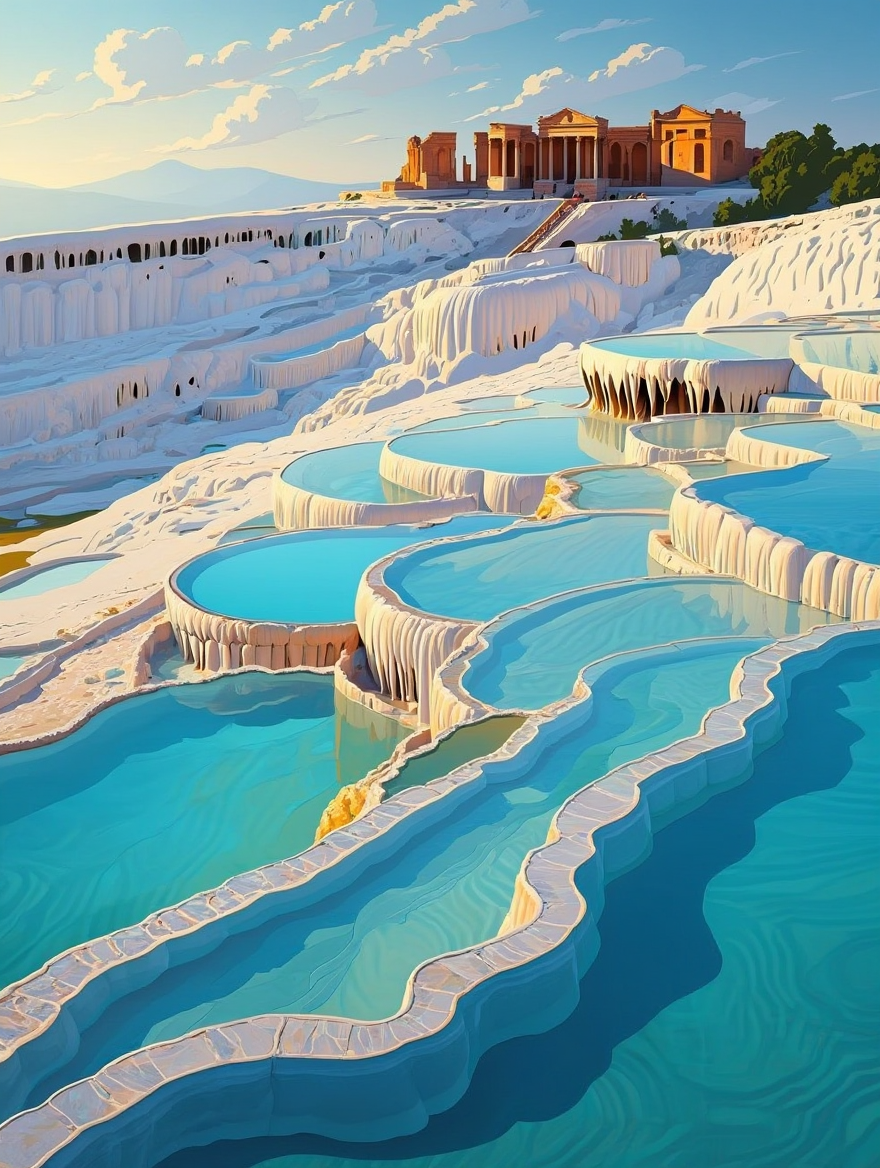
White travertine terraces flow down the hillside like frozen waterfalls. Bathe in ancient thermal waters and visit Hierapolis, a Roman spa city, just above the pools.
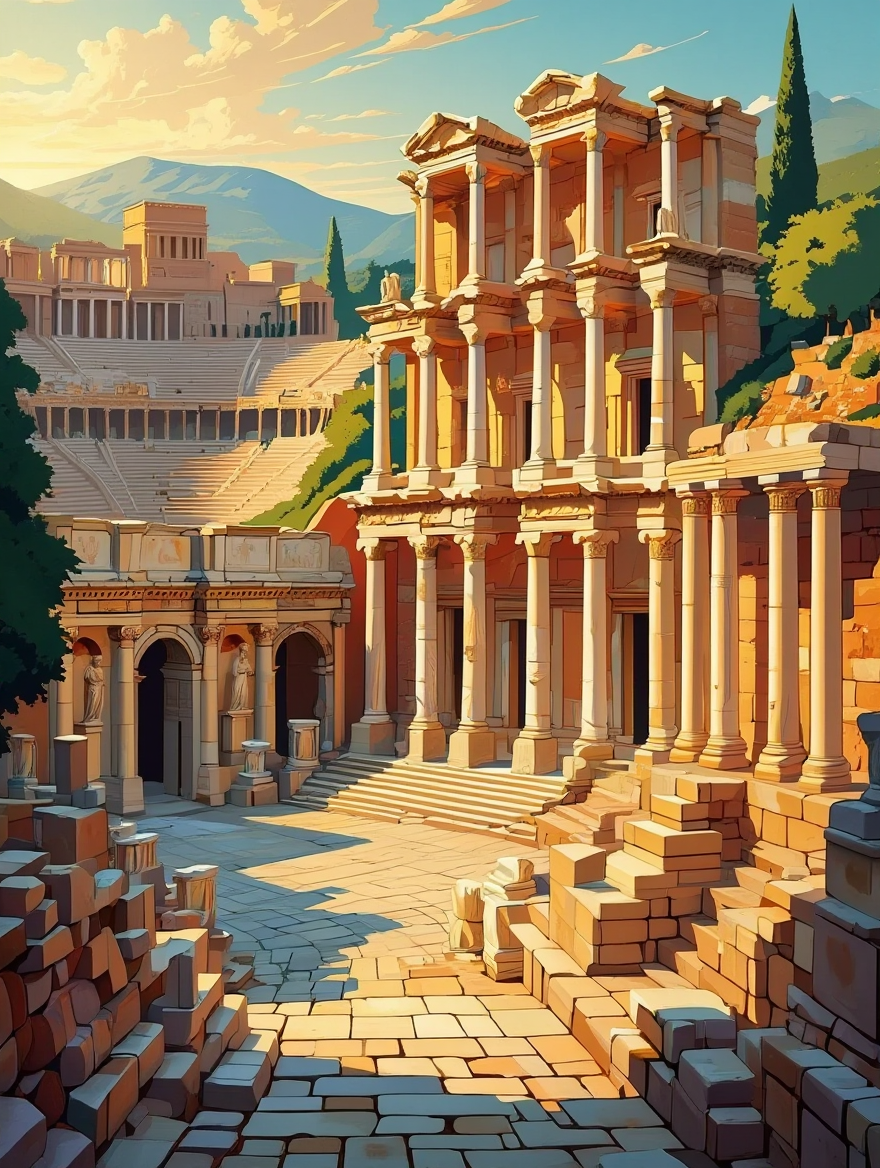
Walk the marble roads of this remarkably preserved Greco-Roman city. Highlights include the Library of Celsus, Temple of Artemis, and Great Theatre.
From Antalya to Kas to Fethiye, Turkey’s southern coast is dotted with hidden beaches, yacht cruises, and blue lagoons. Swim, sail, or just sunbathe.
One of Turkey’s most mystical places, this UNESCO World Heritage Site in eastern Anatolia is known for its massive stone heads and sunrise/sunset rituals at 2,134 meters.
Bursa, the first capital of the Ottoman Empire, is full of mosques, bazaars, and thermal baths. Edirne, near the Bulgarian border, is home to the majestic Selimiye Mosque by Mimar Sinan.
Is Turkey safe for tourists?
Yes. Turkey is safe for travelers, especially in tourist zones. Use normal precautions in large cities and busy transport areas.
Do I need a visa for Turkey?
Many nationalities can enter visa-free or apply for an e-visa online. Check https://www.evisa.gov.tr for eligibility.
What currency is used in Turkey?
Turkish Lira (TRY). Cards are widely accepted, but cash is useful in bazaars and small towns.
When is the best time to visit Turkey?
April–June and September–October offer ideal weather for travel and sightseeing. Summer is perfect for the coast.
Can I drink the tap water?
It’s safe in major cities but bottled water is widely used and recommended in rural areas.
What’s the dress code for mosques?
Modest dress. Women should cover shoulders, arms, and head. Men should avoid shorts.
Is English spoken in Turkey?
In tourist areas, yes. In rural regions, knowing some Turkish helps, but people are helpful and gestures go a long way.
How many days should I spend in Turkey?
For a highlights trip: 7–10 days. For a deeper experience including the coast, Cappadocia, and eastern regions: 2–3 weeks.


Subscribe to see secret deals prices drop the moment you sign up!