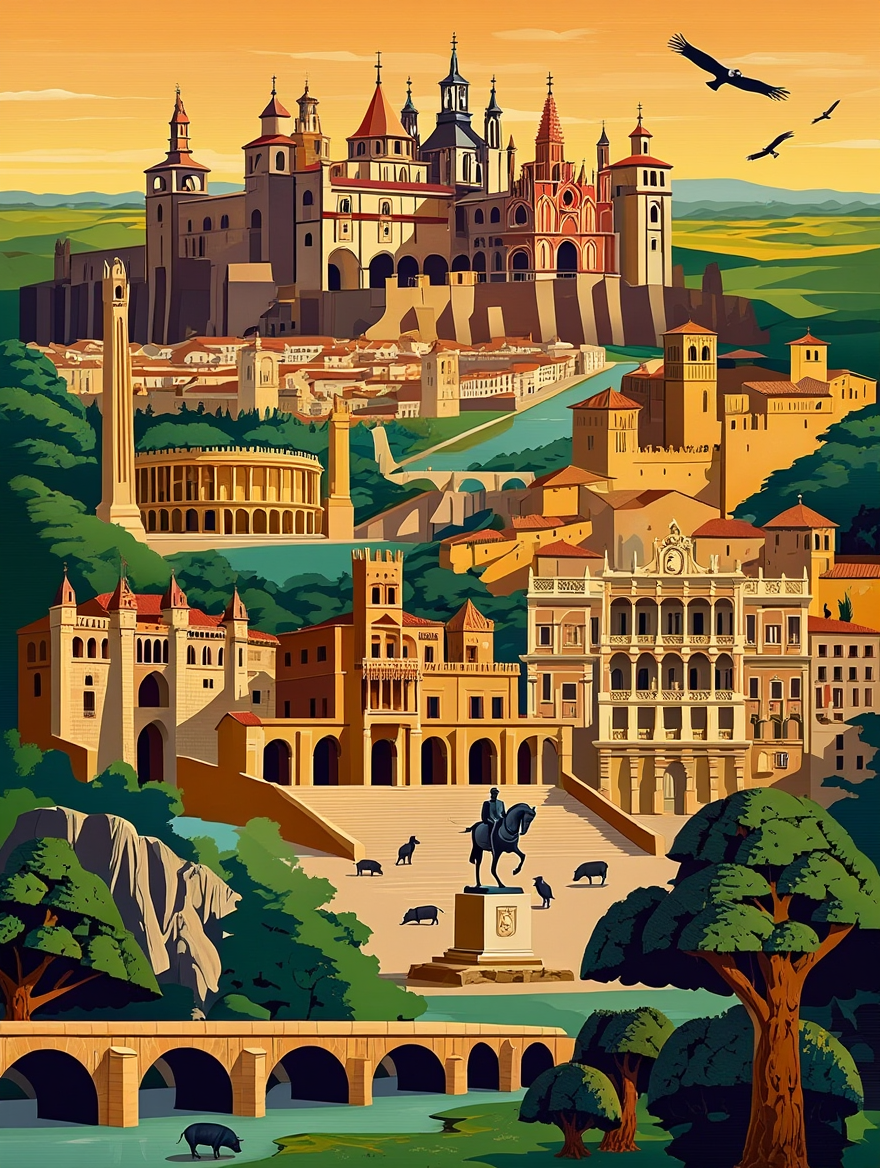
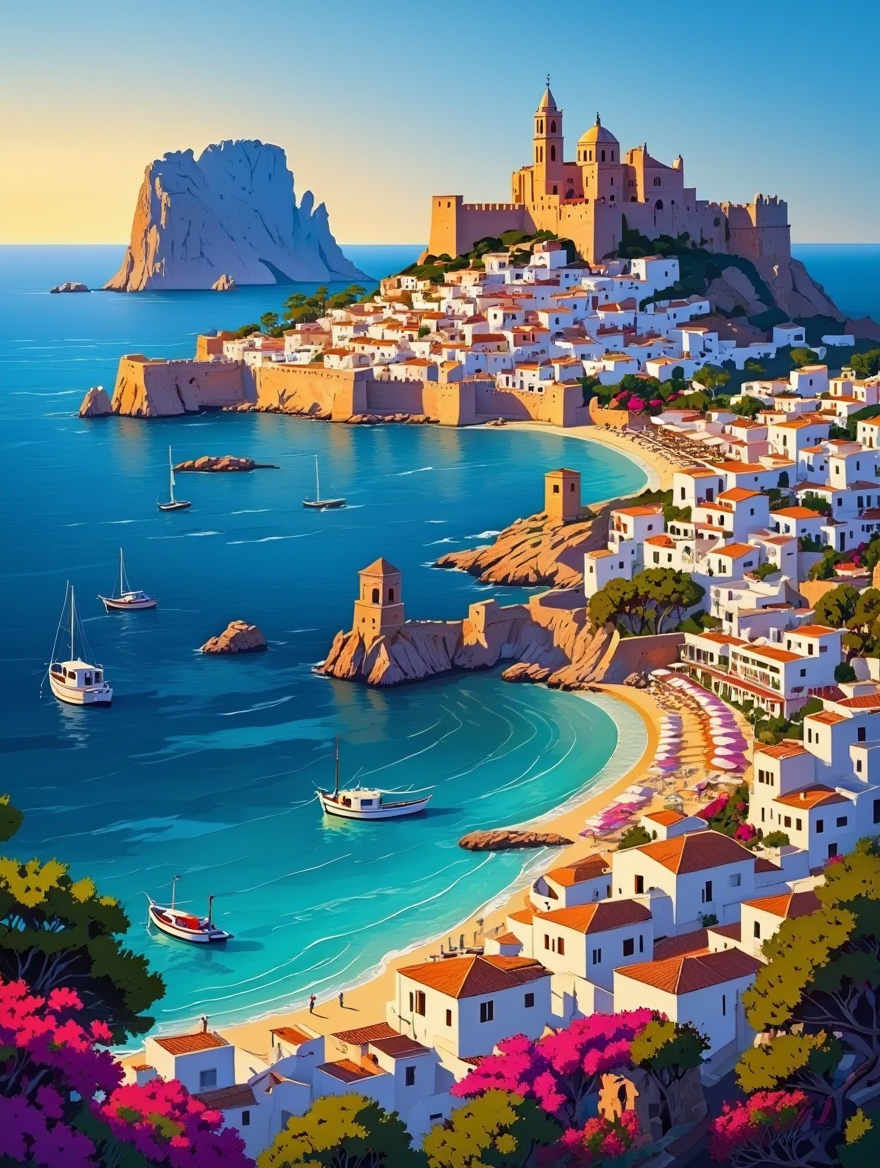
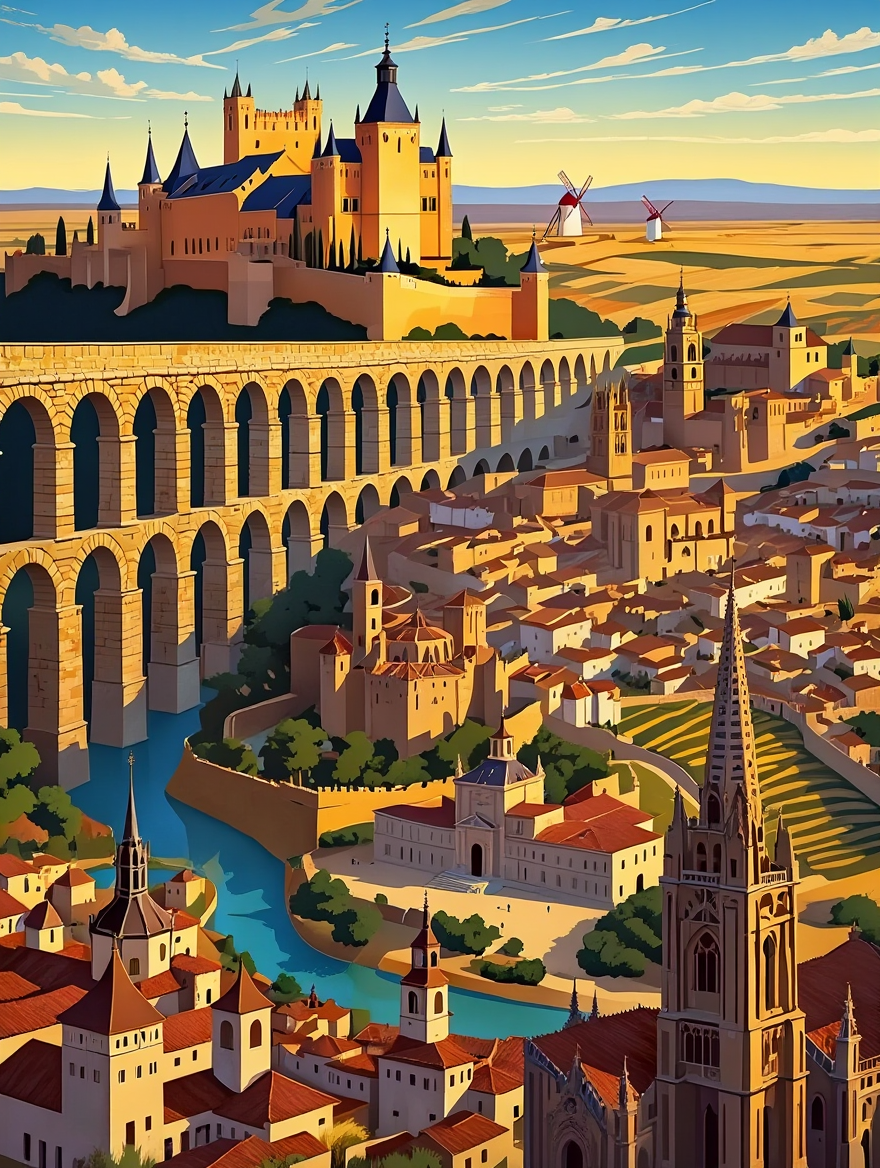
Spain is a country of passion, rhythm, and rich contrasts. From Moorish palaces and Roman ruins to Gothic cathedrals, flamenco rhythms, vineyard-covered valleys, and Mediterranean beaches, Spain is a symphony of culture and color. It’s where siestas slow the pace, tapas fill the table, and every city pulses with its own soul.
From the architectural wonders of Barcelona and the royal grandeur of Madrid, to the whitewashed villages of Andalusia, the ancient lanes of Toledo, and the windswept shores of the Basque Country, Spain offers more than just a destination—it offers a lifestyle. It’s a country that lives outdoors, speaks with its hands, and never forgets to celebrate.
Whether you’re exploring UNESCO-listed cities, hiking through Pyrenean trails, watching a sunset in Seville, or sipping Rioja in La Rioja, Spain invites you to slow down, dive deeper, and experience life with intensity and joy.
Spain Travel Guide: Everything You Need to Know
Getting to Spain
Spain is part of the Schengen Area, with excellent international air, rail, and road connections.
Main international airports: Madrid-Barajas (MAD), Barcelona-El Prat (BCN), Málaga (AGP), Valencia (VLC), and Bilbao (BIO).
High-speed trains (AVE) connect major cities like Madrid, Seville, Valencia, and Barcelona.
Ferries connect Spain with Morocco, the Balearic Islands, and Italy.
Getting Around
Spain’s transport system is fast, modern, and traveler-friendly.
Renfe trains: Great for long-distance and regional travel.
Metro & buses: Efficient in cities like Madrid, Barcelona, and Valencia.
Domestic flights: Ideal for covering longer distances, especially to the Canary or Balearic Islands.
Car rentals: Perfect for exploring regions like Andalusia, Galicia, or the Basque Country.
Currency & Budget
Currency: Euro (EUR).
Tipping: Optional but appreciated (rounding up or 5–10% in restaurants).
Typical prices:
Tapas dish: €2–5
Coffee: €1.50–2.50
Hotel/night: €60–200+ depending on region and season
Language & Communication
Official language: Spanish (Castilian)
Regional languages: Catalan, Basque, Galician
English is widely spoken in tourist areas, less so in rural regions.
When to Visit
Spring (April–June) and Autumn (September–October) are ideal for sightseeing and festivals.
Summer (July–August) is hot, perfect for beaches but crowded inland.
Winter (December–February) is mild in the south and great for ski trips in the Pyrenees or Sierra Nevada.
Top Things to Do in Spain
Walk Through History in Granada & Seville
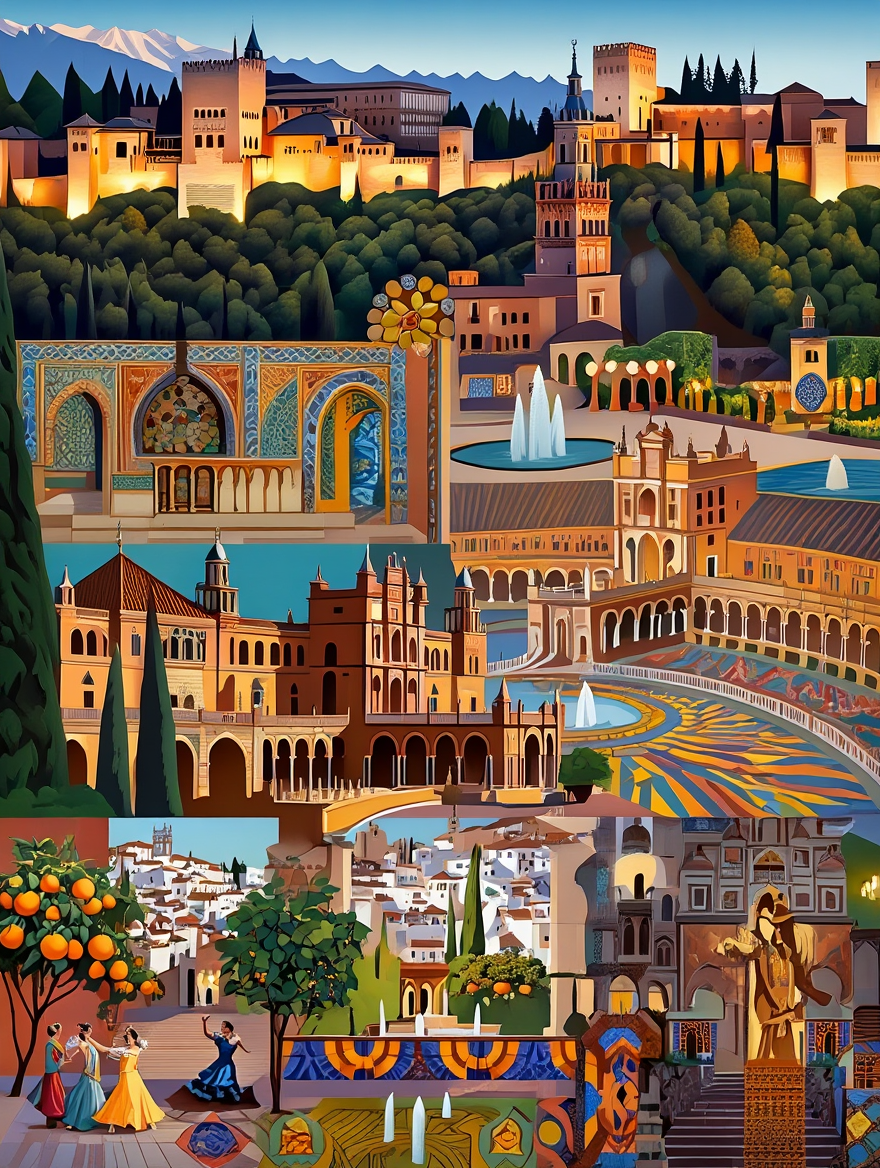
In Granada, marvel at the Alhambra, a masterpiece of Islamic architecture. In Seville, feel the soul of flamenco, visit the grand Seville Cathedral, and climb La Giralda for sunset views.
Get Lost in the Streets of Barcelona
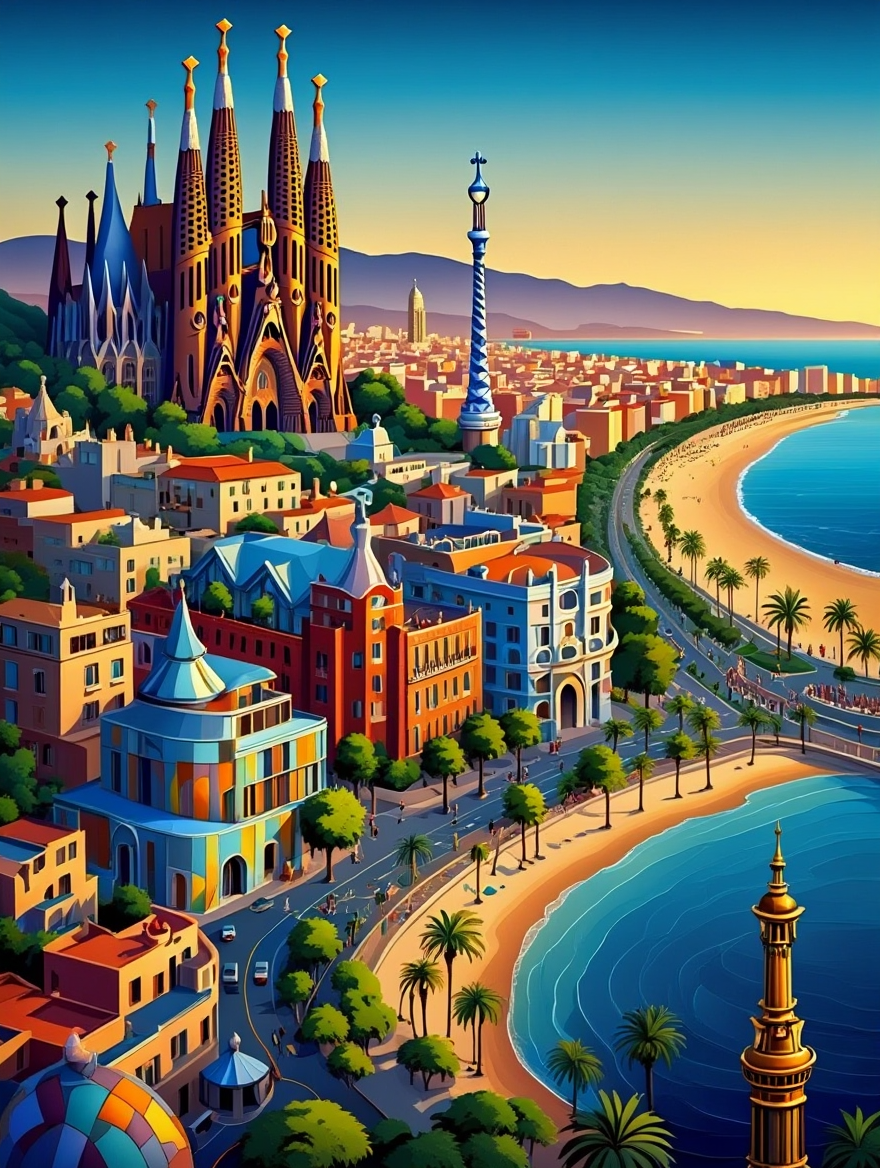
Discover Gaudí’s surreal world—from the Sagrada Família to Parc Güell. Stroll down La Rambla, shop in the Gothic Quarter, and unwind at the beach after a day of exploring.
Celebrate the Arts in Madrid
Visit the Golden Triangle of Art—Prado, Reina Sofía, and Thyssen-Bornemisza museums. Walk the elegant boulevards, picnic in Retiro Park, and enjoy world-class cuisine.
Taste Your Way Through Spain
From Basque pintxos to Valencian paella, Galician octopus to Andalusian gazpacho, Spain is a culinary journey. Pair it with Cava, Sherry, or a bold Tempranillo wine.
Hike the Camino de Santiago or Picos de Europa
Walk part of the Camino de Santiago for a blend of nature and spirituality. Or hike the Picos de Europa for dramatic mountain views and alpine villages.
Unwind in the Islands
Mallorca & Ibiza: Beaches, coves, and nightlife.
Tenerife & Gran Canaria: Volcanic landscapes, hiking, and year-round sun. Each island has its own rhythm—some slow, some wild.
Spain Travel FAQ
Is Spain safe for tourists? Yes, Spain is very safe. Pickpocketing can happen in crowded areas, especially in cities—stay alert in metros and markets.
Do I need a visa to enter Spain? Spain is in the Schengen Zone. Citizens of the EU, UK, USA, Canada, Australia, and many others can stay visa-free for 90 days.
Is tap water safe to drink in Spain? Yes, tap water is safe across the country, though some regions have a strong mineral taste.
What is Spain’s time zone? CET (GMT+1) and CEST (GMT+2) during daylight savings.
Is it customary to tip? Tipping is not mandatory, but rounding up or leaving 5–10% is appreciated.
How many days should I spend in Spain? To explore just one region (e.g., Andalusia, Catalonia, or the Basque Country), 7–10 days is ideal. For a deeper experience covering multiple areas, 2–3 weeks is perfect.
Is Spain expensive? Spain is more affordable than much of Western Europe. Major cities and tourist areas are pricier, but smaller towns and inland regions offer excellent value.
The Viewpoint Horizons hidden-gem guide to a country where Cold-War submarines, primeval rain-forest and shepherd-cheese shacks all squeeze into a land smaller than Connecticut.
The Viewpoint Horizons hidden-gem guide to a country where dragons nap beneath salt mines, milk bars serve socialism with sour cream, and street murals argue with Chopin.
Get special offers, and more from Traveler
Subscribe to see secret deals prices drop the moment you sign up!