
Poland is a country of deep roots and constant renewal. Set in the heart of Central Europe, it’s a place where medieval castles meet modern skylines, where war-torn history gives way to bold cultural revival, and where tradition lives comfortably alongside innovation. From the cobbled streets of Kraków to the vibrant pulse of Warsaw, the quiet lakes of Masuria to the rugged peaks of the Tatra Mountains, Poland is a destination that surprises, moves, and rewards.
It’s a country defined by resilience—and its beauty lies in its balance: of cities and countryside, sorrow and celebration, past and progress. Travelers will find not only a rich tapestry of sights and experiences, but also a sense of honesty, modest charm, and deeply felt hospitality that makes every visit feel personal.
Poland is easily accessible, with major international airports in Warsaw, Kraków, Gdańsk, Katowice, Wrocław, and Poznań, all served by budget and legacy carriers. It’s also well-connected by train and bus to neighboring countries like Germany, Czech Republic, Slovakia, Lithuania, and Ukraine.
Poland is part of the Schengen Zone, so travelers from the EU, UK, US, Canada, Australia, and many others can enter visa-free for up to 90 days within a 180-day period.
Poland’s transportation system is modern, efficient, and affordable.
Trains connect major cities and tourist regions. High-speed rail (Pendolino) makes travel fast and comfortable.
Regional buses and low-cost carriers like Flixbus serve smaller towns and cross-border routes.
Public transport in cities is excellent—trams, buses, and metro (in Warsaw) are inexpensive and reliable.
Car rentals are ideal for countryside exploration, especially in regions like Podlasie or Bieszczady.
Poland uses the Polish Złoty (PLN). Though in the EU, it has not adopted the Euro.
Cards are widely accepted—even at food trucks or taxis.
ATMs are everywhere, and contactless payments are the norm.
Tipping is customary in restaurants (5–10%), and appreciated for good service.
The official language is Polish, but English is widely spoken in cities, hotels, restaurants, and tourist attractions—especially among younger people.
In rural areas, some Russian or German may be more common.
Learning a few basic phrases in Polish (like dziękuję for “thank you”) is always appreciated.
Poland has a continental climate with four distinct seasons:
Spring (April–June): Blooming parks, mild temperatures, and fewer crowds.
Summer (July–August): Warmest season—perfect for lakes, beaches, and festivals.
Autumn (September–October): Stunning fall foliage and ideal weather for city walks or hikes.
Winter (December–March): Snowy landscapes, Christmas markets, skiing in the mountains.
Polish cuisine is hearty, seasonal, and deeply comforting. Influenced by Slavic, Jewish, Austrian, and German traditions, it offers rich flavors and generous portions.
Must-try dishes: pierogi (stuffed dumplings), żurek (sour rye soup), bigos (hunter’s stew), kotlet schabowy (breaded pork chop), and placki ziemniaczane (potato pancakes).
Don’t miss: fresh rye bread, pickled vegetables, smoked cheese, and cakes like sernik or makowiec.
Drinks: Polish vodka is world-famous, but also try mead, compote, kvass, or craft beer from Poland’s booming microbrewery scene.
Poland is very safe with low crime and excellent public services.
Poles are polite, punctual, and proud—and deeply attached to tradition and family.
It’s polite to remove shoes indoors, stand when greeting elders, and avoid loud public behavior.
Most businesses are closed or limited on Sundays and religious holidays.
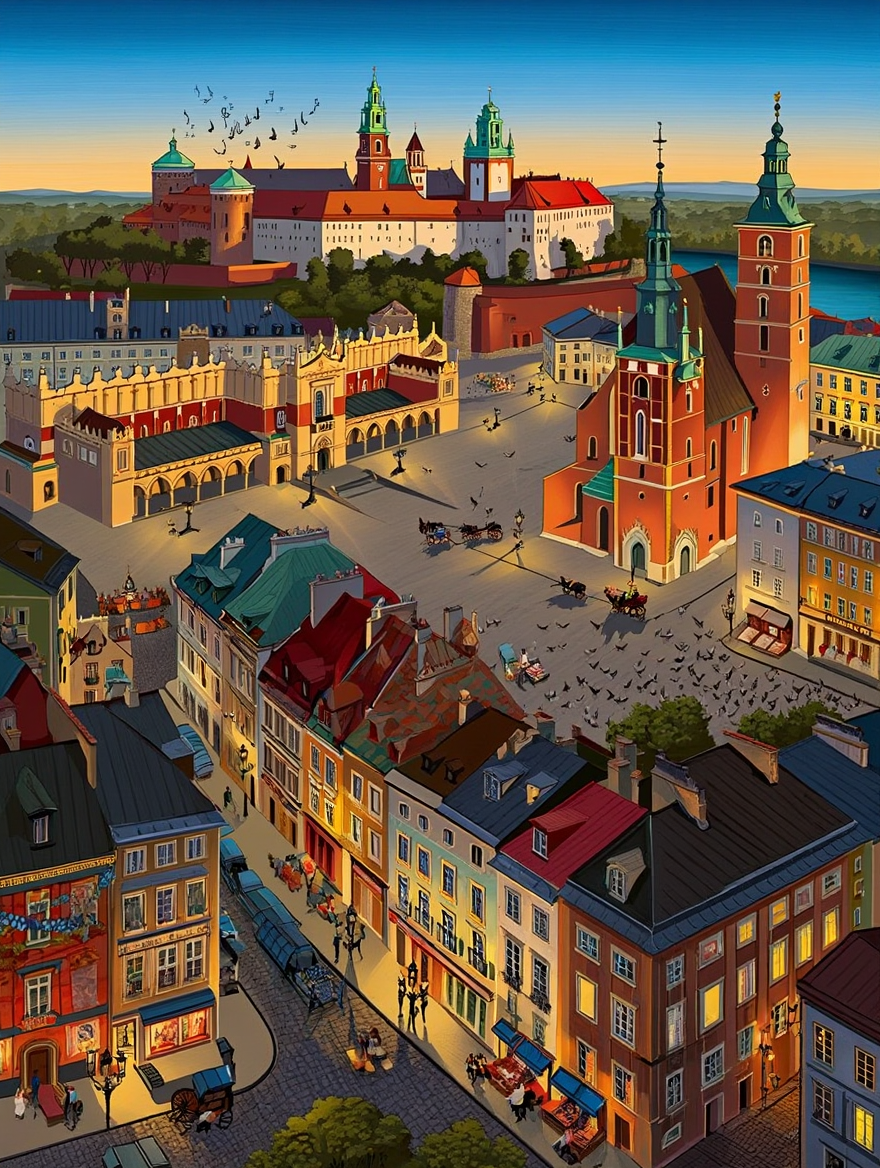
Kraków is a fairy-tale city of Gothic towers, Renaissance palaces, and underground legends. Visit Wawel Castle, St. Mary’s Basilica, and the medieval Market Square—the largest in Europe. The nearby Kazimierz district blends Jewish heritage, cafés, and art spaces.
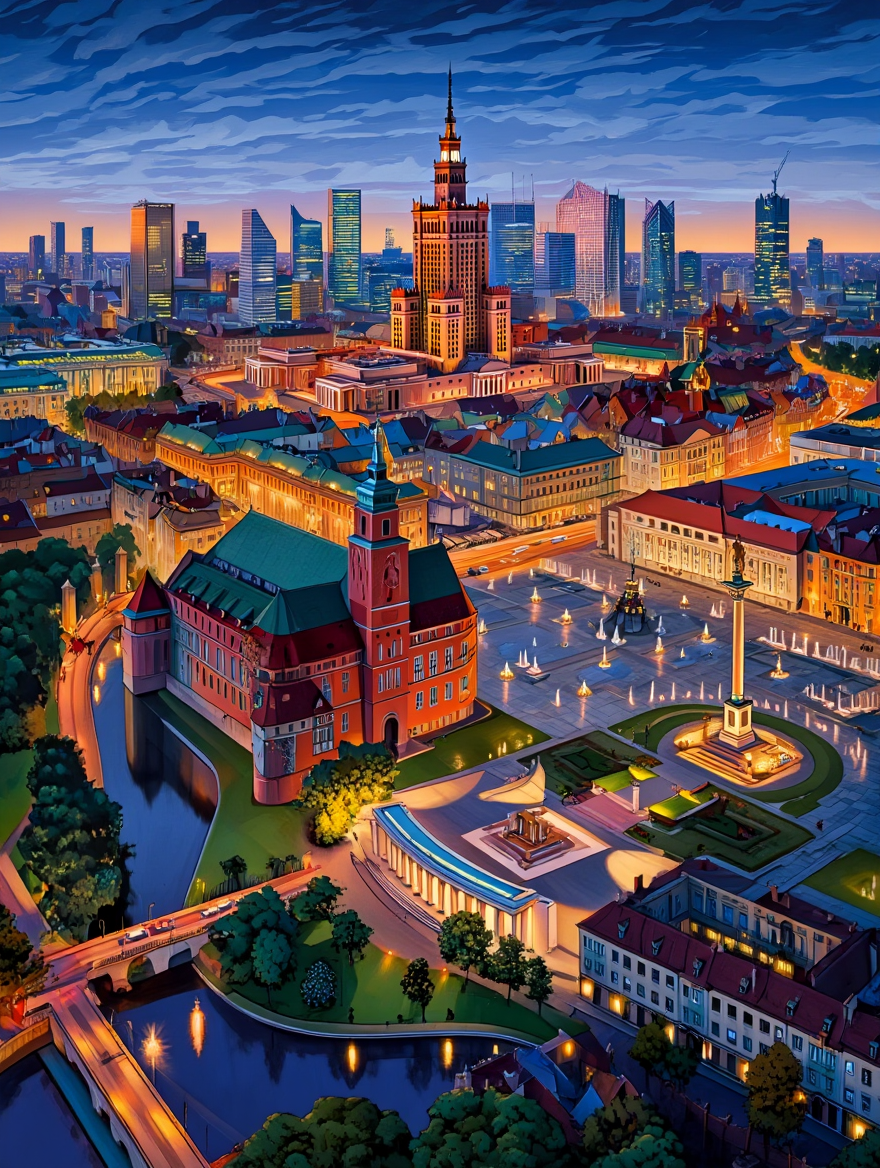
Warsaw, Poland’s capital, is a city rebuilt from ruins. The Old Town, now a UNESCO site, was entirely reconstructed after WWII. Beyond the history lies a modern city full of parks, skyscrapers, riverside walks, and bold architecture like the POLIN Museum and Warsaw Rising Museum.
Auschwitz is one of the most profound and emotional sites in the world. Located near Oświęcim, it’s a necessary visit to understand the depth of Poland’s 20th-century history—and the resilience of its people.
Poland’s Masurian Lakes are perfect for sailing, kayaking, and forest escapes. Białowieża Forest, a UNESCO World Heritage Site, is one of Europe’s last primeval woodlands—home to wild bison and untouched biodiversity.
The Tatra Mountains, centered around the town of Zakopane, offer alpine hiking, skiing, and mountain culture. Wooden chalets, sheep’s cheese, and folk art make the region one of Poland’s most picturesque.
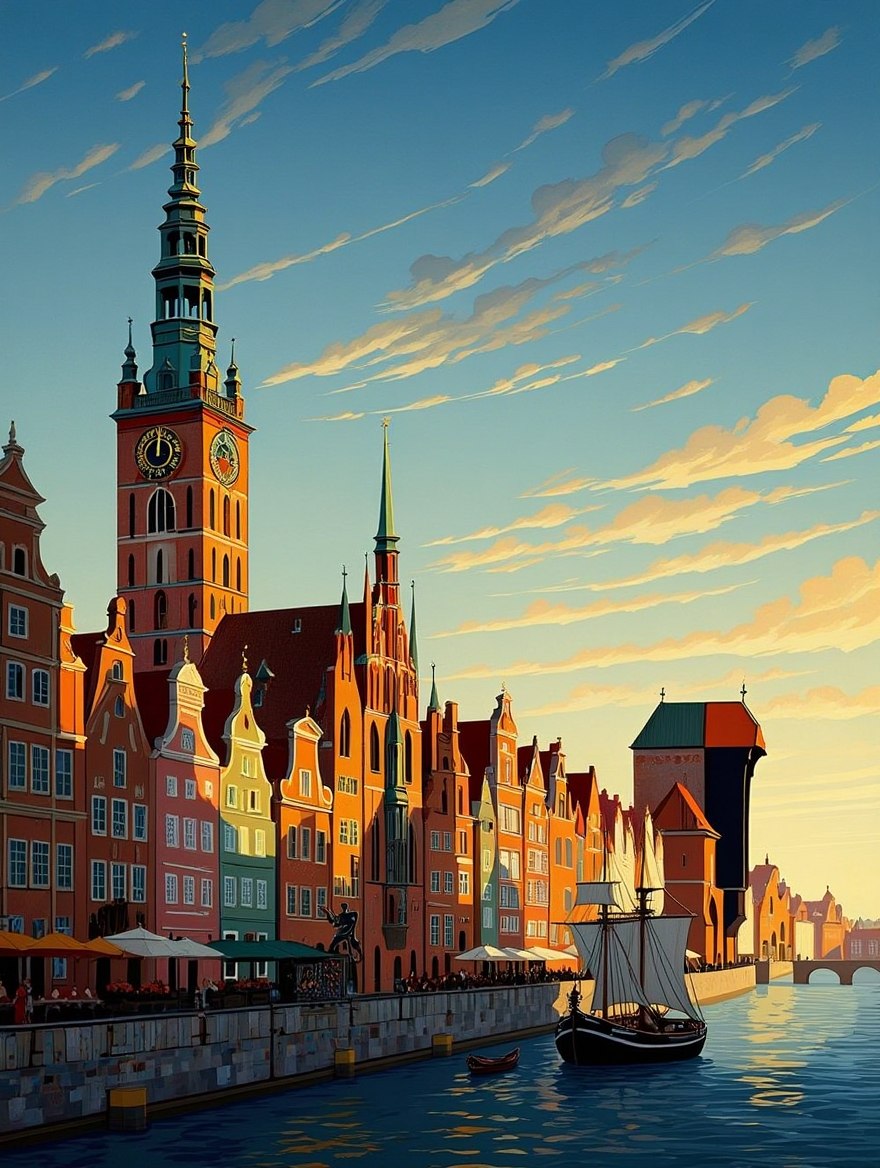
This historic port city blends Gothic spires and maritime trade heritage with colorful façades and amber shops. Nearby Sopot and Gdynia complete the Tri-City area—ideal for summer beach breaks.
From the Kraków Christmas Market to summer folk festivals, Poland is full of local celebrations rooted in seasonal traditions. Music lovers will find everything from Chopin concerts to jazz, techno, and outdoor folk orchestras.
Is Poland safe for tourists?
Yes, Poland is very safe and traveler-friendly. Petty theft is rare. Public transport is secure and efficient.
Do I need a visa to visit Poland?
If you’re from the EU, UK, US, Canada, Australia, or most OECD countries, you can enter visa-free for up to 90 days.
What currency does Poland use?
Polish Złoty (PLN). Euros are not accepted, but card payments are common.
Is English widely spoken?
In cities, yes. In rural areas, less so—but communication is usually manageable.
When is the best time to visit Poland?
Late spring (May–June) and early autumn (September–October) offer perfect weather and fewer crowds. Summer is lively, winter is festive.
Is tap water safe to drink?
Yes, especially in major cities. Bottled water is widely available as well.
Can I use public transportation easily?
Absolutely. Buses, trams, and metros are cheap, reliable, and user-friendly.
Is Poland expensive?
No. Poland offers excellent value. Food, transport, and lodging are generally cheaper than in Western Europe.

Subscribe to see secret deals prices drop the moment you sign up!