
Kazakhstan is a land of vast skies and deeper silences—a country where steppe meets mountain, modernity meets myth, and history stretches further than the eye can see. It is the largest landlocked nation on Earth, yet it is full of motion: herds sweeping across the plains, trains winding through deserts, and winds shaping centuries of stories. For the traveler, Kazakhstan offers space—both physical and spiritual. It is a place that opens you outward and inward.
Kazakhstan does not chase your attention—it earns it. It asks you to slow down, to breathe deeply, to look far across the plains and consider what’s behind the horizon. In a world of fast travel, Kazakhstan rewards stillness, depth, and discovery.With Viewpoint Horizons, you are invited to journey through a country not yet overtaken by mass tourism—a place where space, history, and humanity still shape the traveler’s experience in profound and unexpected ways.
Here, golden grasslands roll into the horizon, and snowy peaks pierce sapphire skies. The Silk Road once coursed through its oases and caravanserais, while nomads roamed from valley to valley with their yurts and legends. Today, Kazakhstan is redefining itself with confidence: its cities, particularly Astana and Almaty, pulse with ambition, culture, and high design. Yet its wild places remain untouched—raw, immersive, and haunting in their beauty.
This is not a country that overwhelms you with spectacle. Instead, it unfolds gently, asking for time and attention. With Viewpoint Horizons as your companion, Kazakhstan reveals its soul through landscape, hospitality, and a quiet resilience that echoes across its windswept plains.
Kazakhstan’s primary international gateways are Almaty International Airport (ALA) in the southeast and Astana International Airport (NQZ) in the capital. Direct flights connect Kazakhstan to major cities in Europe (e.g., Frankfurt, Istanbul), the Middle East (e.g., Dubai, Doha), and Asia (e.g., Beijing, Seoul). Air Astana, the national carrier, offers an extensive domestic and regional network. Travelers can also enter overland from Kyrgyzstan, Uzbekistan, Russia, or China.
Given its immense size, the best way to travel long distances is by plane or train. The national rail network is extensive, reliable, and scenic—especially the routes between Almaty, Turkestan, and Astana. Domestic flights are quick and cost-effective. In cities, taxis and Yandex Go (Kazakhstan’s equivalent of Uber) are convenient and affordable. Renting a 4×4 vehicle is ideal for exploring remote national parks and desert landscapes.
Kazakhstan’s climate is continental and extreme. The best seasons are spring (April to June) and autumn (September to early November), when temperatures are mild and the landscapes vibrant. Summer (July–August) can be intensely hot, especially in the steppe and desert regions, while winter (December–February) brings snow and sub-zero temperatures—beautiful but harsh unless you’re prepared. Late spring and early autumn offer the perfect balance for adventure and cultural travel.
The official currency is the Kazakhstani tenge (KZT). Credit cards are widely accepted in urban centers, but cash is essential for rural areas and markets. ATMs are available in most cities, and currency exchange services are easy to find at banks, airports, and large hotels.
Kazakh is the state language, and Russian is widely used in everyday life, particularly in cities. English is spoken in international hotels and among younger, urban Kazakhs, but it is less common in rural regions. Learning a few phrases in Kazakh or Russian is appreciated and enriches the travel experience.
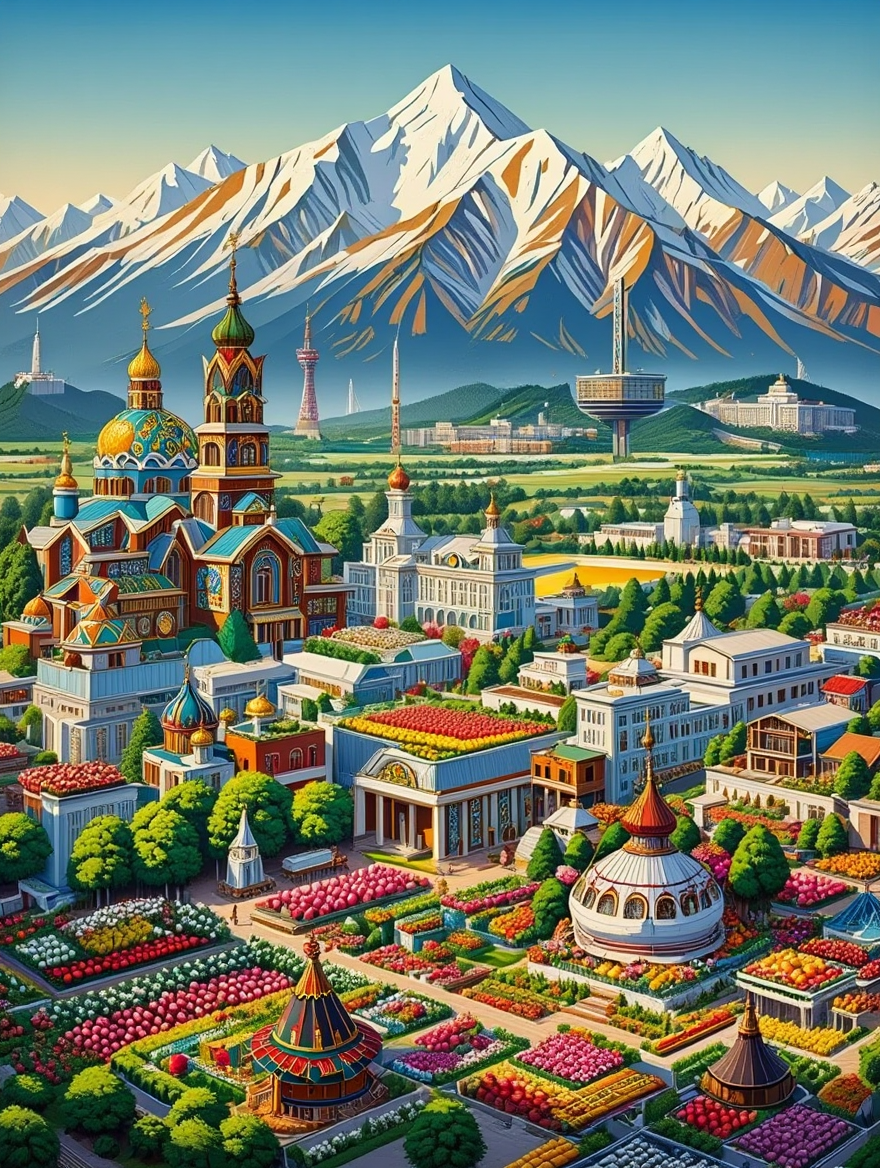
Almaty, once the capital and still the cultural heart of Kazakhstan, is framed by the majestic Trans-Ili Alatau mountains, offering a unique blend of cosmopolitan energy and alpine serenity. Wide boulevards, leafy parks, and Soviet-era architecture blend with chic cafés, museums, and high-end boutiques. Ride the cable car to Kok-Tobe Hill for panoramic views, visit the Green Bazaar to taste local produce, and explore the ornate Zenkov Cathedral built entirely from wood. Just outside the city, the Medeu ice skating rink and Shymbulak ski resort offer world-class sports and mountain air.
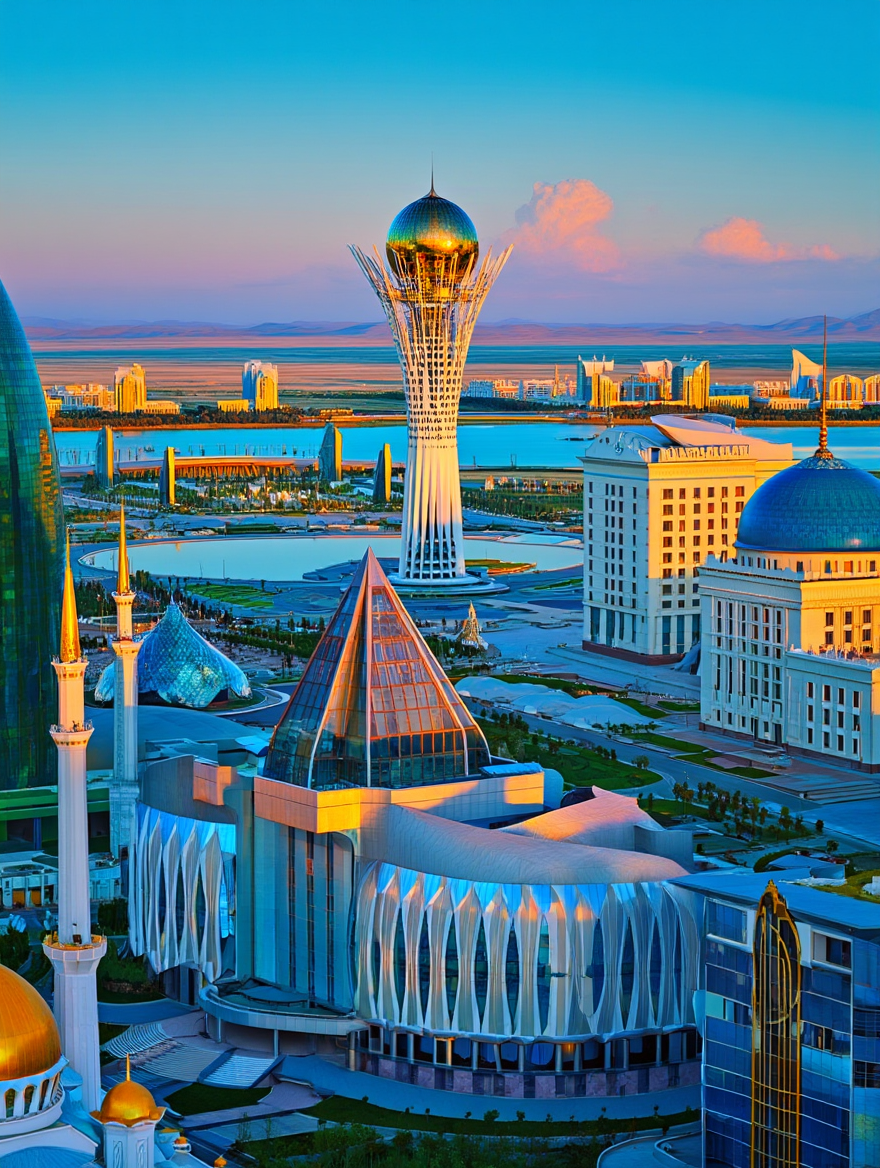
Astana (formerly Nur-Sultan) is a vision of modern Kazakhstan—sleek, daring, and architecturally ambitious. Rising from the open plains, the city feels futuristic, with buildings like the Bayterek Tower, the Khan Shatyr (a tent-shaped mall), and the striking Hazrat Sultan Mosque. Designed by global starchitects, the capital is a statement of identity: forward-looking, bold, and rooted in tradition. Museums like the National Museum of Kazakhstan offer rich insight into the country’s nomadic past and emerging narrative.
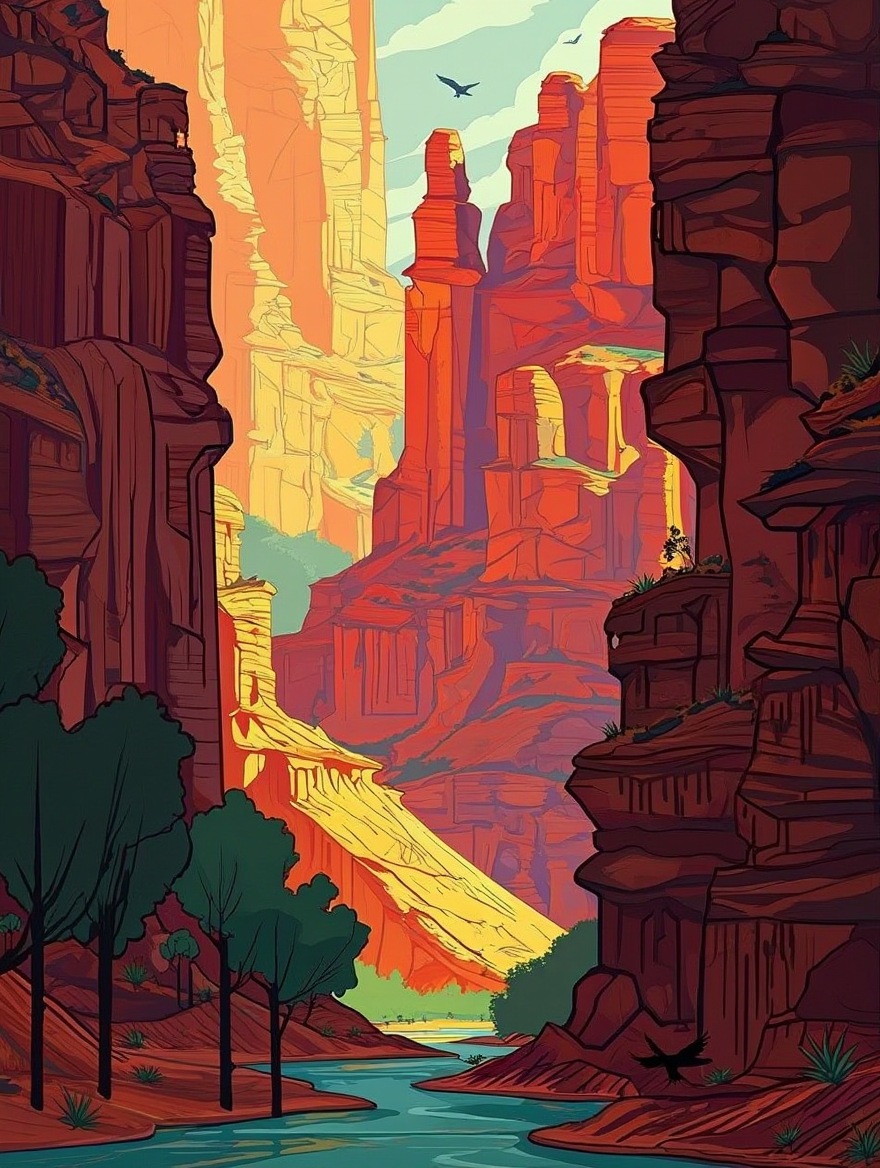
Located east of Almaty, Charyn Canyon is a geological wonder—carved by time, wind, and water into fantastical towers and ridges. The Valley of Castles, its most iconic stretch, glows in reds and ochres at sunrise and sunset. Hike along canyon floors, camp under stars, and feel the silence of the steppe wrapping around you like a myth. It is raw, humbling, and wildly photogenic.
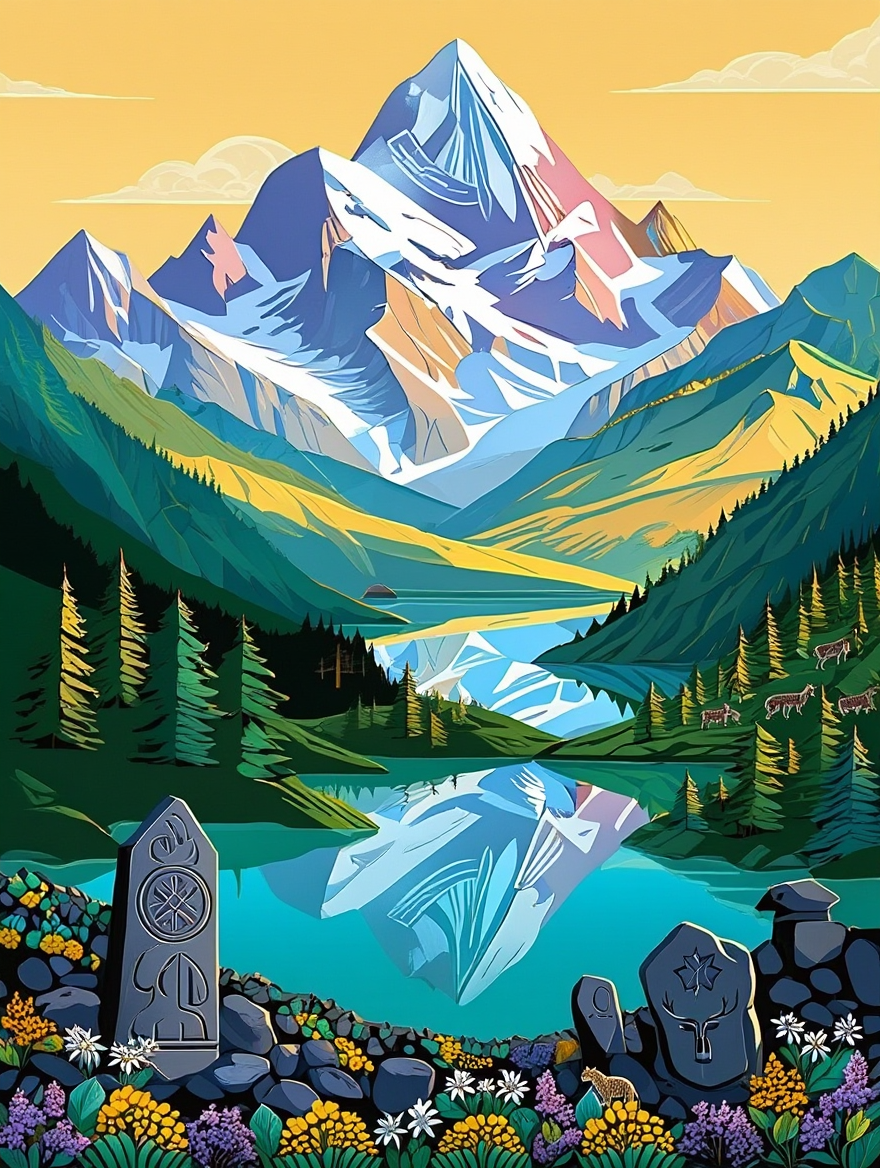
In the far northeast, bordering Russia, Mongolia, and China, the Altai Mountains are among Kazakhstan’s most remote and breathtaking landscapes. Home to snow leopards, golden eagles, and glacial lakes like Lake Markakol, this region offers pristine hiking, traditional yurt stays, and an immersion into Kazakh and Siberian shamanic culture. Travel here is challenging—but deeply rewarding for those who seek solitude and purity.
Kazakhstan’s southern regions were key links in the Silk Road, and their cities preserve the spiritual and architectural legacy of that era. Turkestan is home to the Mausoleum of Khoja Ahmed Yasawi, a masterpiece of Timurid architecture and an important pilgrimage site. Nearby Taraz is one of Central Asia’s oldest cities, with ancient tombs and archaeological treasures. Shymkent offers a vibrant bazaar culture and access to surrounding mountains and history.
In Altyn-Emel, a desert national park northeast of Almaty, nature speaks—literally. The Singing Dunes, formed from quartz sand, emit a low humming sound as wind or footsteps disturb them. This surreal acoustic phenomenon, combined with views of red mountains, salt flats, and ancient petroglyphs, makes Altyn-Emel one of Kazakhstan’s most otherworldly experiences.
In Kazakhstan’s southwest, the Baikonur Cosmodrome is the oldest and largest space launch facility in the world. This is where Yuri Gagarin was launched into orbit, and where international missions still lift off today. With special permission and planning, travelers can witness launches and explore Soviet-era engineering marvels—a rare fusion of science, history, and spectacle.
Is Kazakhstan safe for tourists?
Yes. Kazakhstan is generally very safe, with low crime rates and stable infrastructure. Exercise standard caution in cities and respect local laws and customs.
Do I need a visa to visit Kazakhstan?
Citizens of many countries (EU, UK, US, Japan, South Korea) can enter Kazakhstan visa-free for up to 30 days. For longer stays or other nationalities, check with your nearest Kazakh consulate or the e-visa portal.
Is English widely spoken in Kazakhstan?
Not widely, outside of major hotels and city centers. Russian and Kazakh are dominant. A translation app or phrasebook is highly recommended, especially in rural areas.
Can I drink tap water in Kazakhstan?
It’s best to drink bottled or filtered water, especially outside cities. In Almaty and Astana, tap water is treated but may have varying quality due to aging infrastructure.
What’s the best way to explore natural areas?
Most national parks and remote regions require a private car or organized tour. Many sites are poorly marked, and distances are vast. Hiring a guide or driver is often essential.
Is Kazakhstan expensive to travel?
No. Kazakhstan is affordable, especially outside major cities. Food, transport, and accommodation offer good value, particularly for travelers accustomed to European prices.


Subscribe to see secret deals prices drop the moment you sign up!