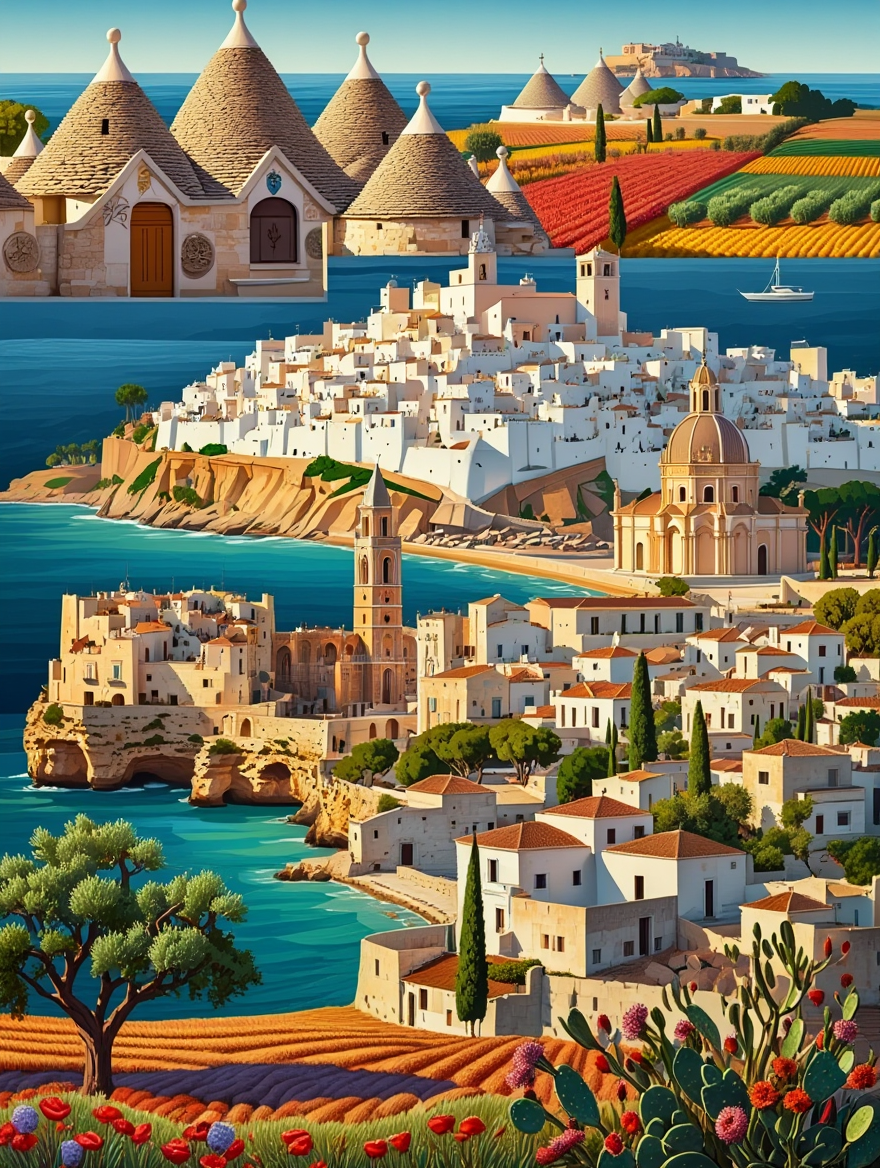
Italy is a country where culture, history, and beauty converge into one unforgettable experience. From the ruins of ancient Rome to the Renaissance masterpieces of Florence, from the canals of Venice to the dramatic Amalfi Coast, Italy offers travelers a rich tapestry of sights, tastes, and experiences. Its diversity—regional, culinary, architectural—is one of its greatest strengths. No matter where you go, every city, hilltop village, and coastal town offers a distinct personality and a piece of the nation’s long and layered history.
Italy’s appeal lies not only in its famous landmarks but in its rhythm of life. Meals are savored. Afternoons are slowed. Art and beauty are not only admired—they are lived. For travelers seeking a destination with depth, style, and warmth, Italy delivers at every turn.
Italy Travel Guide: Everything You Need to Know
How to Get to Italy
Italy is well-connected by air, rail, and road. International travelers typically fly into one of these major airports:
Rome Fiumicino (FCO) – Ideal for exploring central and southern Italy.
Milan Malpensa (MXP) – Convenient for northern regions, the Alps, and Lake District.
Venice Marco Polo (VCE) – Access to the Veneto and northeast Italy.
Naples International (NAP) – Gateway to the Amalfi Coast and southern Italy.
Florence Airport (FLR) – Best for exploring Tuscany.
Trains and highways from neighboring European countries also offer efficient overland access.
Getting Around
Italy’s internal transport network is extensive and efficient:
High-speed trains (Frecciarossa, Italo) connect major cities quickly.
Regional trains cover smaller towns and countryside routes.
Car rentals are ideal for rural areas like Tuscany, Umbria, and Sicily.
Domestic flights and ferries are available for islands like Sardinia and Sicily.
When to Visit
Spring (April to June) and autumn (September to October) offer pleasant temperatures and fewer crowds.
Summer (July and August) is hot and busy, especially in tourist hubs and beach areas.
Winter (December to February) is ideal for city breaks and skiing in the Alps or Dolomites.
Currency
Italy uses the euro (EUR). Credit and debit cards are widely accepted, though cash is recommended in smaller towns.
Language
Italian is the official language. English is commonly spoken in tourist areas, though learning a few basic phrases is appreciated.
Top Things to Do in Italy
Explore Historic Cities
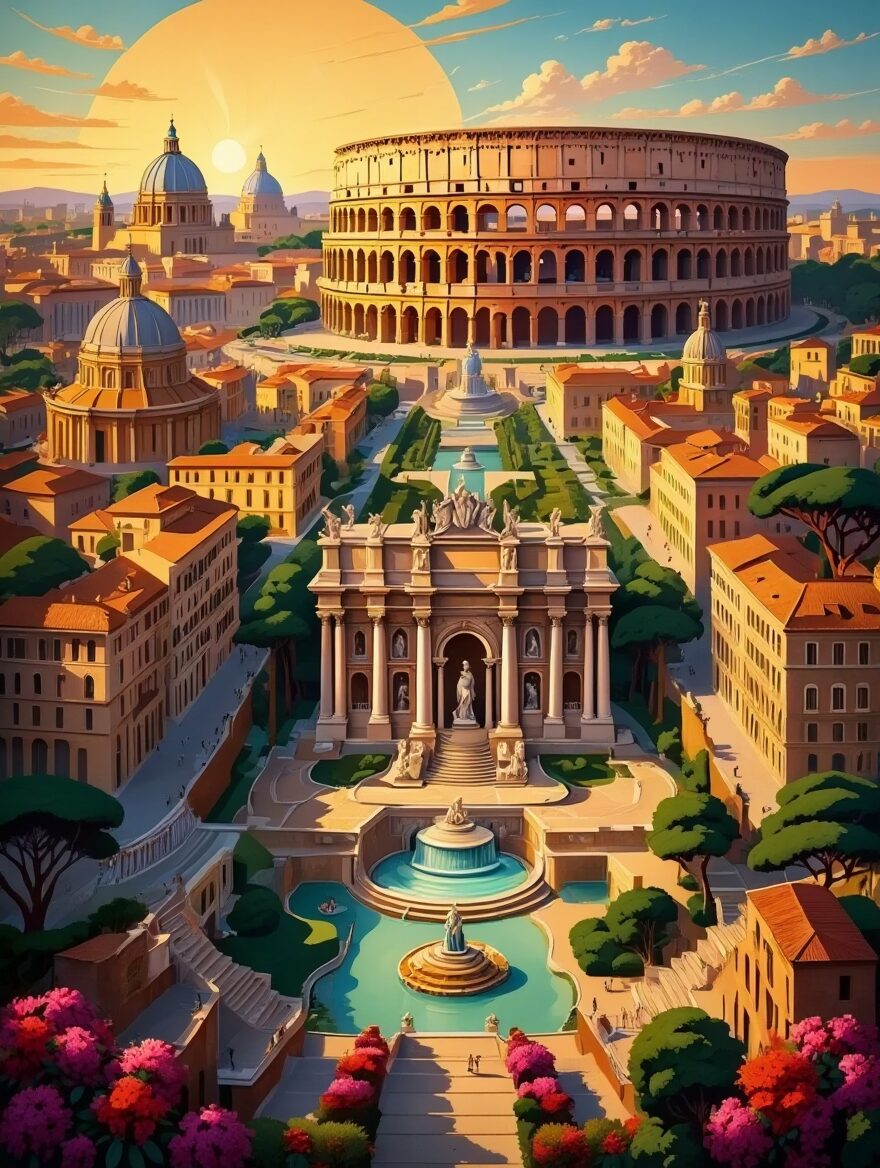
Rome offers a journey through millennia—from the Colosseum and Roman Forum to the Vatican and St. Peter’s Basilica.
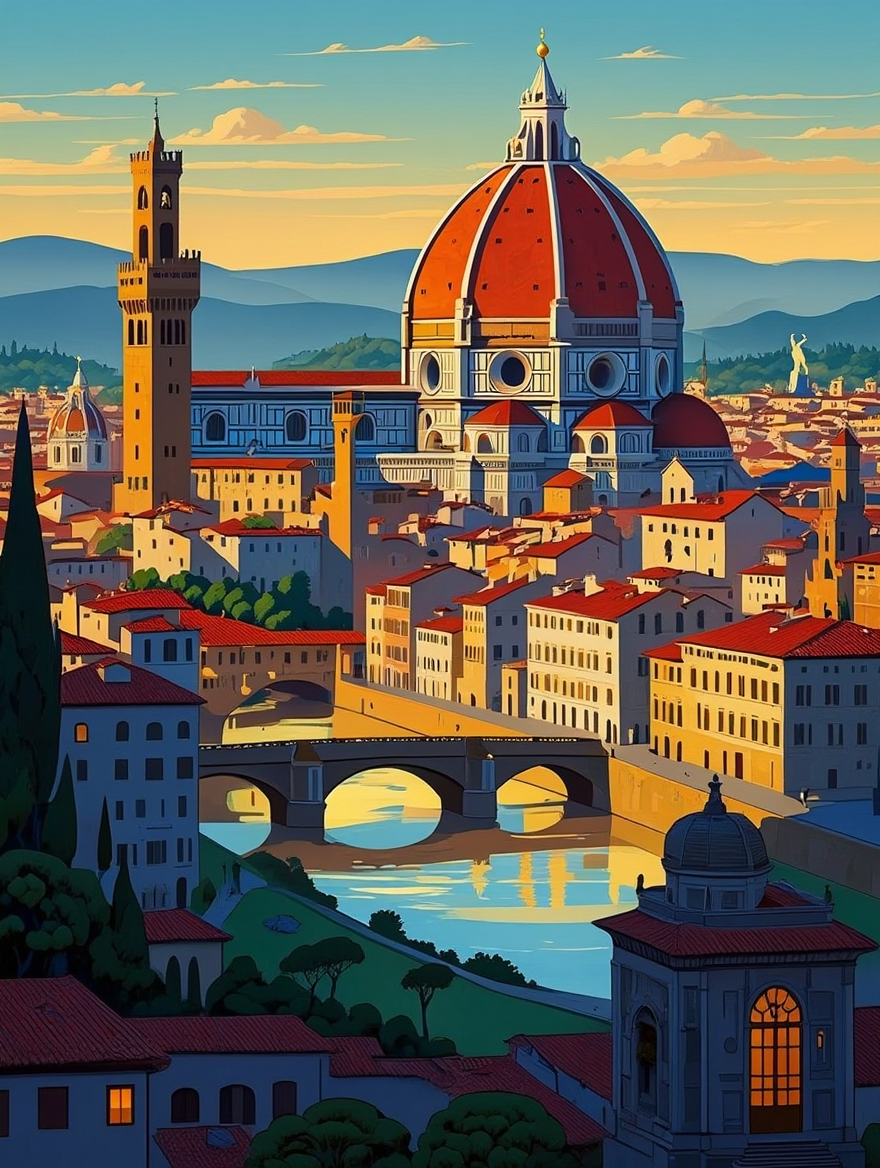
Florence is the cradle of the Renaissance, filled with world-class museums, historic churches, and the iconic Duomo.
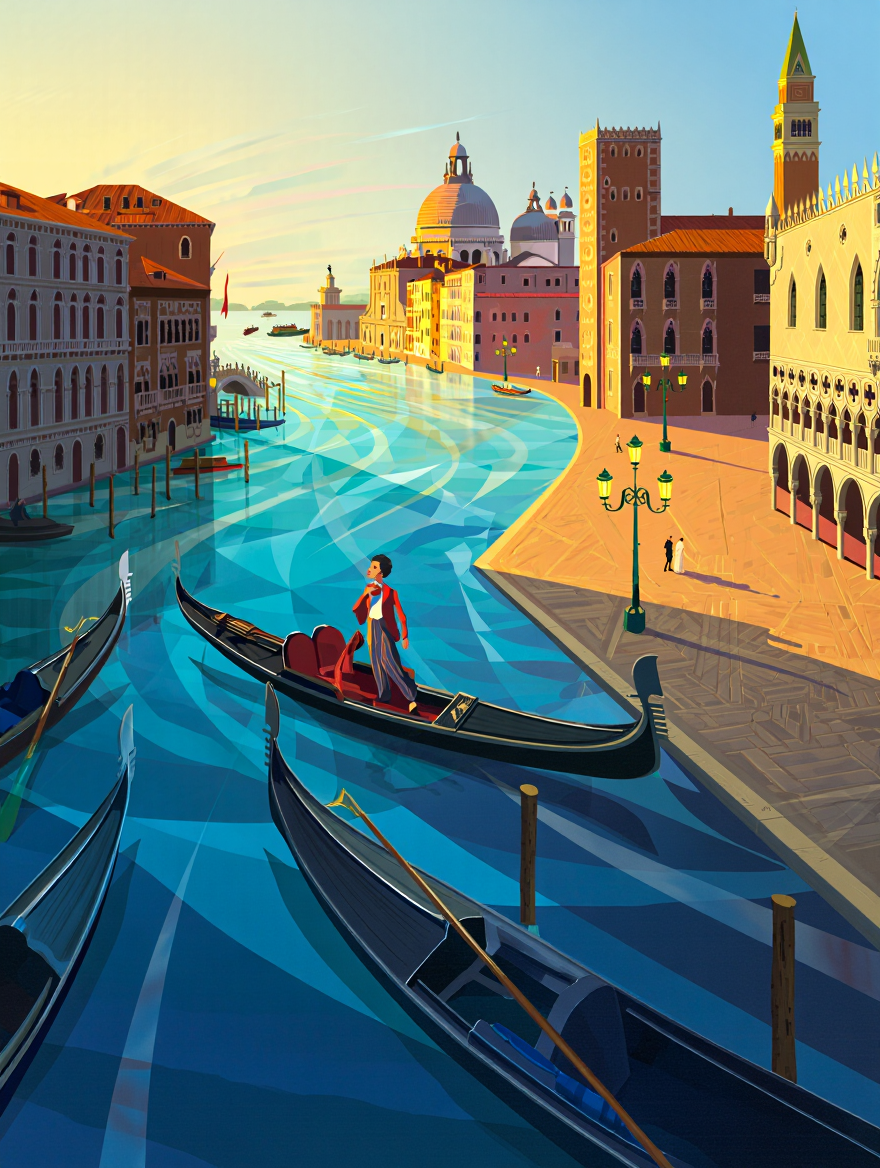
Venice is a one-of-a-kind city on water, best discovered on foot and by gondola through its intricate canal system.
Milan blends fashion, finance, and design with historical sights like the Duomo and Da Vinci’s Last Supper.
Discover Regional Landscapes
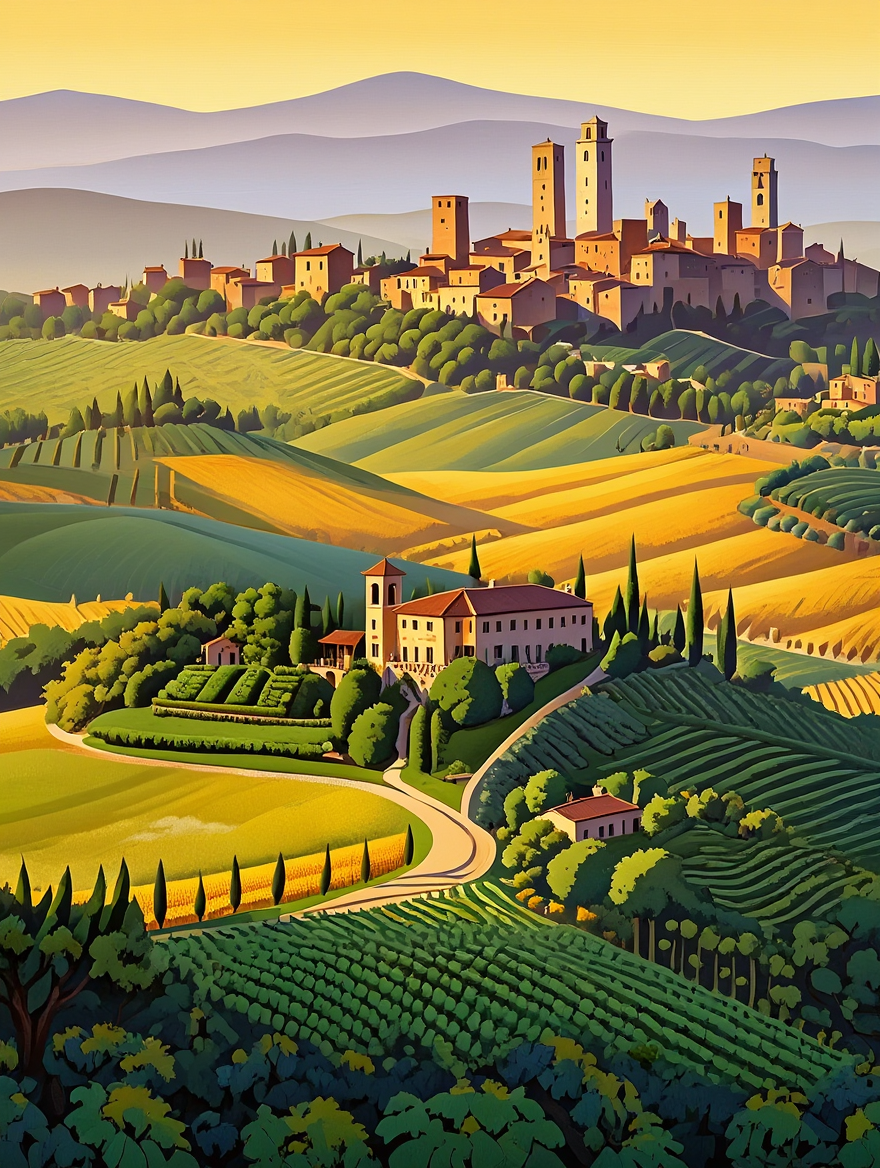
Tuscany is known for its rolling hills, vineyards, and medieval towns such as Siena and San Gimignano.
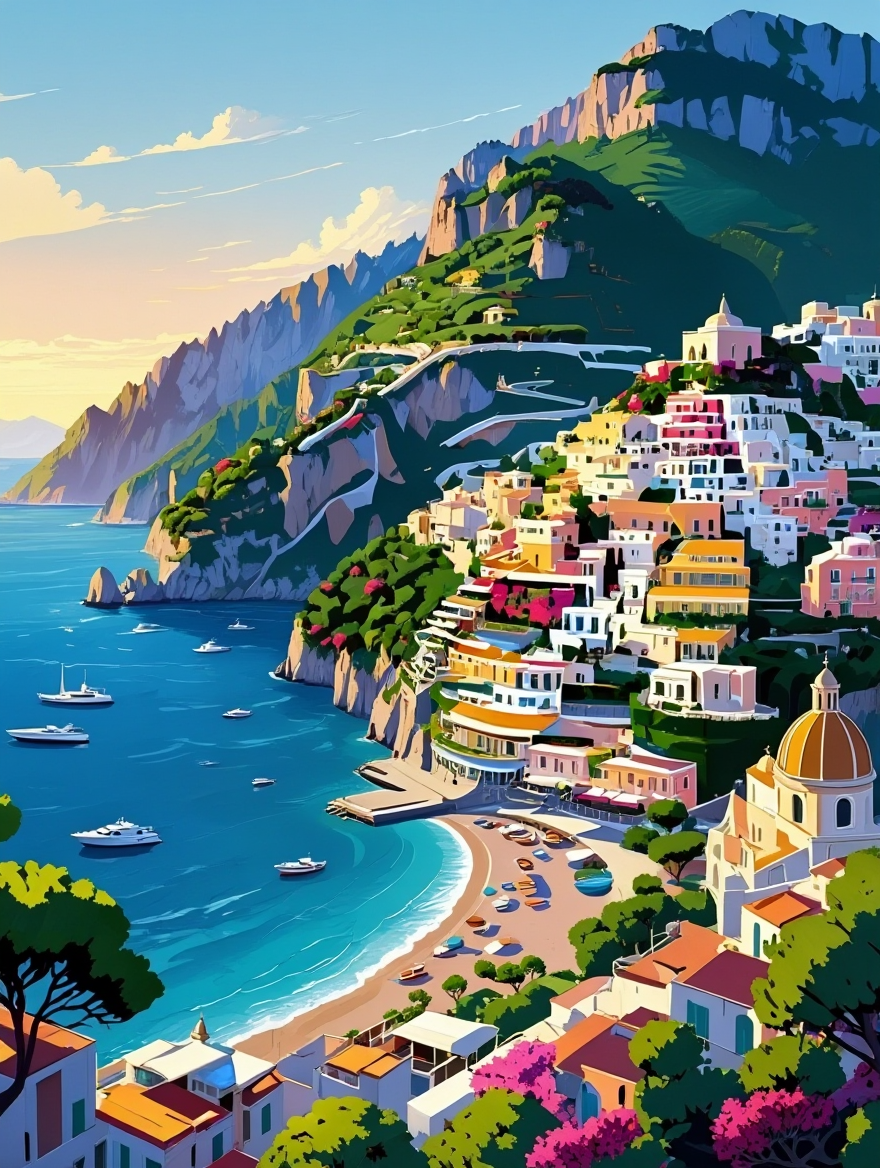
The Amalfi Coast features cliffside villages like Positano and Ravello, overlooking the turquoise sea.
The Dolomites and Italian Alps offer skiing, hiking, and stunning alpine scenery.
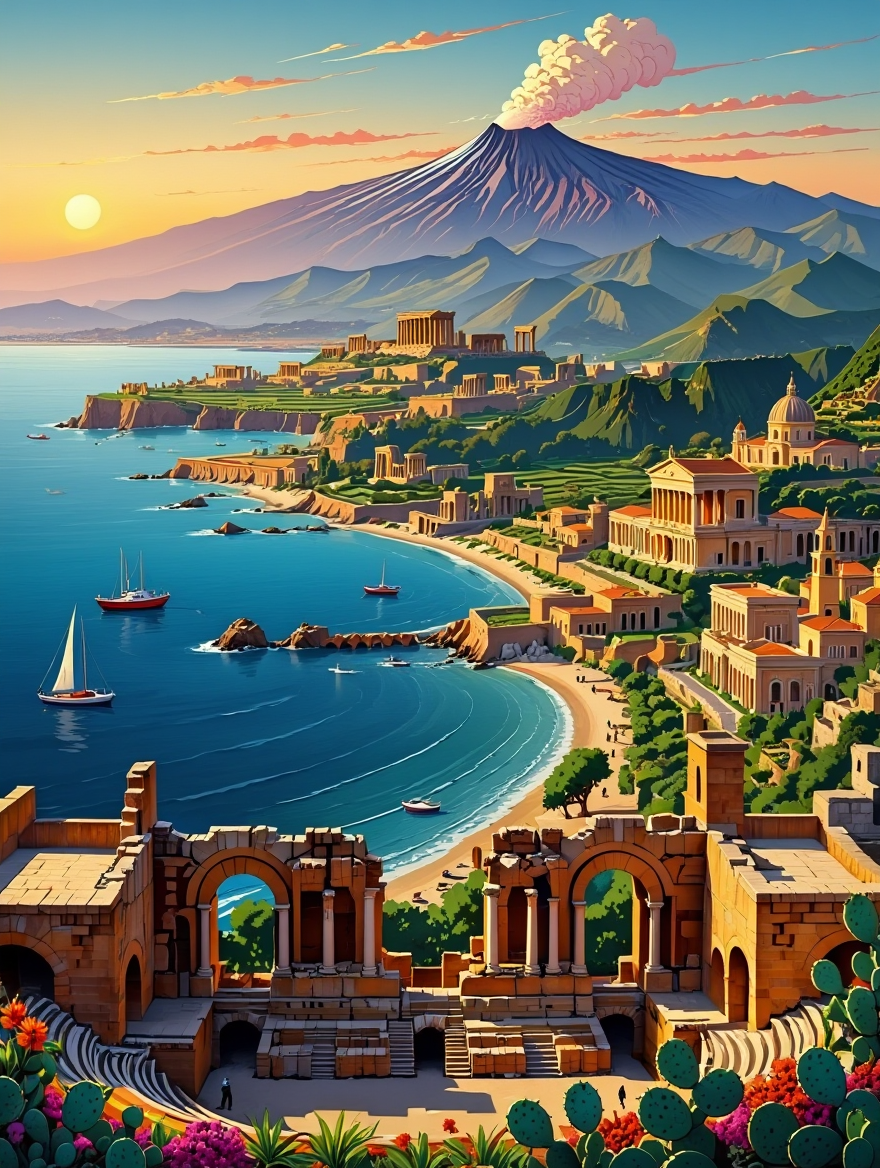
Sicily and Sardinia provide sun-drenched beaches, ancient ruins, and distinct island cultures.
Taste Italian Cuisine
Italy’s culinary heritage varies by region but shares a commitment to fresh, high-quality ingredients. Highlights include:
Neapolitan pizza in Naples
Risotto alla Milanese in Milan
Tagliatelle al ragù in Bologna
Fresh seafood along the Adriatic and Tyrrhenian coasts
Wines from Tuscany, Piedmont, and Sicily
Espresso and gelato, national staples
Italy Travel FAQ
Is Italy safe for tourists? Yes. Italy is generally very safe for travelers. Standard precautions should be taken in crowded places to avoid petty theft.
Do I need a visa to visit Italy? EU and Schengen countries have unrestricted access. Citizens of the US, UK, Canada, Australia, and many others can stay for up to 90 days visa-free within the Schengen Zone.
Can I use public transportation easily? Yes. Italy’s train system is one of the most efficient in Europe. Buses and metros are also reliable in cities.
Is it expensive? Italy can be both affordable and luxurious. Major tourist cities are more expensive, but rural and southern areas tend to offer better value.
Can I drink the tap water? Yes, tap water is safe throughout Italy. Many cities have public fountains with clean, drinkable water.
What’s the dress code for churches and religious sites? Modest dress is required—covering shoulders and knees is expected in places like St. Peter’s Basilica.
The Viewpoint Horizons hidden-gem guide to a country where Cold-War submarines, primeval rain-forest and shepherd-cheese shacks all squeeze into a land smaller than Connecticut.
The Viewpoint Horizons hidden-gem guide to a country where dragons nap beneath salt mines, milk bars serve socialism with sour cream, and street murals argue with Chopin.
Get special offers from Viewpoint Horizons
Subscribe to see secret deals prices drop the moment you sign up!