
Israel is not just a destination—it is a confluence. A meeting of past and present, desert and sea, sacred and secular. Few countries are as layered, as storied, or as emotionally resonant as Israel. To travel here is to walk through millennia: along Roman roads, beside Crusader walls, through vibrant souks and sacred sites, each step unfolding a chapter of human history. But Israel is not a museum. It is alive—dynamic, diverse, and deeply modern.
From the ancient stones of Jerusalem to the skyscrapers of Tel Aviv, from the stillness of the Dead Sea to the coral reefs of Eilat, Israel’s scale belies its complexity. It is a country where prophets walked and poets write, where languages intertwine, and where food, music, and identity fuse in every corner. The land feels charged—by history, by faith, by ambition.And yet, what most travelers carry home is not conflict, but connection. Conversations over strong coffee in Nazareth, the serenity of a desert sunrise in the Negev, or the laughter of a Shabbat dinner in Tel Aviv. With Viewpoint Horizons as your guide, Israel reveals itself not only through sites and scriptures, but through people and the pulse of everyday life.
Israel’s main international gateway is Ben Gurion Airport (TLV) near Tel Aviv, with direct flights from North America, Europe, Asia, and the Middle East. Ramon Airport in the south serves limited international routes and offers domestic connections to Tel Aviv and Haifa. Overland crossings from Jordan (Allenby/King Hussein Bridge, Sheikh Hussein, Wadi Araba) are accessible to most travelers with a valid visa. Entry from Egypt via Taba is also possible for Sinai and Eilat travelers.
Israel offers excellent infrastructure. Public buses, trains, and sheruts (shared taxis) connect cities and towns efficiently. Israel Railways links Tel Aviv, Haifa, Jerusalem, and Ben Gurion Airport. In cities, rental cars, taxis, and ride-hailing apps like Gett are widely available. For the Negev or Golan Heights, a rental car provides freedom to explore. Note: public transport halts on Shabbat (Friday sunset to Saturday night) in most of the country.
The best times to visit are spring (March–May) and autumn (September–November), when temperatures are mild and landscapes are lush or golden. Summers (June–August) are hot and dry—ideal for beachgoers but intense in the desert. Winters (December–February) are cooler and rainier, especially in the north, but still travel-friendly, particularly for cultural tourism and religious festivals.
The local currency is the Israeli new shekel (ILS). Credit cards are accepted widely, even for small purchases. ATMs are abundant, and contactless and mobile payments are common. Bargaining is expected in some markets, but prices are fixed in stores and restaurants.
Hebrew and Arabic are official languages. English is widely spoken, especially in tourist areas, cities, and among younger generations. Street signs, menus, and transport instructions are usually trilingual (Hebrew–Arabic–English), making navigation accessible for international visitors.
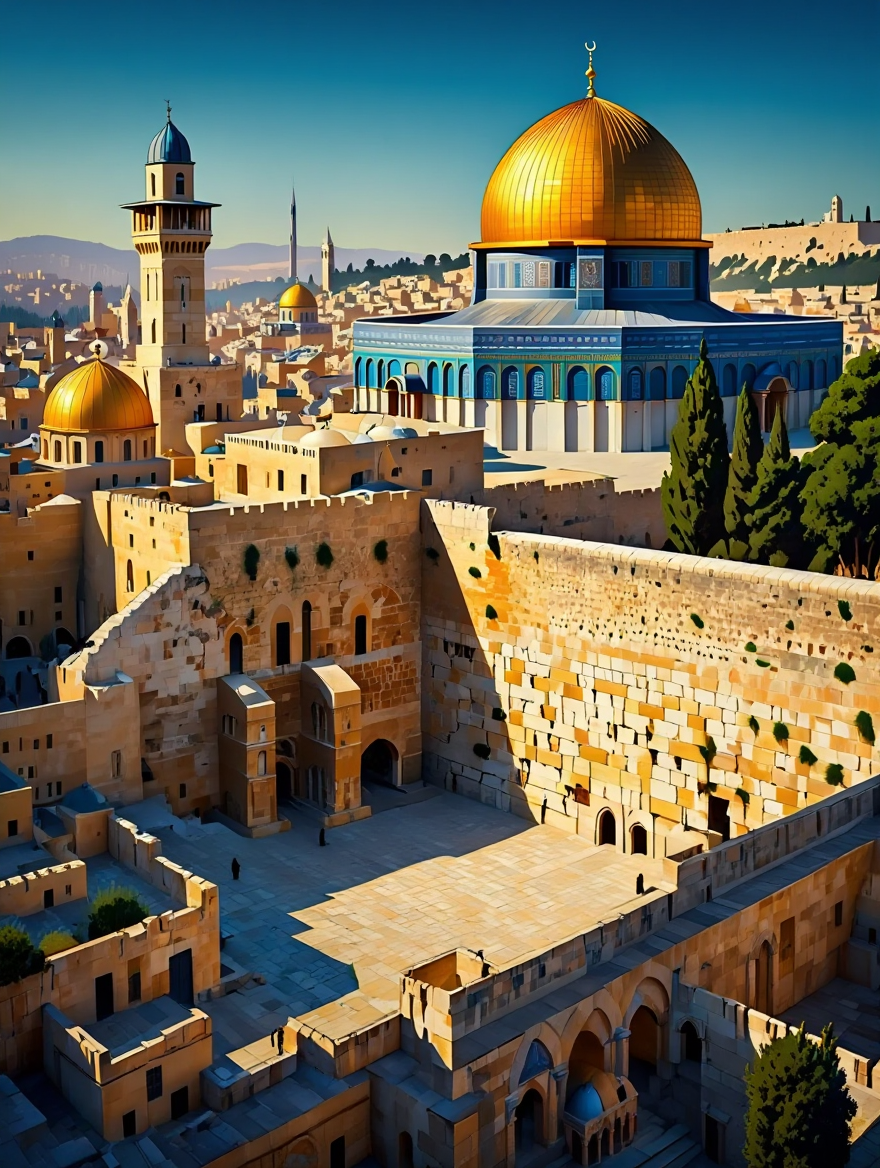
Few cities hold as much spiritual weight and global significance as Jerusalem. Within its stone walls, three major religions converge. Wander the Old City, divided into Jewish, Muslim, Christian, and Armenian Quarters. Stand at the Western Wall, ascend to the Temple Mount, and visit the Church of the Holy Sepulchre, believed to house both Golgotha and the tomb of Christ. Outside the walls, Yad Vashem, Israel’s Holocaust memorial, offers profound reflection, while Mahane Yehuda Market brings color, scent, and local life into vivid focus. Jerusalem is sacred, complex, and unforgettable.
Tel Aviv contrasts Jerusalem like sunlight to shadow. Vibrant, youthful, and architecturally eclectic, it pulses with creativity. Stroll the Bauhaus-lined boulevards of the White City (a UNESCO World Heritage Site), explore the contemporary galleries of Florentin, or relax on Gordon Beach. As night falls, the city transforms into one of the Middle East’s most dynamic nightlife hubs. Don’t miss Neve Tzedek, Tel Aviv’s first neighborhood, now full of boutiques and artisanal cafés, or the ancient port of Jaffa, where cobbled lanes lead to art studios and views across the Mediterranean.
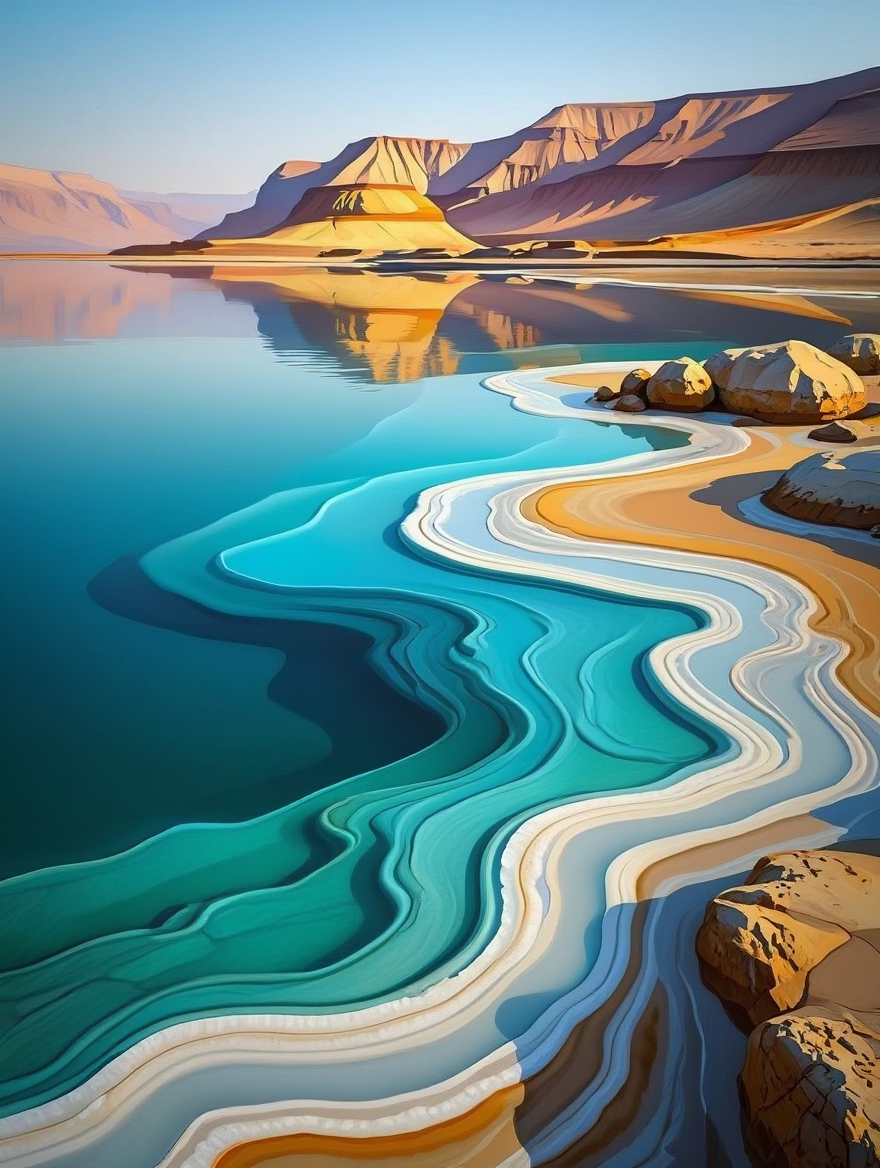
Floating effortlessly in the Dead Sea is more than a novelty—it’s elemental. The hyper-saline water, dense with minerals, invites both healing and awe. Surrounding it, the Judean Desert stretches toward Jordan, etched with canyons, caves, and ancient fortresses. Hike to the clifftop ruins of Masada, where King Herod’s fortress and a dramatic chapter of Jewish resistance stand above the silence of the valley. At sunrise, it is one of the most stirring vistas in Israel.
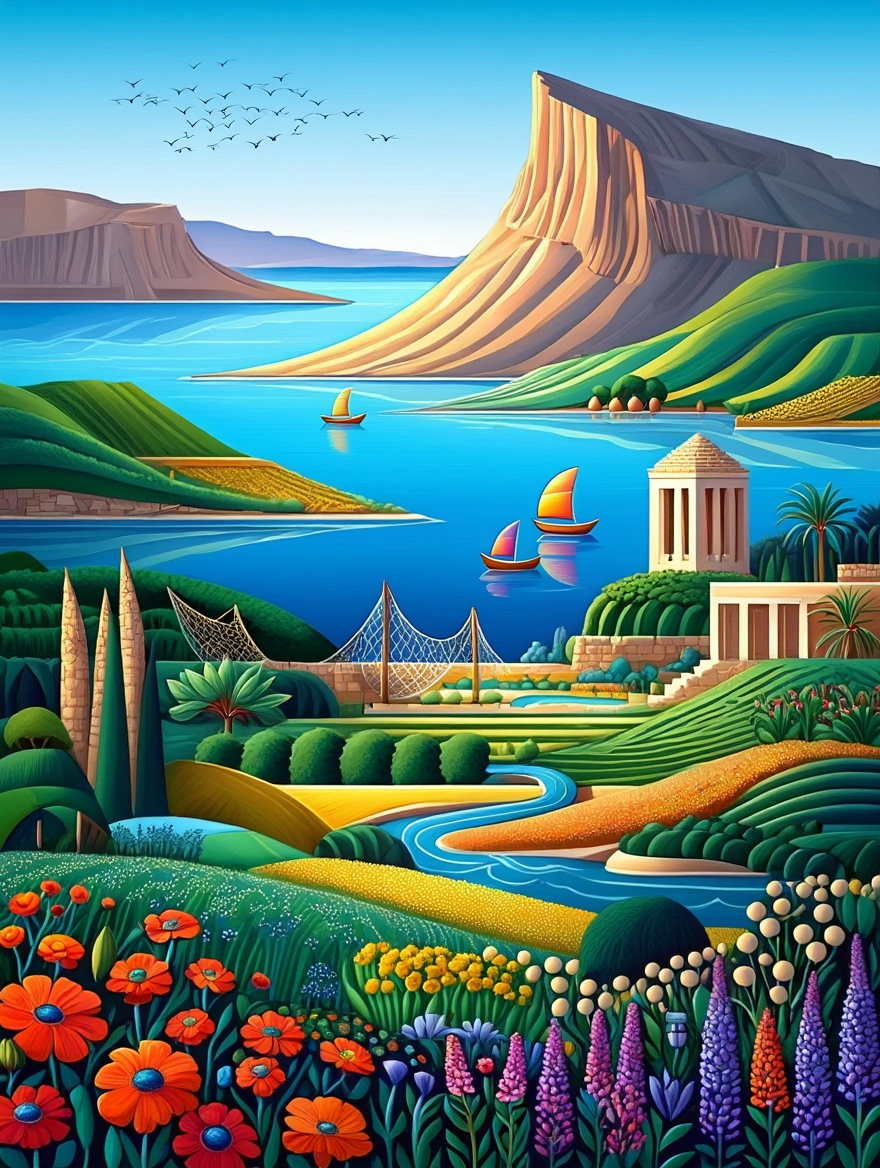
Northern Israel is lush, serene, and deeply spiritual. In Nazareth, the Basilica of the Annunciation honors Mary’s moment of revelation. Along the Sea of Galilee, walk where Jesus is said to have preached, or boat across the calm waters from Tiberias. The Golan Heights, with its volcanic plateaus and wineries, offers hiking, history, and panoramic views to Syria and Lebanon. The region is also home to Druze and Arab Christian villages, whose hospitality reveals the country’s complex cultural fabric.
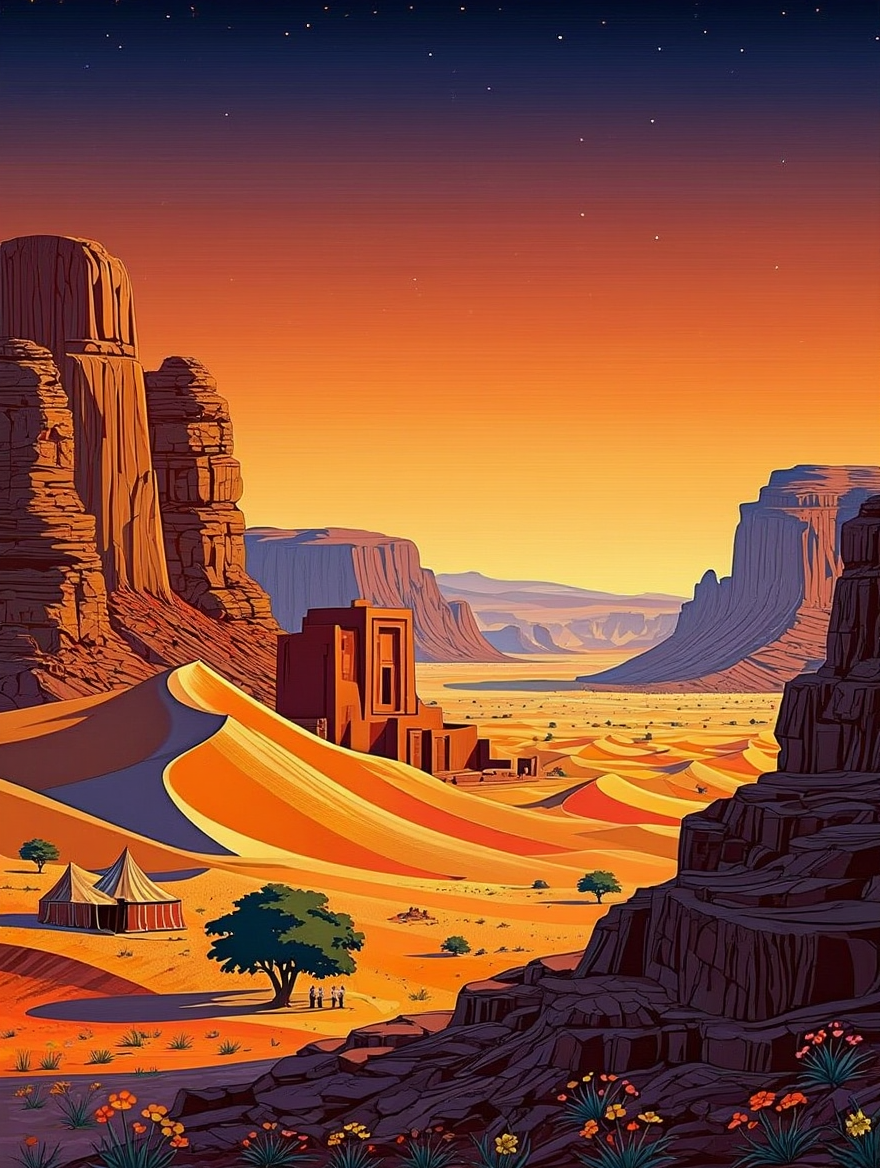
Israel’s south is a study in vastness. The Negev covers over half the country yet feels empty, timeless. Visit Mitzpe Ramon, perched on the edge of the world’s largest erosion crater, the Ramon Makhtesh. Hike through Ein Avdat National Park, encounter desert ibex, or stay in a Bedouin camp under infinite stars. The desert here speaks softly—but profoundly.
At Israel’s southern tip lies Eilat, a resort town framed by red mountains and the coral-rich waters of the Red Sea. Snorkel in the Coral Beach Nature Reserve, dive with dolphins, or explore the rugged Timna Park—home to ancient copper mines and surreal desert formations. With year-round sunshine, Eilat is Israel’s gateway to marine adventure and relaxation.
Is Israel safe for tourists?
Yes. Despite its political complexities, Israel is generally very safe for tourists, with a high standard of security, healthcare, and infrastructure. Follow local advice and avoid border areas during heightened tensions.
Do I need a visa to visit Israel?
Citizens of the EU, US, UK, Canada, Australia, and many others can enter Israel visa-free for up to 90 days. Entry and exit procedures are strict but routine. An entry slip is issued instead of a passport stamp.
Is travel during Shabbat difficult?
Yes and no. From Friday sunset to Saturday night, public transport halts in many areas, especially Jerusalem. In Tel Aviv, some services continue. Plan accordingly for travel and meals.
Can I visit both Israel and neighboring Arab countries?
Yes—but plan carefully. Israeli border stamps are no longer issued, but evidence of travel (e.g., entry slips) may affect future entry to some countries that do not recognize Israel.
Is English widely spoken?
Yes. English is common, especially in tourism, business, and hospitality. Most signs, menus, and transport instructions include English.
Is the food in Israel safe and suitable for special diets?
Absolutely. Israeli cuisine is fresh, vibrant, and diverse—drawing from Jewish, Arab, North African, and Mediterranean influences. Vegetarians and vegans will find ample options. Tap water is safe to drink.
Israel does not offer easy answers—but it offers rich questions. It is a land of paradox and poetry, of spiritual resonance and living culture, of deserts and seas and conversations that continue long after your journey ends.
With Viewpoint Horizons, you are invited not just to see Israel—but to engage with it. To walk its trails, share its meals, and listen to the stories rising from stone, scripture, and soul.



Subscribe to see secret deals prices drop the moment you sign up!