
Georgia is well-connected by air, especially through Tbilisi International Airport (TBS), which serves daily flights from major cities in Europe, the Middle East, and Central Asia. Budget airlines also operate frequent routes into Kutaisi International Airport (KUT), making Georgia an accessible destination even for spontaneous or budget-conscious travelers. Batumi International Airport (BUS) serves the western part of the country and is ideal if you’re heading to the Black Sea coast.
Travelers from many countries can enter visa-free for up to a year, including EU member states, the UK, USA, Canada, UAE, Israel, Turkey, and more. The entry process is fast and simple—no paperwork, no registration.
Georgia is a compact country, which means you can experience mountains, wine regions, spa towns, and seaside cities all within a few hours of each other. Getting around is easy once you understand the options:
Private transfers and rental cars give you the most flexibility and are ideal for families or those visiting multiple regions.
Marshrutkas (shared minibuses) are the most budget-friendly and reach almost every part of the country, though schedules and comfort levels vary.
Trains connect Tbilisi with cities like Batumi and Zugdidi—ideal for long, scenic rides.
Domestic flights (Tbilisi–Mestia, Tbilisi–Batumi) are available but often seasonal or limited.
For a worry-free experience, Viewpoint Horizons offers private drivers, custom itineraries, and guided trips—perfect for travelers who want comfort, safety, and local insight.
Georgia’s currency is the Georgian Lari (GEL). Credit and debit cards are widely accepted in cities, supermarkets, and restaurants. However, rural regions, small towns, and markets often prefer cash—so it’s a good idea to carry some on you.
ATMs are easy to find and reliable, including in tourist hubs like Tbilisi, Kutaisi, and Batumi.
Currency exchange is available at the airport, in banks, and licensed booths across the country.
Tipping is not mandatory but appreciated (usually 10% at restaurants).
Wi-Fi is widely available and fast in hotels, restaurants, and cafés throughout Georgia. For mobile connectivity, you can purchase a local SIM card (Magti, Geocell, or Beeline) with generous data packages for as little as 10–20 GEL. SIMs are sold at airports and in any mobile shop, usually requiring just your passport.
The official language is Georgian, which uses its own unique alphabet. It’s not related to any other major world language, but don’t worry—English is increasingly common in tourist-facing areas, especially among younger people and in cities like Tbilisi and Batumi.
In rural areas and mountains, basic Russian is often more widely spoken than English.
Road signs and menus in major areas are usually bilingual (Georgian and English).
Learning a few local phrases like “gamarjoba” (hello) or “madloba” (thank you) goes a long way.
Georgia has diverse microclimates, so the best time to visit depends on your travel goals:
Spring (April–June): Ideal for sightseeing, wine tours, and hiking at lower altitudes. Flowers bloom, weather is mild, and the countryside is green.
Summer (July–August): Best for mountain treks in Kazbegi, Svaneti, or Tusheti, and Black Sea beaches in Batumi or Kobuleti. Tbilisi and Kakheti can be very hot.
Autumn (September–October): The wine harvest season in Kakheti and Imereti, with beautiful fall colors and food festivals.
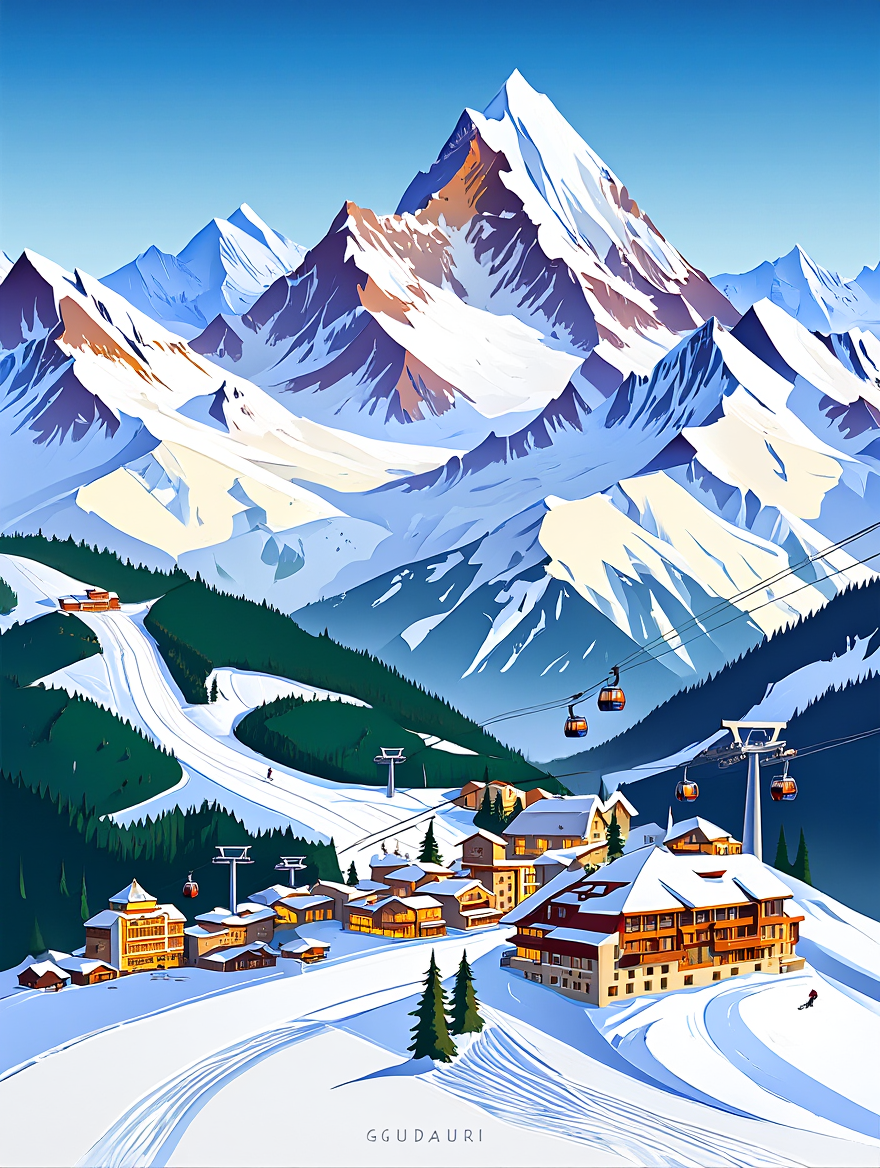
Winter (December–March): Perfect for skiing and snowboarding in Gudauri, Bakuriani, and Mestia. Tbilisi remains snow-free and festive.
No matter the season, Viewpoint Horizons tailors each trip to match weather conditions and regional access, helping you make the most of your time.
Georgian cuisine is one of the country’s biggest attractions. It’s flavorful, filling, and deeply regional, offering something new in every part of the country.
Must-try dishes include khachapuri (cheese-filled bread), khinkali (soup dumplings), lobio (bean stew), badrijani (eggplant with walnut), and mtsvadi (grilled meat).
Vegetarians will find plenty of options thanks to Georgia’s tradition of meatless fasting foods.
Don’t skip dessert—churchkhela (walnut and grape paste snack) and pelamushi (grape pudding) are local favorites.
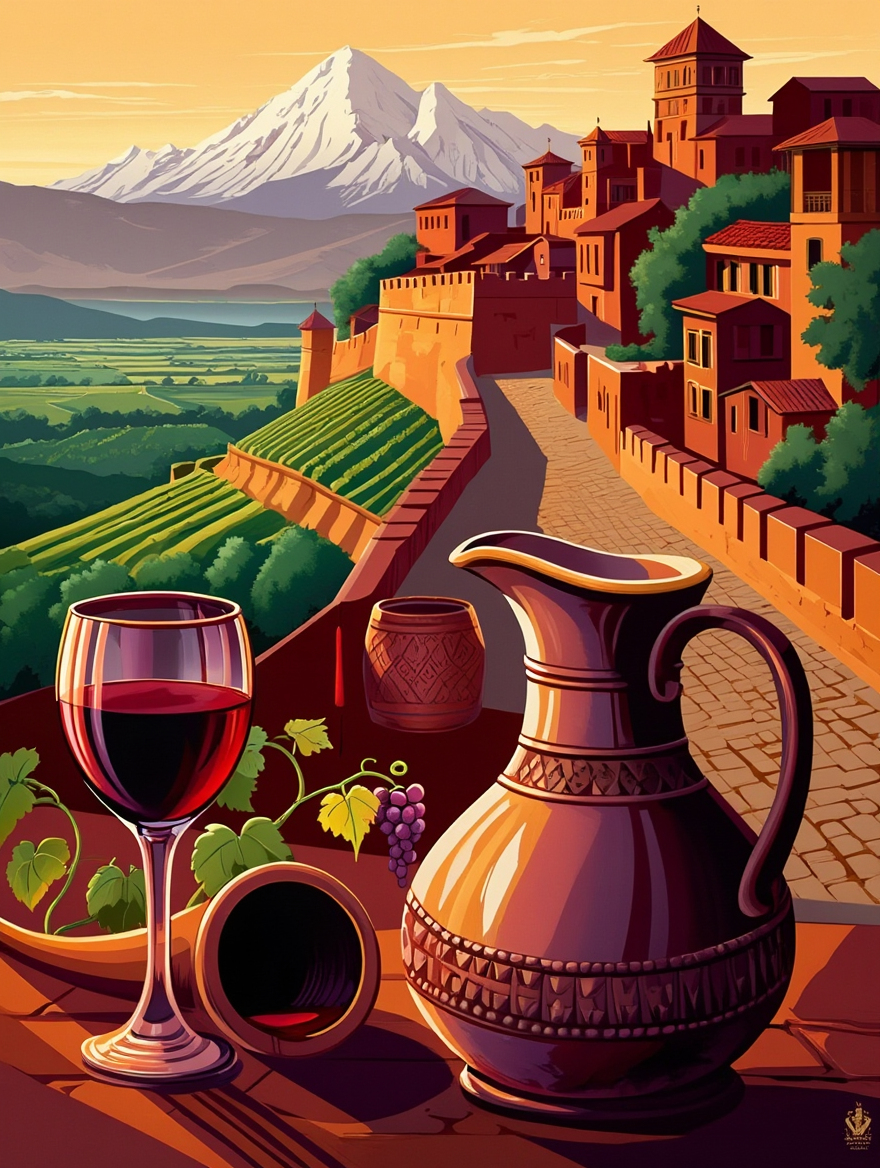
Georgia is also considered the birthplace of wine, with over 500 indigenous grape varieties and an 8,000-year winemaking tradition. The qvevri method, using large clay jars buried underground, is still practiced widely.
In Kakheti, Racha, and Imereti, you can tour wineries, taste natural wines, and even join the harvest.
Wine is central to the Georgian supra (feast), which includes endless toasts, storytelling, and food shared among guests.
Safety: Georgia is one of the safest countries in the region. Violent crime is extremely rare. Use common sense precautions in crowded places.
Water: Tap water is safe to drink in cities like Tbilisi and Batumi. In villages, bottled water is recommended.
Medical Care: Pharmacies are everywhere and well-stocked. Private clinics in Tbilisi and Batumi offer high-quality care, often with English-speaking staff.
Etiquette: Georgians are proud and hospitable. Always accept toasts, remove shoes when entering homes, and avoid speaking loudly in churches or monasteries.
Georgia has ancient traditions that are alive in daily life:
Hospitality is sacred. Guests are treated like family, often invited in for a meal or wine.
Religion is important. Most Georgians are Orthodox Christian. Respect customs when visiting churches—dress modestly and speak quietly.
The supra (feast) is not just a meal—it’s a ritual of storytelling, singing, and toasting led by a tamada (toastmaster).
Folk music and dance are vibrant, especially in regions like Svaneti and Racha.
With Viewpoint Horizons, you don’t just see Georgia—you experience it alongside locals, with respect for tradition and appreciation for authenticity.
Georgia may be a small country geographically, but it offers a remarkably wide range of experiences. From high-altitude trekking and wine tasting to exploring ancient cave cities and enjoying spa towns, there’s something for every type of traveler. Below is a curated list of the most rewarding things to do across different regions—whether you have 5 days or 3 weeks.
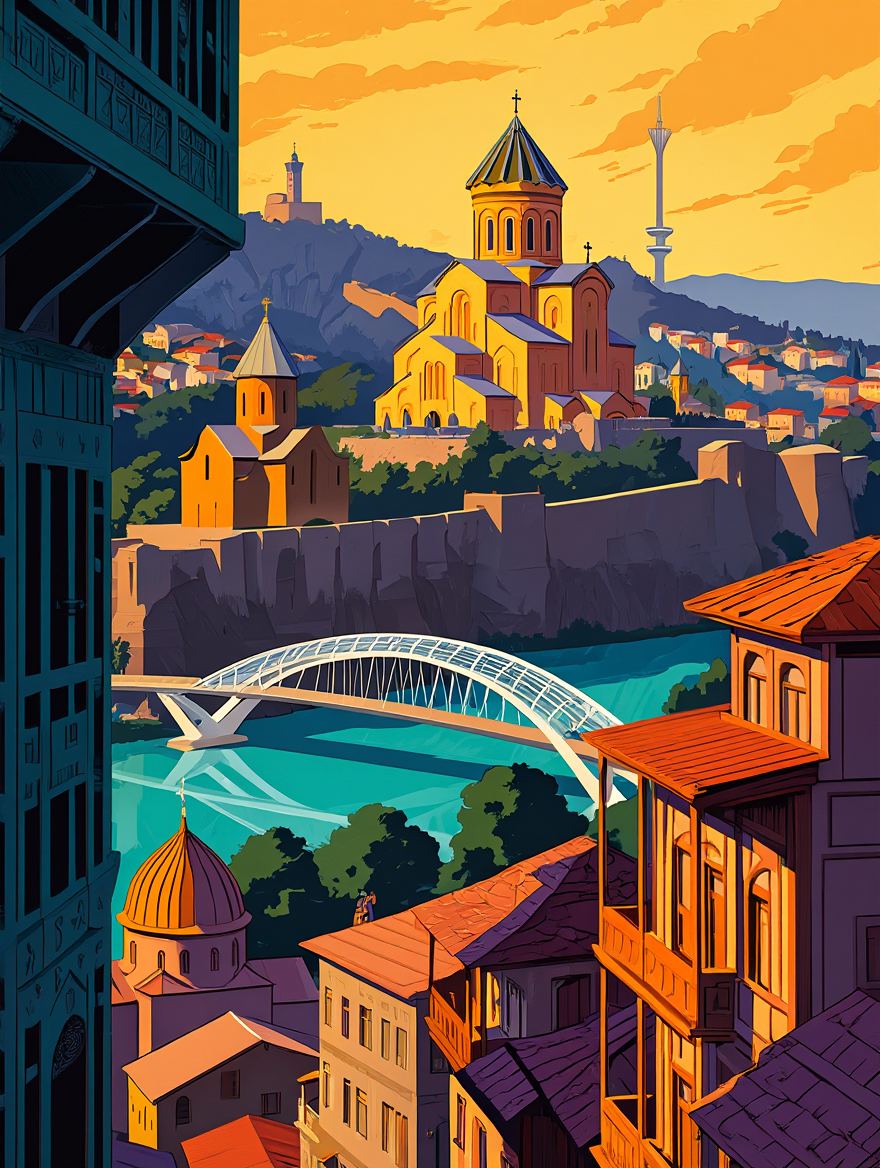
Tbilisi is Georgia’s capital and most vibrant city. Begin in the Old Town, where traditional wooden balconies hang above winding alleys. Visit the sulfur baths in Abanotubani, take the cable car to Narikala Fortress for panoramic views, and walk through the eclectic mix of architecture—from medieval churches to 21st-century bridges. Stop for wine, coffee, or craft beer at one of the city’s many cafés. Tbilisi is a place where every neighborhood tells a different story.
Just a few hours north of Tbilisi lies Kazbegi (Stepantsminda), where the Gergeti Trinity Church sits under the watchful gaze of Mount Kazbek. The scenery is iconic: snow-capped peaks, highland villages, and a landscape that feels untouched. It’s one of the most popular weekend getaways from the capital and a paradise for nature lovers and photographers.
Kakheti is the heart of Georgia’s ancient wine culture. Tour family-run wineries in Telavi, Sighnaghi, or Tsinandali and taste wine made using traditional qvevri clay jars. Participate in a harvest or enjoy a supra-style lunch with homemade wine, local bread, and aged cheese. Wine lovers will appreciate both the taste and the centuries of knowledge behind each bottle.
In winter, Gudauri, Mestia, and Bakuriani offer excellent skiing and snowboarding with fewer crowds than European resorts. In summer, those same mountains turn into trekking havens. Multi-day hikes between villages like Mestia to Ushguli or day hikes to glaciers and waterfalls let you experience high-altitude Georgia up close.
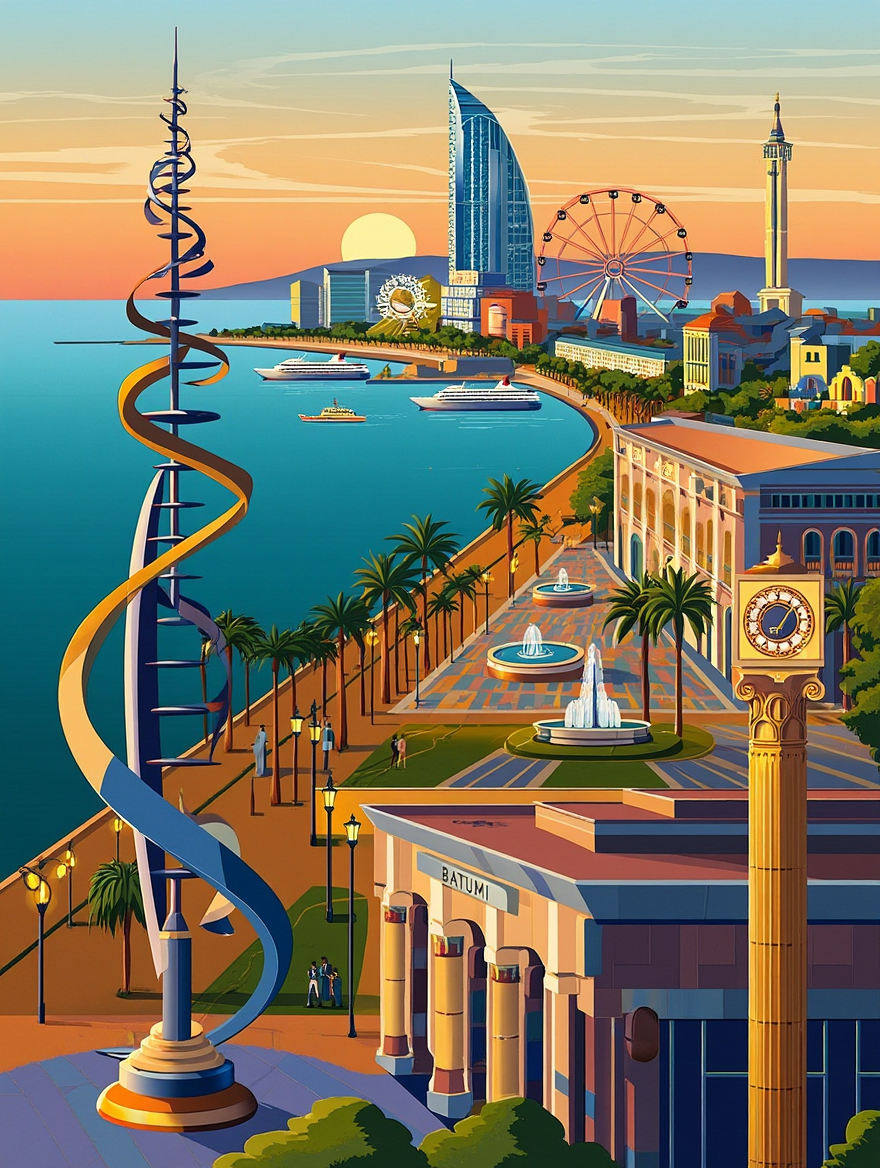
Batumi is Georgia’s seaside resort city, where palm trees line the coast and futuristic architecture meets subtropical greenery. Walk the long boulevard, relax on the beach, visit the Batumi Botanical Garden, and explore vibrant nightlife. It’s the perfect summer destination for beach lovers or those looking for a slower pace by the sea.
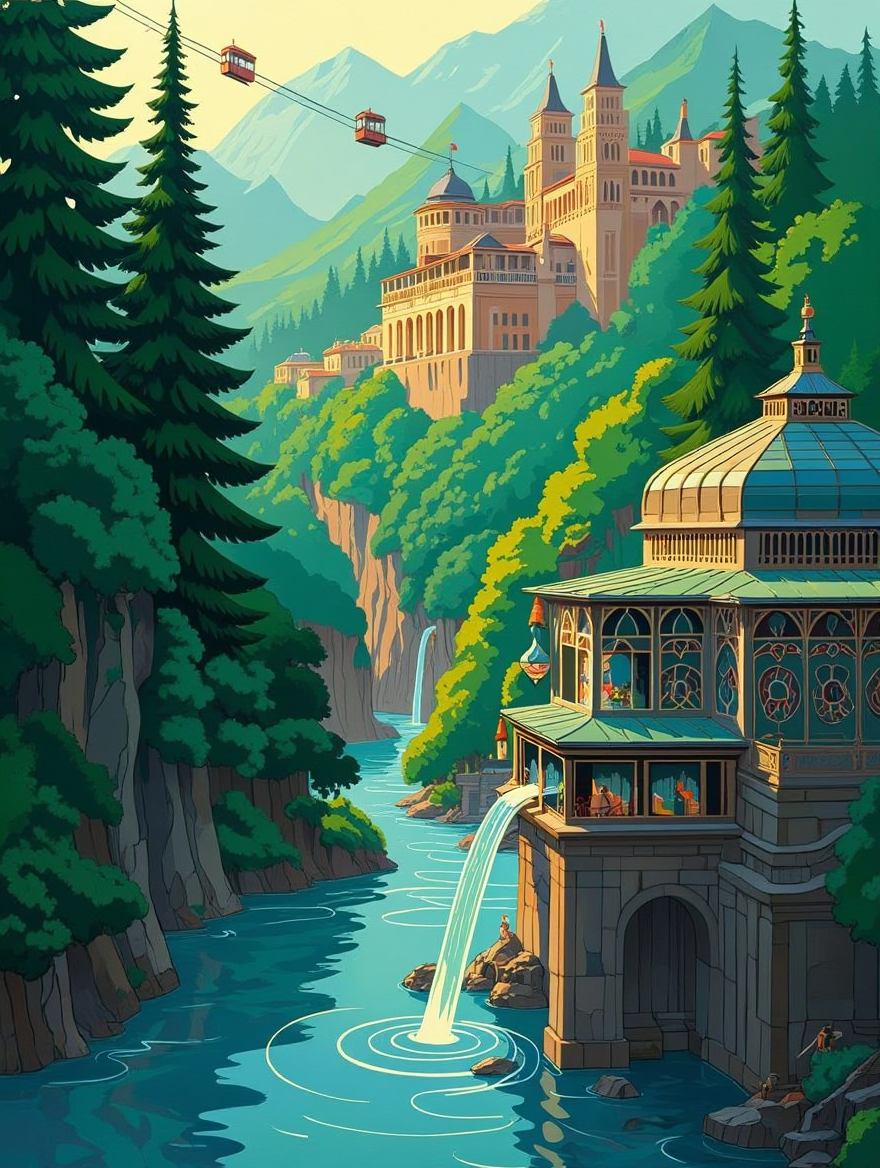
Borjomi is known for its mineral water and fresh air. Stroll through Borjomi Central Park, taste water straight from the source, and take light hikes into the surrounding forests. Use it as a base for exploring Borjomi-Kharagauli National Park, one of the largest protected natural areas in the Caucasus.
Georgia is dotted with churches and monasteries, many of them over a thousand years old. In Mtskheta, just 30 minutes from Tbilisi, you’ll find Svetitskhoveli Cathedral and Jvari Monastery, both UNESCO sites. Farther south, the cave monastery of Vardzia stuns with its scale, carved into a cliffside overlooking the Mtkvari River.
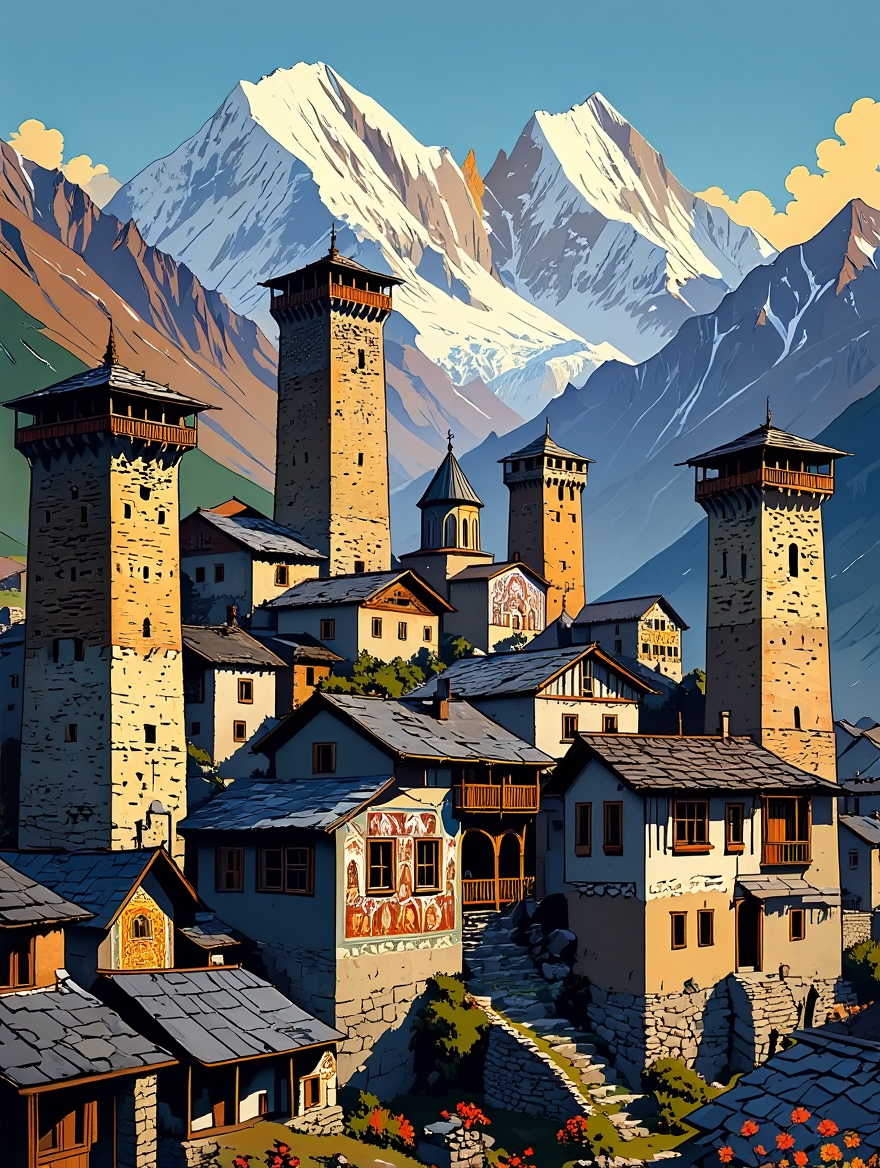
Svaneti is a highland region where traditions run deep and nature reigns supreme. Mestia, the regional center, is surrounded by stone towers and alpine peaks. Treks to Koruldi Lakes, Chalaadi Glacier, or remote villages like Ushguli offer some of the most dramatic scenery in the country.
Based in Kutaisi, explore natural wonders like Prometheus Cave, Martvili Canyon, and Okatse Canyon. These geological sites feature underground rivers, waterfalls, suspension bridges, and boat rides—perfect for families, photographers, and anyone who loves a bit of adventure.
From wine harvests and food festivals in autumn to music and cultural festivals in summer, Georgia’s calendar is full of celebrations. If you’re lucky enough to be invited to a supra, it will likely be one of the most memorable moments of your trip—endless toasts, traditional songs, and warm hospitality.
Yes. Georgia is considered one of the safest countries in Europe and the Caucasus region. Violent crime is extremely rare, and petty theft is uncommon—especially outside major tourist areas. Solo travelers, including women, often report feeling safe. As always, use common sense: keep valuables secure in cities and be cautious when hiking or driving in remote areas.
Probably not. Citizens of over 90 countries, including the EU, UK, USA, Canada, Australia, UAE, and Israel, can enter Georgia visa-free for up to one year. This generous policy makes Georgia one of the most accessible destinations in the world. No registration is required. However, always double-check current requirements before your trip.
It depends on what you’re looking for:
Spring (April–June): Ideal for sightseeing, wine regions, city travel, and blooming countryside.
Summer (July–August): Best for mountain hiking and the Black Sea coast, but hot in cities.
Autumn (September–October): Perfect for wine harvests, food festivals, and colorful landscapes.
Winter (December–March): Great for skiing in Gudauri, Mestia, and Bakuriani.
Georgia is a year-round destination, and each season offers something different.
The Georgian Lari (GEL) is the national currency. You can exchange money easily in cities, and ATMs are widely available. Most restaurants, hotels, and shops in major cities accept cards, but you’ll want to carry cash when visiting villages, markets, or guesthouses in remote regions.
In Tbilisi, Batumi, Kutaisi, and major tourist hubs—yes, especially in hotels, restaurants, and by younger people. In rural areas, English is less common, and Russian or Georgian may be more widely understood. Locals are helpful, and basic communication usually isn’t a problem. Learning a few Georgian phrases is appreciated and will earn you warm smiles.
In Tbilisi, Batumi, and other major cities, tap water is generally safe to drink. In rural or mountain areas, bottled or filtered water is recommended. Borjomi’s mineral water, straight from the spring, is safe and famously healthy.
Short trip (5–7 days): Tbilisi, Kazbegi, and either Kakheti or a day trip to Mtskheta or Gori.
Medium trip (10–14 days): Add Svaneti, Kutaisi, or the Black Sea coast.
Long trip (3+ weeks): Explore deeper regions like Racha, Tusheti, and southern Georgia at a relaxed pace.
Viewpoint Horizons can help you build a custom itinerary based on your time, interests, and travel style.



Subscribe to see secret deals prices drop the moment you sign up!