
France is not merely a country—it is a feeling, a rhythm, a way of life. It is the taste of a buttery croissant on a quiet Parisian morning, the sun glowing on the lavender fields of Provence, the cool shade beneath Gothic arches in Chartres, and the sea spray brushing your face along the rugged coast of Brittany. It is where romance meets refinement, where art is a part of the everyday, and where the landscape is a living canvas of history, culture, and sensual beauty.
Every corner of France reveals a different identity. In the north, windmills and war memorials whisper of endurance; in the south, cicadas sing in vineyards that roll beneath the sun. Paris dazzles with intellect and elegance, while Corsica offers the untamed pulse of the Mediterranean. The French Alps tower with stoic grandeur, and the Loire Valley glows with châteaux and memory.
France is at once timeless and contemporary. It invites slow exploration—by train, by bike, by taste. It is a land that celebrates nuance and artistry in all things: from the curve of a wine glass to the notes of a chanson, from the folds of a Dior dress to the hum of a village boulangerie at dawn. With Viewpoint Horizons as your guide, you are not just visiting France—you are stepping into a refined and deeply human narrative, written across landscapes, dishes, and centuries.
France is a destination that rewards the attentive traveler. It is not about rushing or ticking boxes, but about lingering—over a view, a dish, a phrase, a scent. It’s in these quiet details that France reveals its enduring richness.
With Viewpoint Horizons, you don’t just visit France. You inhabit it—one graceful moment at a time.
France is one of Europe’s most accessible countries. Paris Charles de Gaulle (CDG) is the primary international gateway, with direct connections from across the globe. Orly (ORY) and Nice Côte d’Azur Airport (NCE) also serve international and regional routes. High-speed TGV trains connect France to neighboring countries including the UK (via Eurostar), Belgium, Germany, Switzerland, Spain, and Italy. Domestic travel is smooth and efficient via air or rail.
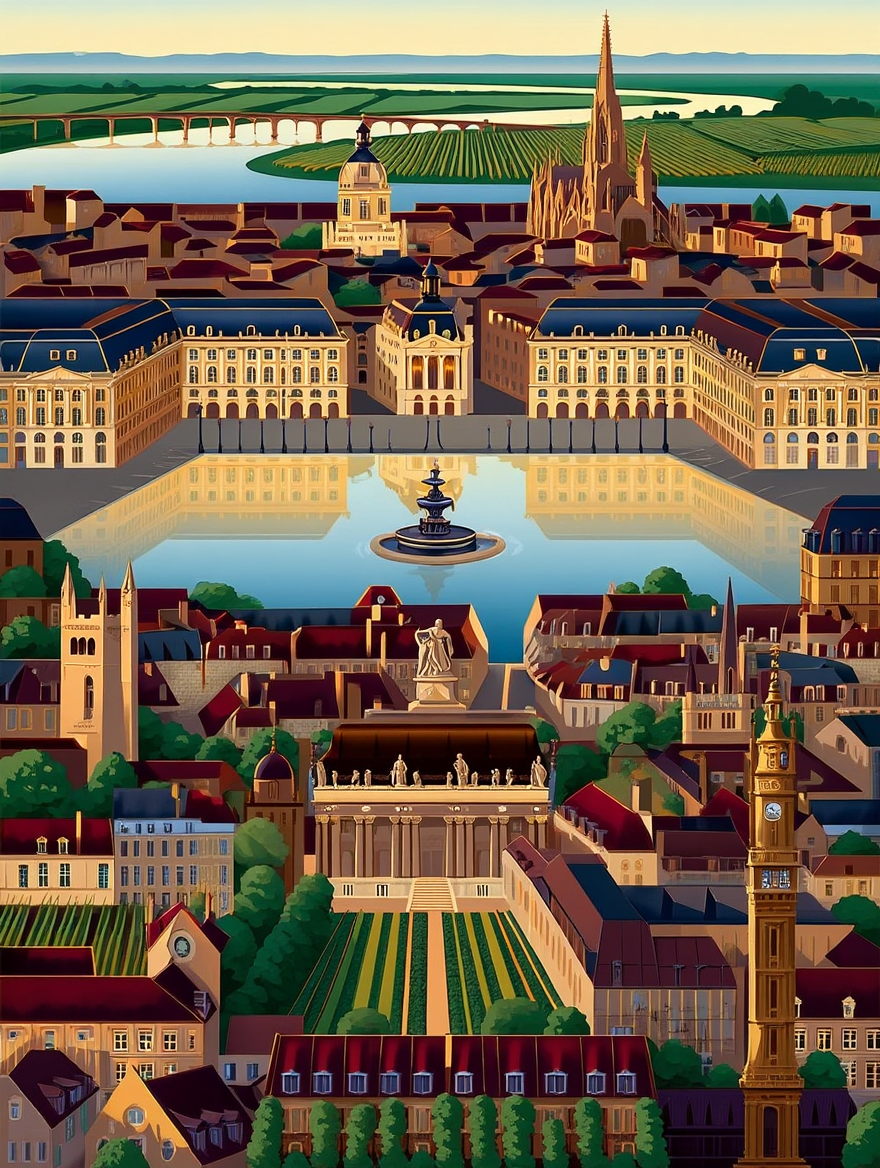
France’s SNCF rail network is among the best in Europe. The TGV offers fast connections between cities like Paris, Lyon, Marseille, and Bordeaux. Regional trains (TER) and buses cover smaller towns and rural areas. For exploring wine regions, the Alps, or coastal villages, renting a car provides flexibility, especially in Provence, Normandy, and the Dordogne. In cities, public transport is efficient, and bicycles are widely used, especially in Paris and Strasbourg.
France is a true year-round destination. Spring (April to June) offers blooming gardens, mild temperatures, and fewer crowds. Summer (July to August) is vibrant but busy, especially along the Riviera and in Paris. Autumn (September to October) is ideal for wine tourism and countryside escapes. Winter (December to February) brings festive markets and alpine skiing. The best time depends on your focus: culture, cuisine, nature, or relaxation.
France uses the Euro (EUR). Credit cards are widely accepted, and ATMs are available in every city and most towns. However, some small shops, markets, and rural establishments may prefer cash. Tipping is not mandatory but appreciated in cafés and restaurants.
French is the official language. While English is spoken in tourist areas and major cities, particularly by younger generations, learning a few key phrases in French—bonjour, s’il vous plaît, merci—is not only polite but opens doors to more authentic interactions. The French appreciate respect for their language and culture.
Paris is not just a capital—it is a concept, a muse. The Eiffel Tower, the Louvre, and Notre-Dame are iconic, but the city’s soul is found in its street corners, bookstalls, and quiet gardens. Walk along the Seine at dusk, linger in a Marais café, or watch life pass from the steps of Montmartre. Whether you’re exploring Haussmannian boulevards or tasting cheese in a tucked-away fromagerie, Paris invites you to slow down and notice detail—the essence of French elegance.
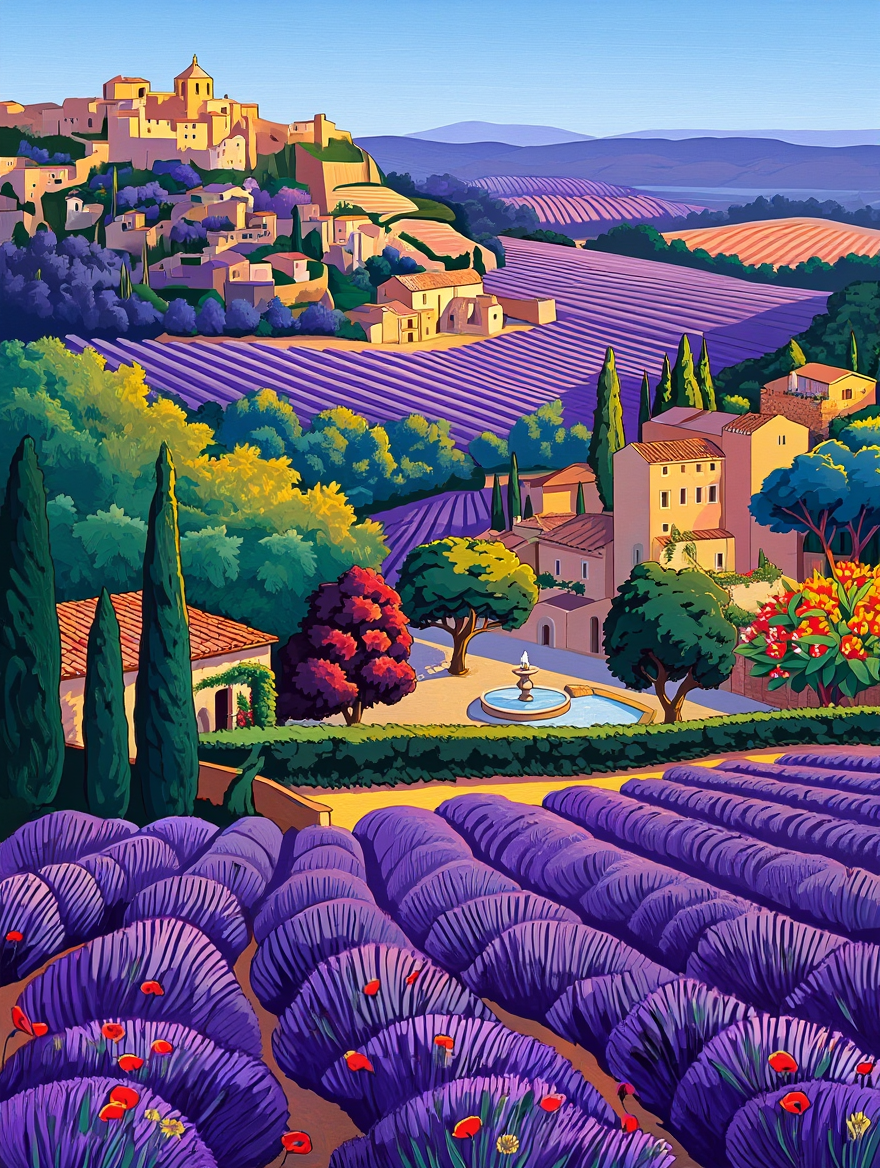
In Provence, light seems to shimmer with its own signature hue. Lavender fields stretch toward stone villages where time moves gently. The markets overflow with figs, olives, and sun-warmed tomatoes. In Avignon, medieval walls echo with Papal history, while Aix-en-Provence sings with fountains and poetry. Provence is for those who travel to feel—through scent, taste, and color.
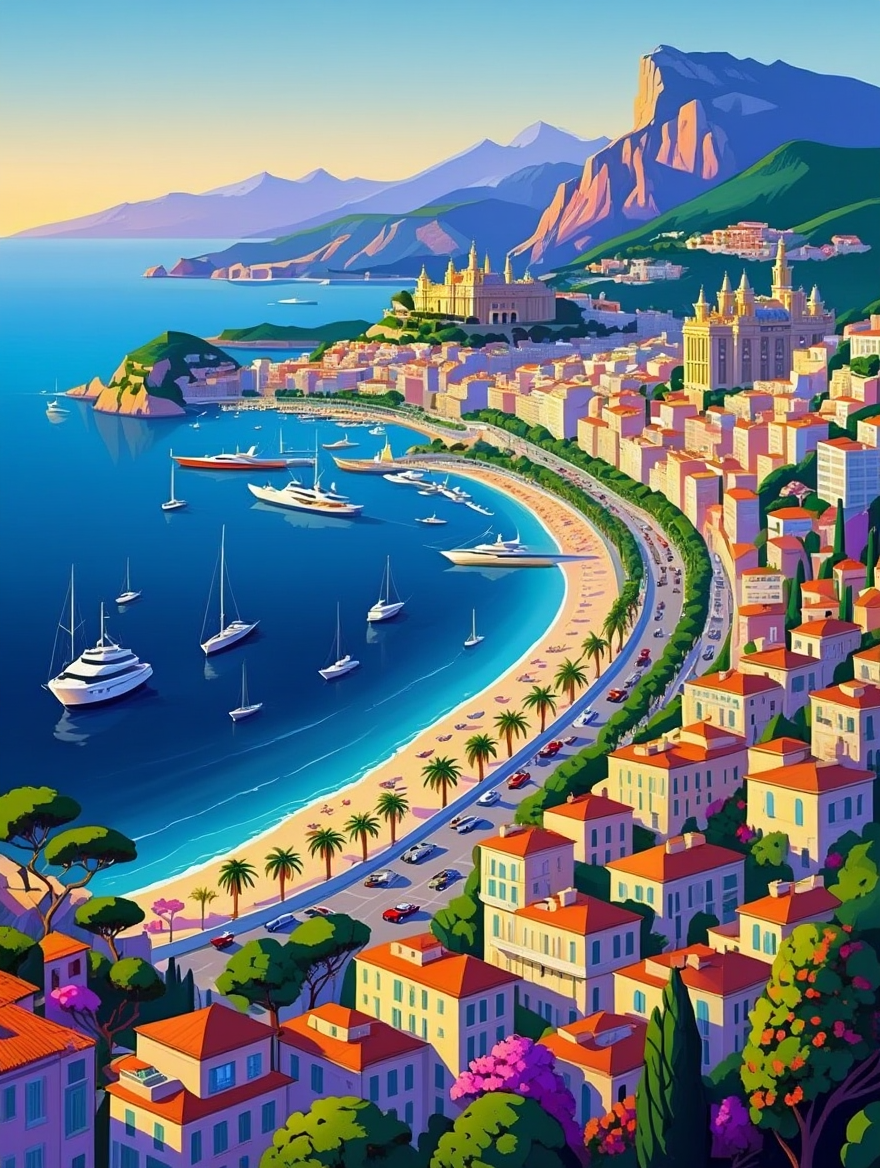
From the turquoise bays of Nice to the cinematic charm of Cannes and the quiet allure of Èze, the Côte d’Azur blends sophistication with natural beauty. But beyond the yachts and festivals, there’s authenticity—old port towns, perfumeries in Grasse, and olive groves clinging to hillsides. The Riviera glows not only with sun, but with style rooted in tradition.
The Loire Valley feels like a fairytale made real. Castles rise from riverbanks—Chenonceau, Chambord, Amboise—each with its own story. Vineyards stretch across gentle hills, producing crisp Sauvignon Blanc and velvety Cabernet Franc. Cycling from village to village, tasting wines in cool cellar caves, and dining under sycamores, the Loire experience is tactile and timeless.
Normandy’s cliffs stand firm above turbulent seas, bearing witness to tides of history. From the haunting D-Day beaches to the spiritual serenity of Mont-Saint-Michel, Normandy is a region of contrasts—of granite and butter, remembrance and renewal. Don’t miss the apple orchards, Camembert farms, and fishing ports where the past and present mingle over a glass of cider.
Whether dusted in snow or blooming with alpine flowers, the French Alps are cinematic and imposing. Chamonix, Annecy, and Grenoble offer access to peaks, lakes, and world-class skiing or hiking. Here, the air feels lighter, the food heartier, and the landscapes uncompromisingly majestic.
In Alsace, timber-framed houses and flower-filled balconies reflect both French charm and Germanic influence. Strasbourg, with its half-timbered Petite France district and the seat of the European Parliament, symbolizes unity in diversity. The region’s white wines—Riesling, Gewürztraminer—are some of the finest in Europe, and its Christmas markets rival any in the world for warmth and magic.
Is France safe for tourists?
Yes. France is generally safe, especially in rural areas and small towns. Urban centers, like all major cities, require standard caution with belongings. Emergency services are fast and reliable.
Do I need a visa to visit France?
France is part of the Schengen Area. Visitors from the EU, UK, US, Canada, Australia, and many other countries can enter visa-free for up to 90 days. Confirm requirements based on your nationality.
What’s the best way to get around France?
High-speed trains (TGV) are excellent for long distances. For countryside and wine regions, a rental car allows access to off-the-path villages. In cities, use metro, tram, or buses—efficient and clean.
Can I drink tap water in France?
Yes. Tap water is safe and high-quality, especially in cities and towns. In rural or mountainous areas, water often comes from fresh springs.
Is France expensive?
France can be moderately to highly priced depending on location. Paris and the Riviera are expensive, while rural areas and smaller towns offer better value. Many cultural sites offer free or reduced admission for EU citizens under 26.
Do people speak English in France?
In major cities and tourist hubs, yes. In rural areas, less so—but locals are often willing to help. Politeness and basic French phrases go a long way.


Subscribe to see secret deals prices drop the moment you sign up!