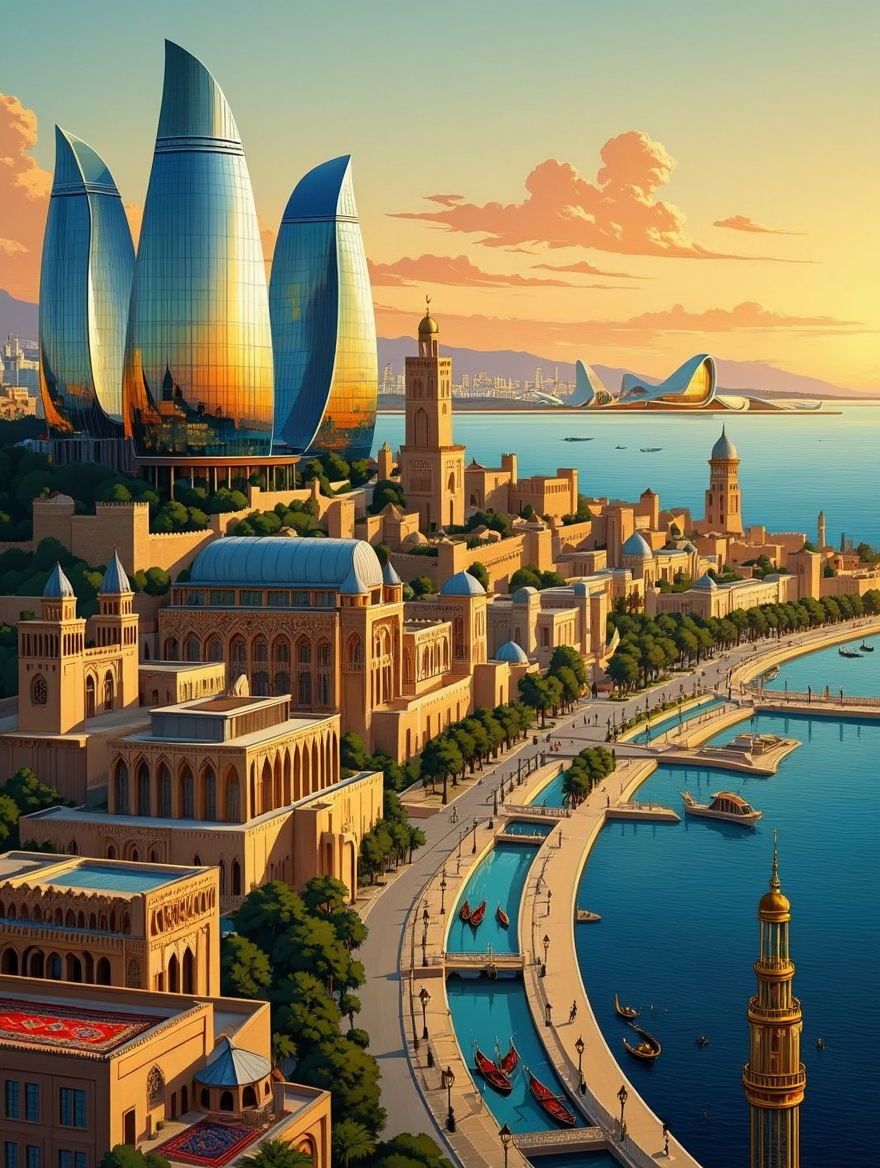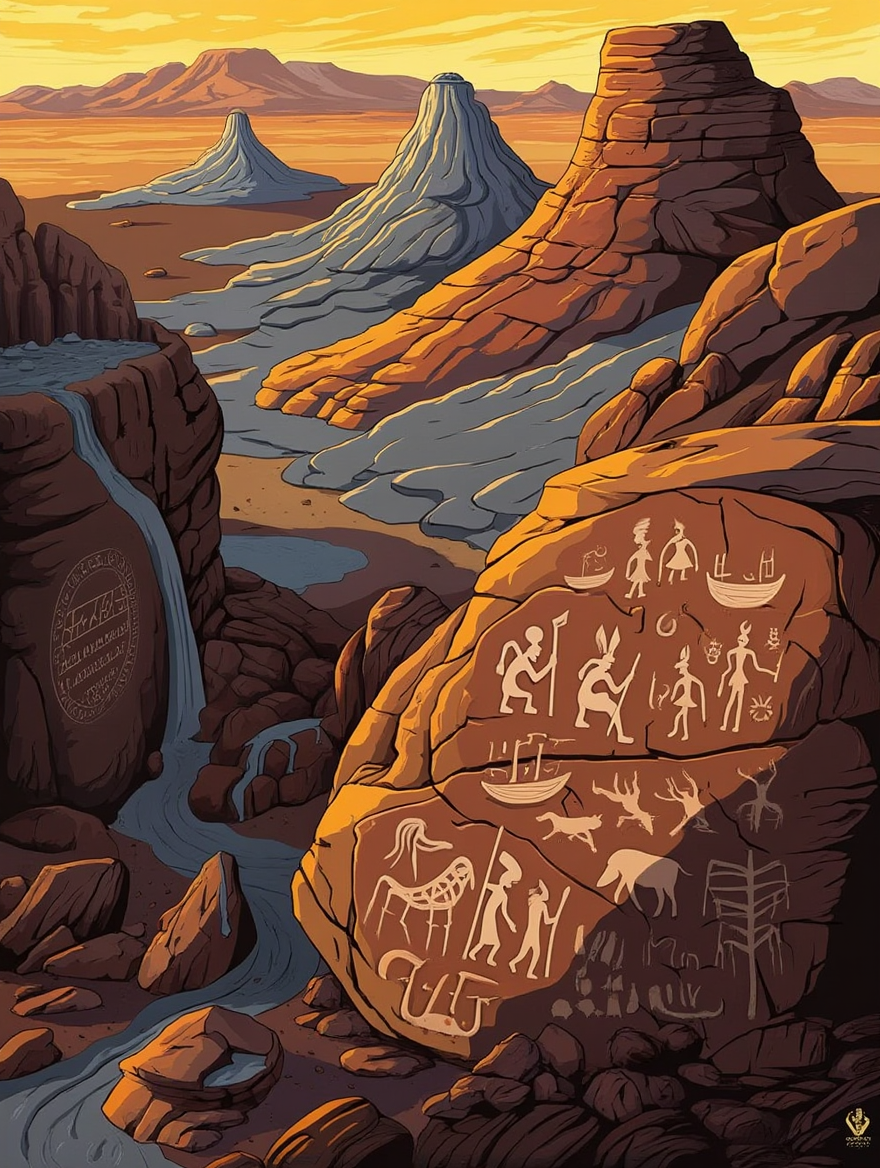

Azerbaijan is a country where ancient Silk Road roots, futuristic cities, and dramatic landscapes blend into one fascinating journey. Located between the Caspian Sea and the Caucasus Mountains, Azerbaijan offers travelers a rare mix of modern design, deep history, and raw natural beauty. From the flame-shaped towers of Baku to mud volcanoes bubbling in the desert, and from remote mountain villages to seaside resorts, this is a land of contrasts and surprises.
As a majority-Muslim, secular state with Turkic, Persian, Russian, and European influences, Azerbaijan is as diverse culturally as it is geographically. The country welcomes visitors with modern infrastructure, a growing tourism scene, and a warmth that combines tradition with contemporary style. Whether you’re into architecture, hiking, food, or cultural immersion, Azerbaijan opens its doors with both elegance and edge.
Azerbaijan’s main international gateway is Heydar Aliyev International Airport (GYD) in Baku, which receives direct flights from Europe, the Middle East, and Central Asia. Travelers from many countries can enter visa-free or with a quick e-visa process. The e-visa system is fast, affordable, and user-friendly—usually approved within 3 days.
Land borders remain closed as of the latest updates, so flying into Baku is currently the most reliable option. Domestic travel between cities like Ganja, Sheki, and Quba is possible via buses, private transfers, or trains.
Azerbaijan is larger than Georgia but still manageable for multi-stop itineraries. The country has a solid road network, and travel between key regions is relatively easy.
Trains run overnight between Baku and Ganja, with newer routes in development.
Marshrutkas and buses connect smaller towns and villages, though schedules may vary.
Private drivers or car rentals with a guide are ideal for exploring the mountains or less-touristy regions.
In Baku, the metro is modern and cheap, and taxis are widely available via Bolt and Uber.
The local currency is the Azerbaijani Manat (AZN). Cash is useful for local shops and rural areas, but cards are widely accepted in cities and tourist zones.
ATMs are easy to find in Baku and other large cities.
Exchange rates are generally better inside Azerbaijan than at home.
Tipping isn’t expected, but it’s appreciated in restaurants and for good service.
The official language is Azerbaijani (Azeri), a Turkic language written in Latin script. Russian is still widely spoken, especially among older generations. English is increasingly common in Baku and major tourist areas, but it’s limited in rural regions.
Learning basic greetings in Azeri is appreciated. Expect menus and signs in both Azeri and Russian, with English versions in most hotels and attractions.
Azerbaijan has diverse climate zones, so the best time depends on your itinerary:
Spring (April–June): Ideal for city visits, hiking in the Caucasus, and exploring Sheki or Lahij.
Summer (July–August): Hot in Baku and the lowlands; better for mountain escapes and the Caspian coast.
Autumn (September–October): Beautiful in wine regions, nature parks, and cultural sites.
Winter (December–March): Snow in the north (great for skiing in Shahdag or Tufandag); mild along the Caspian Sea.
Azerbaijani cuisine is rich, diverse, and influenced by Turkish, Persian, and Central Asian traditions. Meals are full of fresh herbs, slow-cooked meats, and local produce.
Plov (pilaf) is the national dish—saffron rice topped with lamb, chestnuts, or dried fruits.
Dolma, kebabs, and dushbara (tiny meat dumplings in broth) are popular staples.
Bread is sacred—every meal includes fresh tandir bread or lavash.
Black tea is central to social life, served with jam, lemon, or sweets.
Azerbaijani wine is growing in quality and reputation—particularly in Shamakhi and Ismayilli regions.
Azerbaijan is a safe country for travelers, with low crime rates and a strong sense of public security. People are respectful, conservative in dress, but very welcoming.
Modest clothing is appreciated in rural areas and religious sites.
Hospitality is taken seriously—expect tea offers, generous portions, and long meals.
Public displays of affection are rare; keep things respectful in tone and behavior.
Baku, the capital, is a city of contrast and character. Stroll through the UNESCO-listed Old City (Icherisheher) with its stone alleyways, ancient caravanserais, and the iconic Maiden Tower. Then step into modernity with a visit to the Flame Towers, the Heydar Aliyev Center by Zaha Hadid, and the waterfront Baku Boulevard. Don’t miss the Carpet Museum, shaped like a rolled-up rug, and the atmospheric Teze Bazaar.
Just outside Baku lies Gobustan National Park, home to thousands of prehistoric rock carvings dating back 40,000 years. Nearby are the surreal mud volcanoes, a geological phenomenon found in few places on earth—an otherworldly experience unlike anything else in the region.
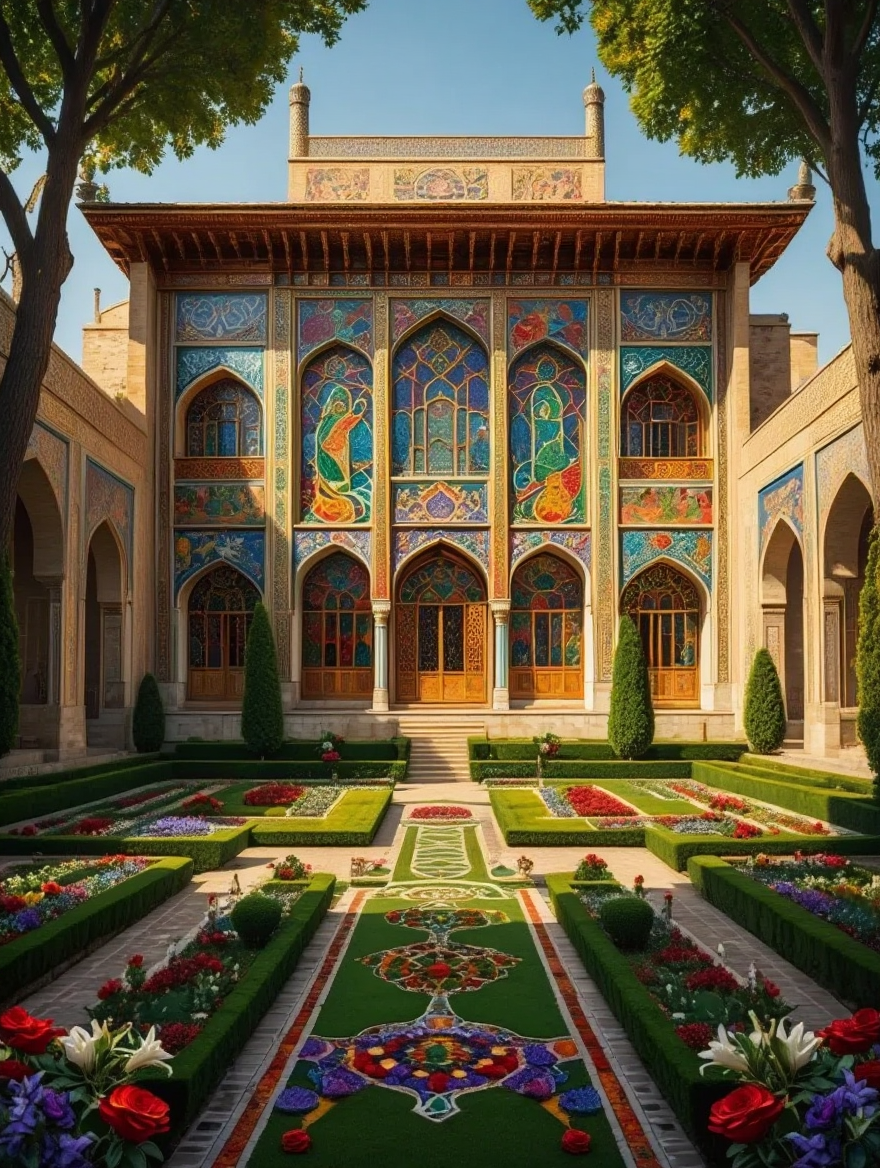
Sheki, a historic trading town in the foothills of the Caucasus, is known for its architecture, artisan culture, and the stunning Sheki Khan’s Palace with stained-glass windows and hand-painted walls. Stay in a traditional caravanserai, explore silk workshops, and try local sweets like Sheki halva.
Head north to Quba and continue to Khinalug, one of the highest and oldest mountain villages in the Caucasus. The drive is breathtaking, and the cultural isolation of this highland village offers a rare glimpse into Azerbaijan’s diverse ethnic heritage.
Azerbaijan’s coast offers summer beaches, wellness retreats, and thermal spa resorts. Naftalan, in particular, is famous for its therapeutic oil baths—a bizarre but fascinating medical tradition. Coastal towns like Lankaran and Nabran offer seaside charm and forest escapes.
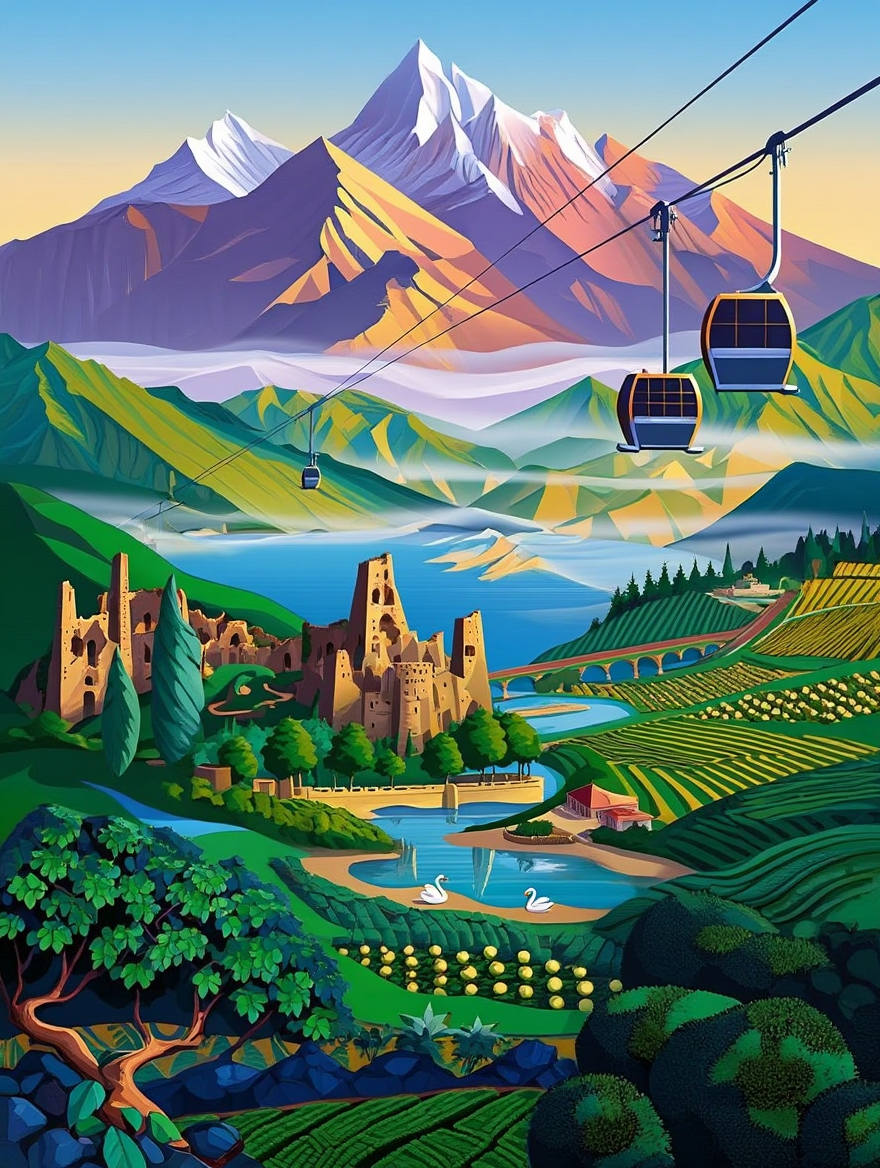
For outdoor lovers, Shahdag and Tufandag are Azerbaijan’s premier mountain resorts. In winter, they offer excellent skiing and snowboarding. In warmer months, they become hubs for hiking, horseback riding, and mountain biking.
Azerbaijan’s Islamic heritage is visible in sites like Shamakhi’s Juma Mosque, Nakhchivan’s Mausoleums, and the Diri Baba tomb carved into a cliff. These offer deep insight into the country’s religious history and architectural traditions.
Is Azerbaijan safe for travelers?
Yes. Azerbaijan is generally very safe, even for solo travelers and women. The country has low crime rates and modern infrastructure, particularly in tourist areas.
Do I need a visa to visit Azerbaijan?
Most nationalities need a visa, but the ASAN e-visa system is fast and easy—apply online, get approval in 1–3 days. Some countries qualify for visa-free entry.
What currency is used?
The Azerbaijani Manat (AZN). Cards are accepted in cities; carry cash in villages.
Is English spoken?
English is spoken in Baku and tourist areas, but not widely in the countryside. Russian is a useful backup language.
When is the best time to visit?
Spring and autumn are ideal. Summer is great for the mountains and coast. Winter is best for ski trips and cultural travel without crowds.
Can I drink tap water?
It’s safer to drink bottled or filtered water, especially outside Baku.
How many days do I need?
For a highlights trip: 5–7 days. For deeper exploration, 10–14 days allows time for Baku, Sheki, Quba, and the Caspian Coast.
Is Azerbaijan expensive?
It’s very affordable by European standards. Street food, transportation, and even boutique hotels offer good value.


Subscribe to see secret deals prices drop the moment you sign up!