
Austria is a land where alpine peaks meet imperial palaces, where the silence of snow-covered valleys echoes the harmonies of Mozart and Schubert, and where each city, village, and forest seems touched by elegance and order. This heart of Europe is more than a picturesque destination—it’s a deeply cultural, profoundly atmospheric experience.
From the baroque beauty of Vienna to the storybook charm of Hallstatt, Austria is a country of deep contrasts and harmonious coexistence. It is both refined and wild—home to opulent opera houses and rugged mountain trails, lavish Christmas markets and quiet lakeside chapels. In winter, the slopes come alive with skiers gliding through powdery silence, while summer reveals green pastures, mirrorlike lakes, and fragrant forests that invite slow, thoughtful travel.
Austria does not shout. It whispers—through the rustling of vineyard leaves, the lilting tone of a Viennese waltz, or the distant sound of cowbells in the Tyrolean Alps. Travelers who embrace this gentleness discover more than just a destination—they find a lifestyle rooted in beauty, rhythm, and a deep respect for both heritage and nature.
Austria is a country that speaks to the soul—through music, landscape, cuisine, and a sense of serenity that feels both modern and timeless. Whether you’re gliding through Vienna’s cultural currents or standing breathless at the edge of a glacier, Austria reveals itself slowly, thoughtfully, and always beautifully.
With Viewpoint Horizons as your compass, you’re invited not just to visit Austria, but to immerse yourself in a place where elegance and nature live side by side in quiet harmony.
Austria is remarkably well-connected by air, rail, and road. Vienna International Airport (VIE) is the main international gateway, serving direct flights from across Europe, Asia, and the Americas. Salzburg and Innsbruck also have airports catering to regional and seasonal flights. Thanks to its central location in Europe, Austria is easily reached by train from neighboring countries like Germany, Italy, Hungary, and Switzerland via the efficient ÖBB (Austrian Federal Railways) network.
Austria’s public transportation system is a model of efficiency. Trains connect major cities and scenic regions, with punctuality and comfort as standard. In cities like Vienna, Salzburg, and Graz, trams and metros make navigation simple and affordable. For those venturing into the Alps or countryside, renting a car offers flexibility—but be prepared for mountain driving, especially in winter. Cyclists will also find well-marked bike paths winding through much of the country’s landscapes.
Austria welcomes travelers year-round, each season offering its own distinctive magic. Winter (December to March) is ski season in the Alps, with world-class resorts in Tyrol, Vorarlberg, and Salzburg. Spring (April to June) brings blooming meadows and cultural festivals, while summer (July to August) is ideal for lake swimming, alpine hikes, and music events. Autumn (September to November) is quieter, golden with vineyards and forests, and perfect for food and wine lovers seeking authenticity without crowds.
Austria uses the Euro (EUR). Credit cards are widely accepted in urban areas and tourist destinations, but some rural inns and small vendors may prefer cash. ATMs are readily available, and contactless payments are common.
German is the official language, spoken with a soft Austrian accent that reflects the country’s melodic personality. English is widely spoken, especially in cities, resorts, and among younger Austrians. Nonetheless, learning a few German phrases such as Guten Tag (Good day) or Danke schön (Thank you) adds warmth to interactions and is always appreciated.
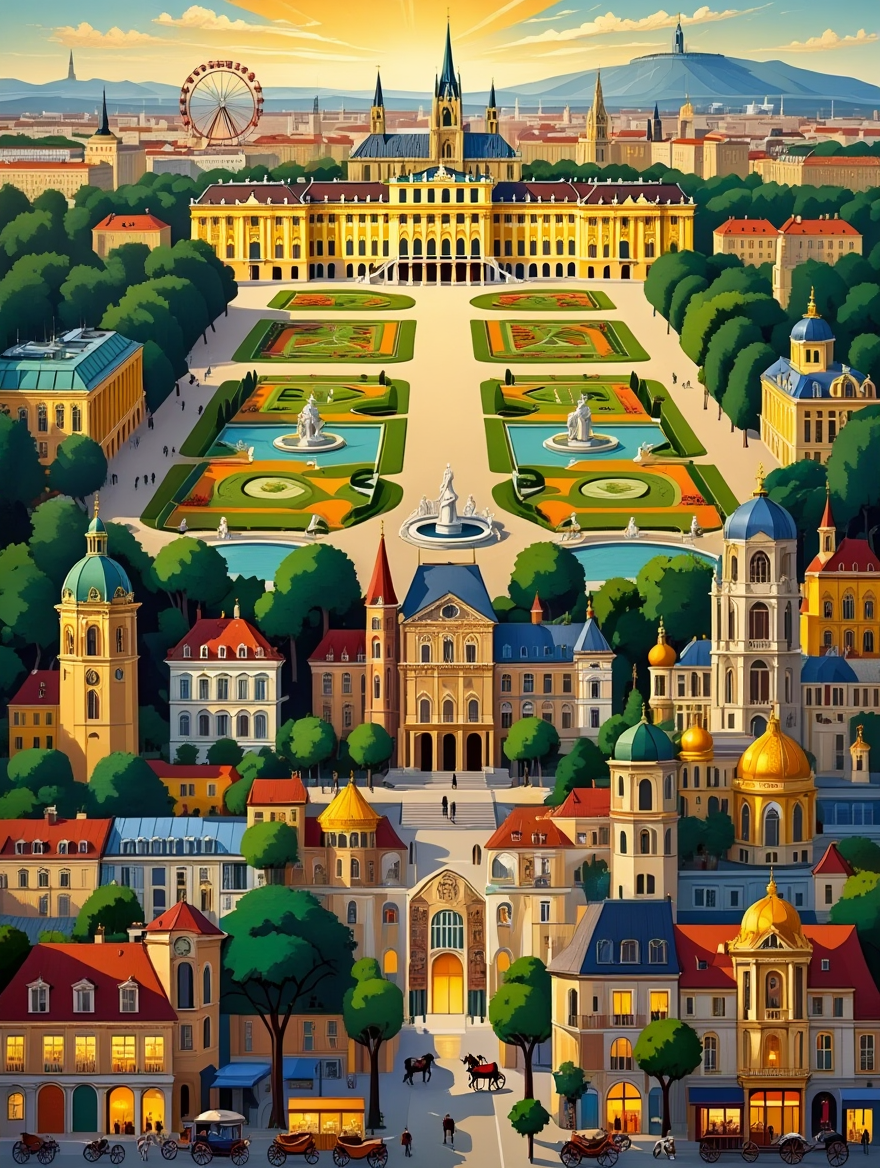
Vienna is not merely a city—it’s a cultural institution. As the former seat of the Habsburg Empire, it retains an air of imperial dignity, from the sprawling Schönbrunn Palace to the ornate State Opera House. The Ringstrasse encircles a treasure trove of museums, cathedrals, and historic cafés where time seems to slow. At twilight, the Danube glistens with golden light, and music—always music—fills the air. In Vienna, even silence feels orchestrated.
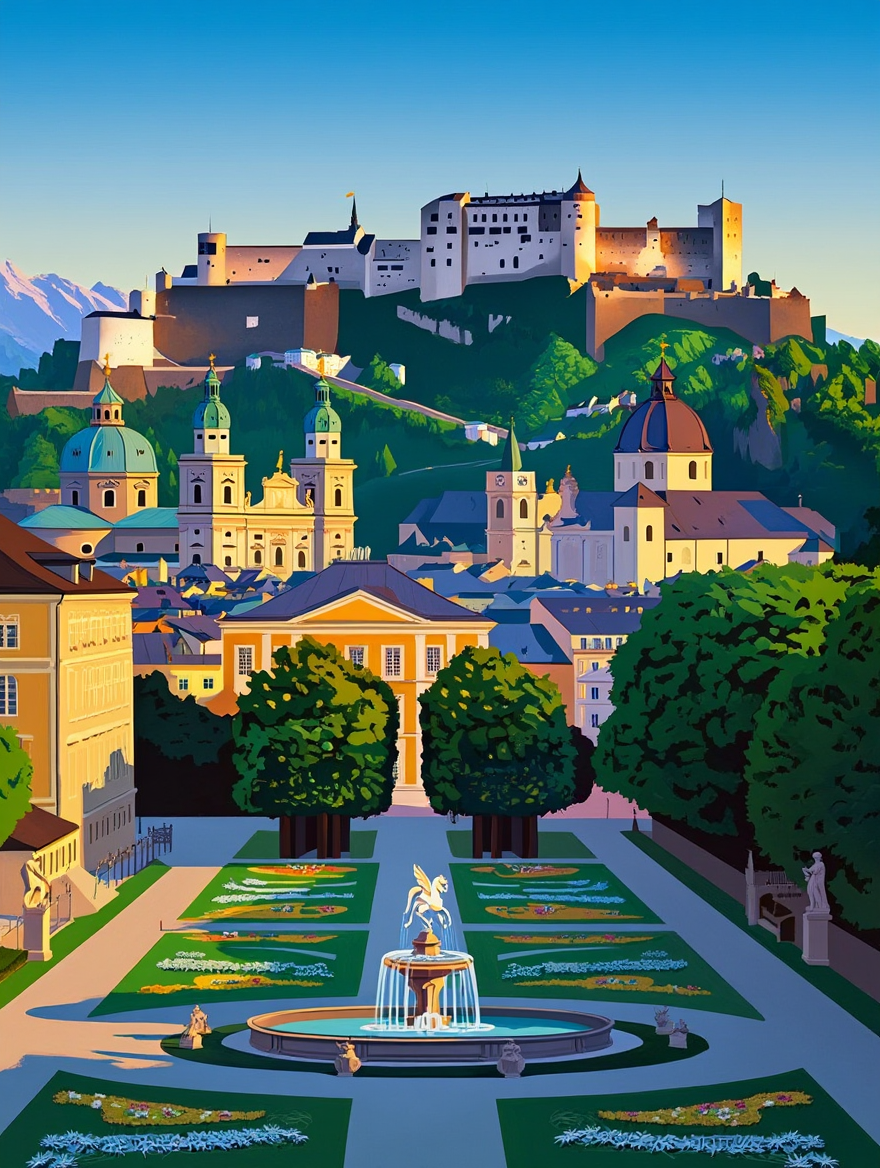
Nestled between cliffs and the Salzach River, Salzburg is a place of perfect proportion and lyrical atmosphere. Mozart was born here, and his spirit lingers in the symphony of baroque towers and hidden courtyards. The fortress of Hohensalzburg watches from above, while below, the city blossoms with charm, especially in summer during the Salzburg Festival. Wander its cobbled lanes, and you’ll find beauty in every direction—often accompanied by the faint echo of a piano.
The Austrian Alps are not just for skiers. Though winter sports reign from St. Anton to Kitzbühel, summer unveils another world—green slopes, clear lakes, and trails that stretch across wildflower meadows and ridgelines. Hikers, bikers, and paragliders find paradise here, as do those simply seeking stillness. In Tyrol, Vorarlberg, and Carinthia, nature is both drama and retreat—an escape into a landscape that remains elegantly untamed.
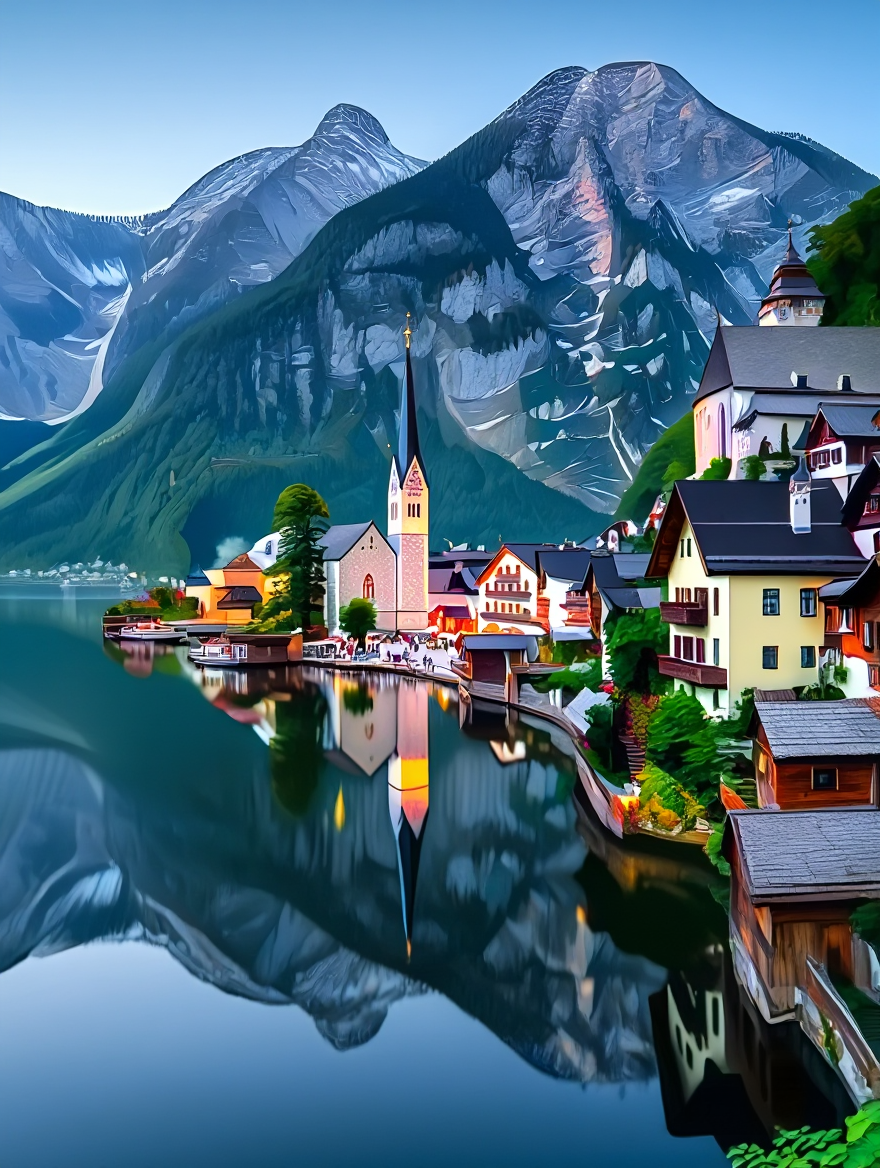
Hallstatt is so perfect, it’s often mistaken for a painting. This lakeside village with its timber-framed houses and swan-filled waters seems suspended in time. Yet beyond the photogenic façade, the Salzkammergut region offers depth—salt mines that tell ancient stories, forests laced with myth, and serene lakes ideal for slow travel. Whether rowing across Lake Wolfgang or sipping wine on a lakeside terrace, this is Austria at its most tranquil.
Just an hour from Vienna lies the Wachau Valley, where the Danube weaves through terraced vineyards, medieval villages, and baroque abbeys. This is Austria’s wine country—delicate, dry Grüner Veltliner and Riesling flourish here. Visit the Benedictine abbey of Melk, cycle along the riverbank, or cruise through the valley’s soft green hills. In autumn, the landscape glows amber and gold—a fitting backdrop for the harvest season.
Graz, Austria’s second-largest city, is a blend of Renaissance courtyards, futuristic architecture, and a Mediterranean flair unique in Austria. It is also a gastronomic gem—surrounded by fertile farmland, pumpkin seed oil presses, and vineyards. The Styrian countryside, less visited than the Alps, offers quiet roads, thermal spas, and a slower rhythm. This is Austria for connoisseurs—for those who travel by taste and texture.
Is Austria safe for tourists?
Yes. Austria is one of the safest countries in Europe, with a low crime rate and excellent public health infrastructure. Its cities and countryside are both extremely secure for solo travelers, families, and seniors.
Do I need a visa to visit Austria?
Citizens of the EU, Schengen countries, the UK, US, Canada, and many others can enter visa-free for up to 90 days. Travelers from other nations should consult official Austrian immigration guidelines.
Can I use public transport to visit small towns and rural areas?
In most cases, yes. Trains and buses connect even small villages, although remote mountain regions may require a car or guided transfer. Austria’s transport system is one of Europe’s best in terms of reliability and reach.
Is Austria expensive?
Austria falls into the mid-to-high range in terms of European travel costs. Cities like Vienna and Salzburg can be pricey, but rural stays, alpine guesthouses, and local eateries often offer excellent value for quality.
What’s the best time to visit Austria?
For winter sports, visit between December and March. For hiking, festivals, and wine tourism, May to October is ideal. Christmas markets in late November and December offer a magical urban experience with festive lights and traditions.
Can I drink tap water in Austria?
Absolutely. Austria boasts some of the cleanest drinking water in Europe, often sourced directly from alpine springs. Bring a reusable bottle and fill up freely.

Subscribe to see secret deals prices drop the moment you sign up!