
Armenia is a land of stone monasteries, dramatic mountainscapes, ancient legends, and enduring spirit. Tucked between Europe and Asia in the South Caucasus, this small but mighty country offers travelers a deeply personal journey through one of the world’s oldest civilizations. It’s the first country to adopt Christianity, the birthplace of unique cultural traditions, and a land where history feels alive in every valley, church, and conversation.
From the lively cafés of Yerevan to the mystical silence of Tatev Monastery, Armenia moves at a different rhythm. It invites you not to rush, but to feel—to stand under thousand-year-old arches, taste wine made from vines older than Rome, and listen to duduk music echoing across mountain passes. Whether you come for spiritual heritage, hiking, cuisine, or cultural connection, Armenia offers raw beauty, honest hospitality, and a depth that leaves a mark on every traveler.
The primary gateway is Zvartnots International Airport (EVN) near Yerevan, with regular flights from Europe, the Middle East, and parts of Asia. Overland border crossings are open with Georgia and Iran, though borders with Turkey and Azerbaijan remain closed due to ongoing political issues.
Citizens of the EU, UK, USA, UAE, and many other countries can enter visa-free or obtain an e-visa quickly online. Entry is smooth, and customs procedures are generally friendly and efficient.
Armenia’s compact size makes it perfect for overland travel. Though small, the terrain is mountainous, so travel times can be slower than distances suggest.
Yerevan is the transport hub with metro, buses, and taxis (use Yandex Go or GG Taxi apps).
Marshrutkas (shared minibuses) connect most towns and villages affordably but without fixed timetables.
Private drivers or guided tours are ideal for rural and remote areas like Tatev, Noravank, or Lake Sevan.
Car rentals are available in Yerevan, though rural roads may be rough or unmarked.
Armenia uses the Armenian Dram (AMD). Cash is preferred outside major cities, but cards are accepted in Yerevan and tourist hotels.
ATMs are widely available and reliable.
Currency exchange offices offer fair rates.
Tipping is appreciated—typically 10% in restaurants and for guides or drivers.
The official language is Armenian, with its own beautiful, ancient alphabet. Russian is widely spoken, especially by older generations, and English is increasingly common in Yerevan and among young people.
In rural areas, learning a few Armenian phrases helps and is warmly received.
Signs and menus in Yerevan are often trilingual (Armenian, Russian, English).
Armenia has a continental climate with hot summers, cold winters, and mild shoulder seasons.
Spring (April–June): Ideal for sightseeing, hiking, and cultural travel.
Summer (July–August): Hot in Yerevan and lowlands, cooler in mountains—great for trekking.
Autumn (September–October): Grape harvest, golden landscapes, and pleasant temperatures.
Winter (December–March): Best for snow travel and skiing in Tsaghkadzor or Jermuk.
Armenian cuisine is rich in flavor, history, and hospitality. Meals are a celebration of seasonal ingredients, herbs, grains, and meats.
Must-try dishes: Khorovats (barbecue), dolma, harissa (slow-cooked wheat and meat), lavash, and khash.
Armenian apricots, cheese, pickles, and herb salads are fresh and flavorful.
Local wines and brandy (especially Ararat Brandy) are legendary.
Meals are slow and generous—don’t be surprised if you’re invited to someone’s home.
Armenia is very safe for travelers, including solo women.
Hospitality is sincere—expect to be offered food, tea, or even a place to stay.
Churches are sacred spaces; dress modestly and speak quietly.
Avoid sensitive political topics (especially Nagorno-Karabakh) unless invited to discuss.
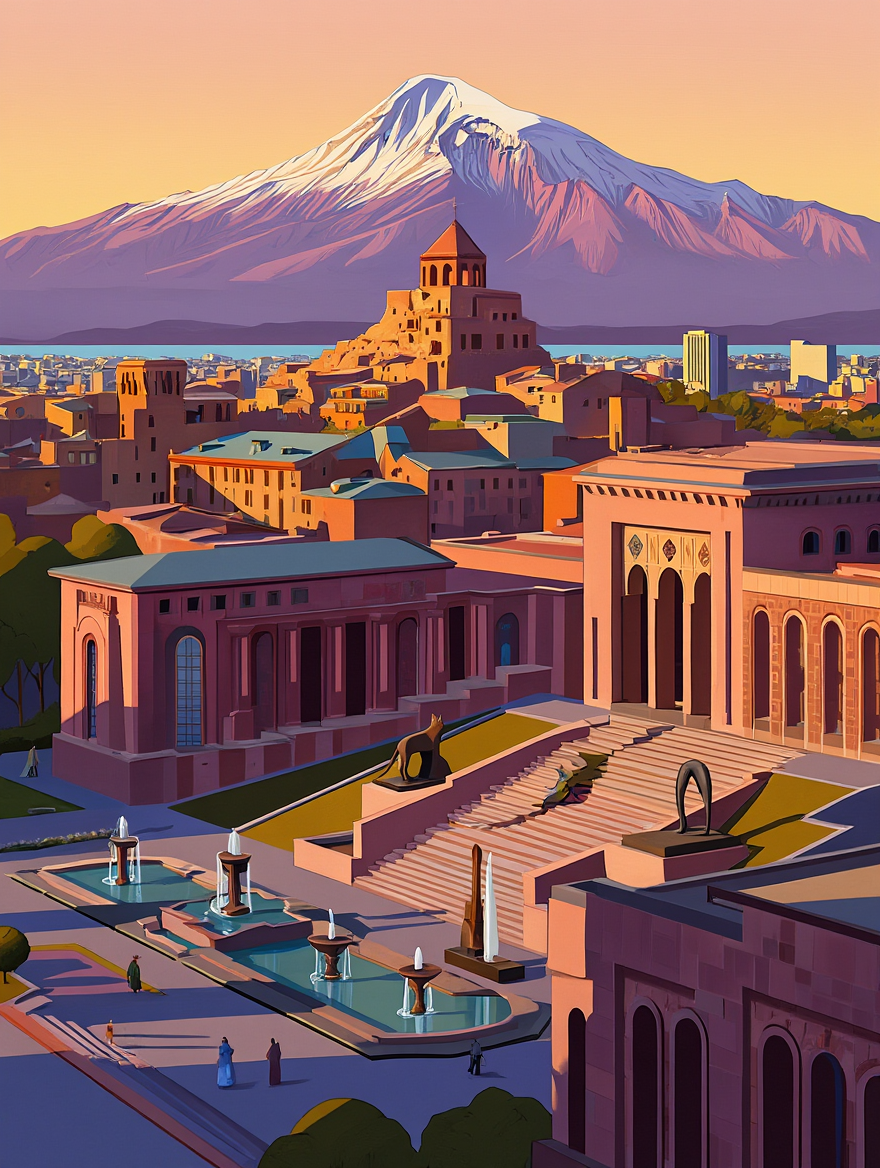
Armenia’s capital is one of the oldest cities in the world but feels young and energetic. Visit Republic Square, the Cascades, and Vernissage market for art and antiques. Don’t miss the History Museum of Armenia and Genocide Memorial for context and reflection. Cafés, jazz bars, and wine cellars keep the city lively well into the night.
A UNESCO World Heritage Site, Geghard is carved partly into a mountain and radiates spiritual stillness. Nearby Garni is the only Greco-Roman temple in the Caucasus, standing dramatically above a gorge with basalt column cliffs known as the “Symphony of Stones.”
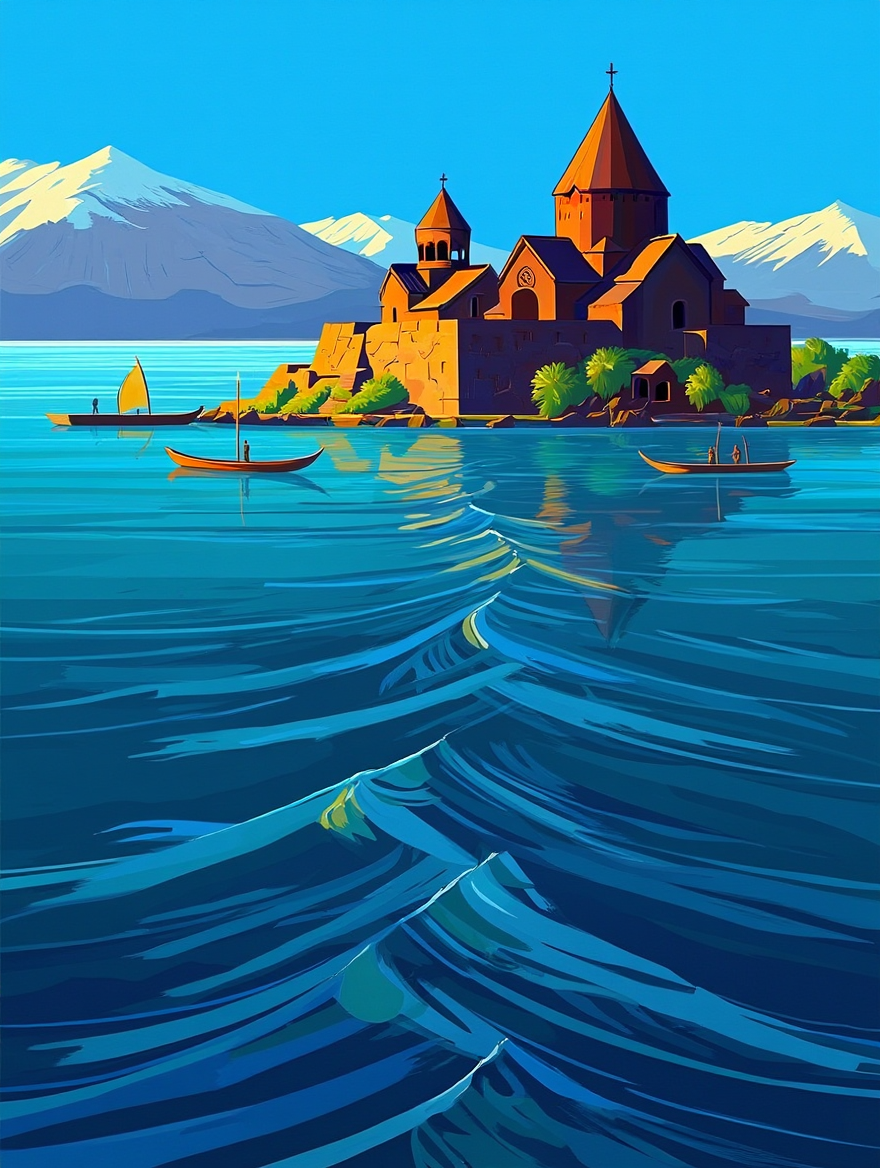
Called the “jewel of Armenia,” Lake Sevan offers beaches, monasteries, fresh fish, and cool breezes. In summer, it’s perfect for swimming or lakeside picnics. Visit Sevanavank Monastery for sunrise views over the water.
Ride the world’s longest reversible cable car—Wings of Tatev—to reach this cliffside monastery above a deep gorge. The journey and the view are just as stunning as the 9th-century monastery itself.
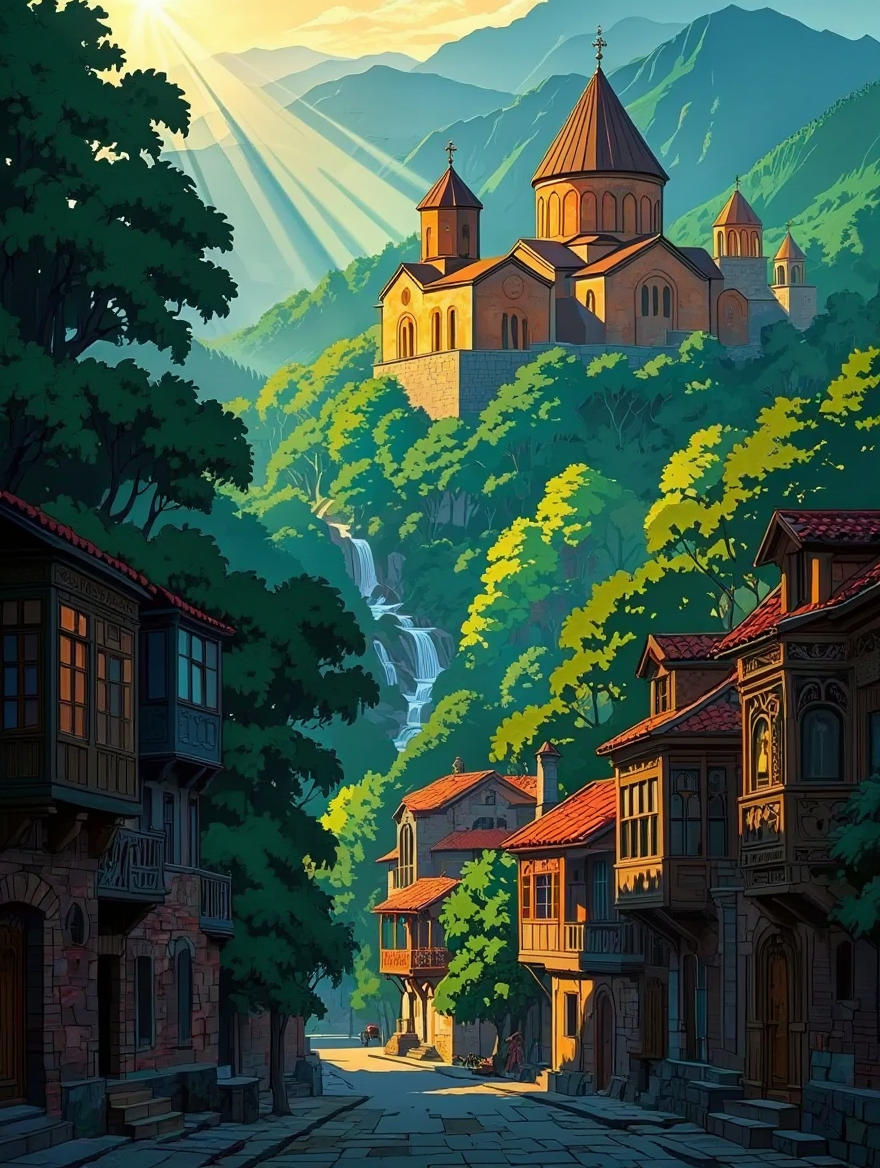
Often called “Armenia’s Switzerland,” Dilijan is a forested region filled with trails, lakes, and monasteries like Haghartsin and Goshavank. The old town has artist studios, cobblestone streets, and traditional homes.
Visit Areni, home to the world’s oldest known winemaking facility (6,000 years old) and today one of Armenia’s top wine regions. Taste deep reds and unique grape varieties with views over red cliffs and Noravank Monastery.
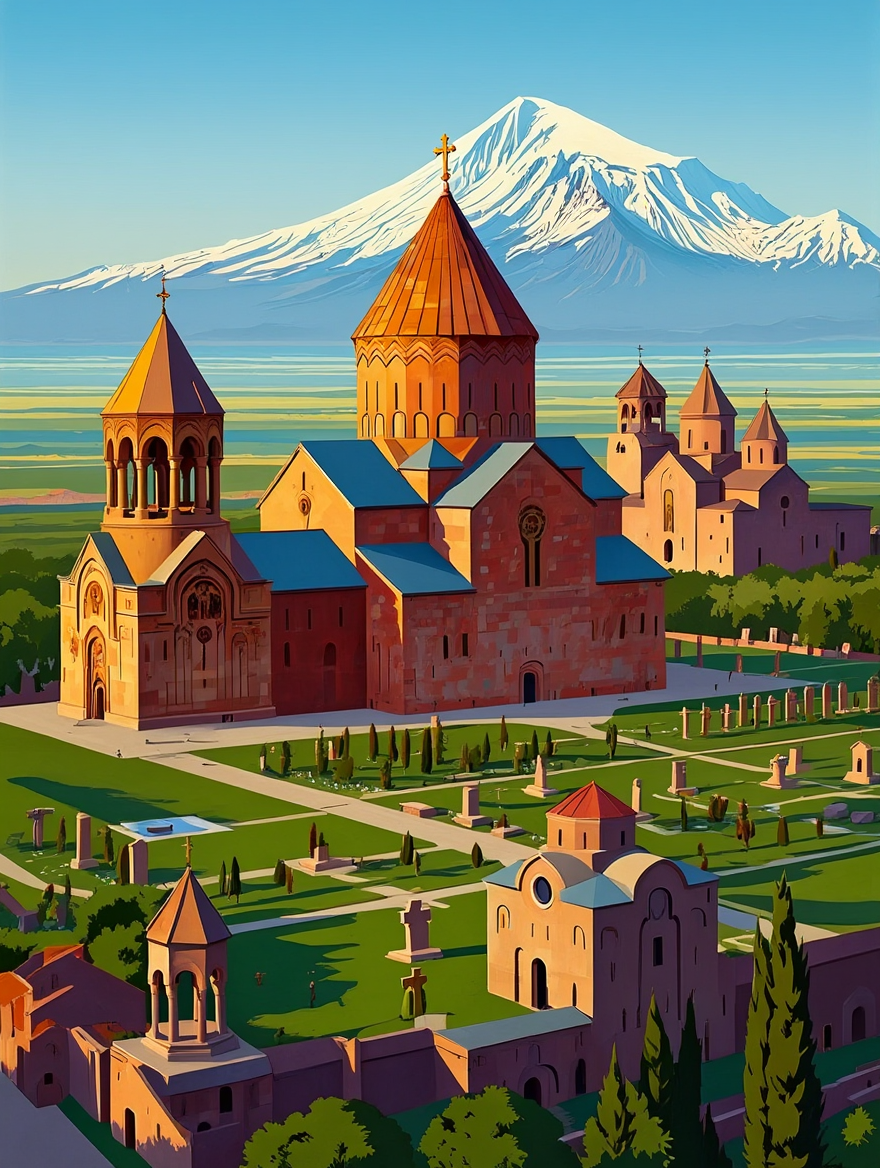
Etchmiadzin Cathedral is the spiritual heart of Armenian Christianity and one of the oldest churches in the world. Nearby Zvartnots, though in ruins, offers hauntingly beautiful views of Mount Ararat.
Is Armenia safe for tourists?
Yes, Armenia is very safe with low crime and a welcoming attitude toward foreigners.
Do I need a visa to visit Armenia?
Many nationalities enjoy visa-free access for up to 180 days. Others can apply easily online for an e-visa.
Is English spoken in Armenia?
In Yerevan, yes. In rural areas, Russian is more common. English is growing, especially among younger people.
What is the currency in Armenia?
The Armenian Dram (AMD). Credit cards are accepted in cities; cash is better in villages.
What’s the best time to visit?
Spring and autumn for travel and culture, summer for hiking and nature, winter for skiing.
Can I drink tap water in Armenia?
Yes. Armenia’s water is clean and natural—often sourced directly from mountain springs.
How many days should I spend in Armenia?
For a highlights trip: 3–6 days. For deeper travel including hiking and remote monasteries: 1–2 weeks.
Is Armenia expensive?
No. Armenia is affordable for most travelers, with great value on food, accommodation, and transport.


Subscribe to see secret deals prices drop the moment you sign up!